Causes of German Measles
The causes of German measles lie in the rubella virus — a contagious RNA virus that spreads through respiratory droplets and primarily affects the nose, throat, and lymph nodes. German measles, also known as rubella, is considered one of the most preventable childhood infections thanks to the availability of effective vaccines. However, it remains a risk in areas where immunisation coverage is low or inconsistent.
Understanding how rubella spreads and what factors contribute to infection helps individuals and public health professionals take appropriate action to prevent outbreaks and reduce complications, especially for pregnant women and vulnerable populations.
The Rubella Virus
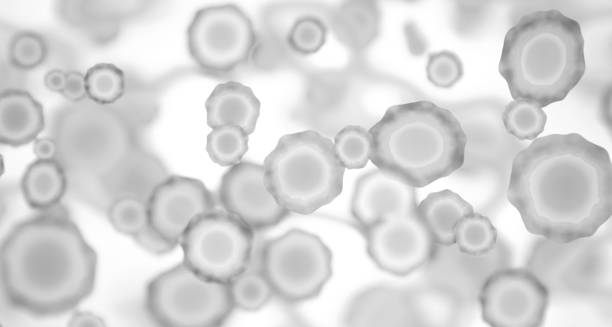
Rubella is caused by the rubella virus, a member of the Togaviridae family, under the genus Rubivirus. It is a single-stranded RNA virus that primarily targets epithelial cells in the upper respiratory tract. After initial replication, the virus enters the bloodstream and spreads throughout the body in a process called viraemia.
This systemic spread allows the virus to reach:
Lymphatic tissue
Skin and mucous membranes
Developing foetuses (via the placenta during pregnancy)
The virus is highly contagious during the early stages of infection, even before symptoms become apparent.
Transmission Pathways
The rubella virus is spread from person to person through:
Coughing or sneezing
Close conversation or breathing shared air
Touching contaminated surfaces, then touching the mouth or nose
Vertical transmission from mother to baby during pregnancy
In general, people with rubella are contagious from about 7 days before the rash appears until 7 days after. During this window, they can transmit the virus even if they don’t feel unwell or show visible symptoms.
Incubation and Infectious Period
After a person is exposed to the virus, there is typically an incubation period of 14 to 21 days. During this time, the virus replicates and spreads internally without any symptoms.
A person becomes infectious about 7 days before symptoms emerge, particularly the rash, and may continue to shed the virus for a week afterward. Infants born with congenital rubella syndrome (CRS) can shed the virus in their urine or respiratory secretions for up to one year, making them a long-term source of infection if not carefully managed.
Contributing Risk Factors
While anyone who hasn’t been vaccinated or previously infected can contract rubella, some risk factors make transmission more likely or consequences more severe:
1. Lack of Immunisation
Individuals who have not received the MMR vaccine or who missed childhood vaccinations are at greatest risk
In many parts of Africa, including some regions of South Africa, rubella is not yet part of the public EPI, making vaccination status uneven
2. High Population Density
Schools, universities, refugee camps, or overcrowded homes facilitate rapid spread
Close contact in shared environments increases exposure to respiratory droplets
3. Travel and Migration
Travellers from areas with low vaccination coverage may introduce rubella into communities with waning immunity
Migrants or displaced populations may miss key childhood vaccinations
4. Pregnancy Without Immunity
Women who are pregnant and not immune to rubella face the highest personal risk, as the infection can cause foetal malformations
Prenatal screening is crucial to identify susceptibility before conception or early in pregnancy
Congenital Rubella Transmission
In pregnant individuals, the rubella virus can cross the placenta and infect the foetus. The earlier in pregnancy the infection occurs, the greater the chance of serious birth defects.
Congenital rubella syndrome (CRS) is caused by:
Direct viral damage to developing foetal organs
Inflammation and reduced blood supply to foetal tissues
Persistent infection that disrupts normal growth
CRS remains one of the most serious consequences of rubella transmission and is entirely preventable through preconception screening and vaccination.
Natural Immunity and Reinfection
Once someone has had rubella, their body usually develops lifelong immunity. Reinfection is extremely rare, although mild reinfections have been documented, usually without significant symptoms.
Immunity may come from:
Natural infection
MMR vaccination, which offers long-lasting protection
Serology tests can check for rubella-specific IgG antibodies, which indicate immunity. This is especially useful for:
Women planning pregnancy
Healthcare workers
Teachers and childcare providers
Community and Global Spread
Rubella tends to spread quietly because:
Many cases are asymptomatic or very mild
The contagious period begins before symptoms appear
Individuals may not realise they are infected and continue their normal activities
Global eradication efforts have made significant progress, but outbreaks still occur. The World Health Organization recommends maintaining vaccine coverage above 95% to prevent resurgence. In South Africa, there are ongoing discussions about incorporating rubella vaccination into the public programme to close existing gaps.
Causes of German Measles
Understanding the causes of German measles allows public health systems to build better vaccination strategies, inform at-risk populations, and prevent the devastating effects of congenital infection.