Causes of Glandular Fever
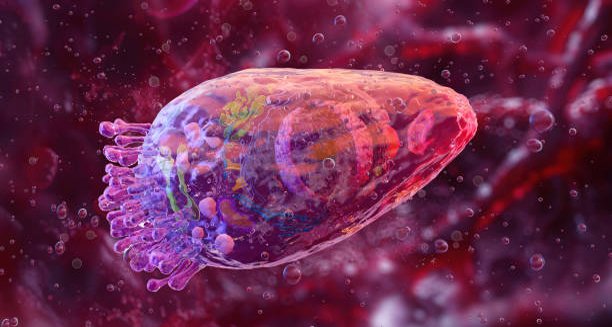
The causes of glandular fever are viral in nature, with the Epstein-Barr virus (EBV) responsible for around 90% of cases. Glandular fever is not caused by poor hygiene, bacteria, or food poisoning—rather, it results from close personal contact that allows saliva containing EBV to pass from one person to another.
EBV is a member of the herpesvirus family and is one of the most common human viruses. It is estimated that more than 90% of adults worldwide have been infected with EBV by the age of 40, often without ever realising it. The virus usually lies dormant after initial infection and does not cause repeated illness in healthy individuals.
Epstein-Barr Virus (EBV)
The Epstein-Barr virus was first identified in 1964 and is now recognised as the primary cause of infectious mononucleosis (glandular fever). EBV infects B lymphocytes, a type of white blood cell involved in the immune response.
The virus causes an immune reaction that results in:
Swelling of lymph nodes
Inflammation of the throat and tonsils
Increase in abnormal lymphocytes (atypical mononucleated cells)
A surge of fatigue due to the immune system’s heightened activity
Once the virus enters the body, it replicates in the throat and salivary glands before spreading through the bloodstream. The immune response to EBV, rather than the virus itself, causes most of the symptoms associated with glandular fever.
How EBV Is Transmitted
The virus is spread primarily through saliva, but can also be found in:
Mucus from the nose and throat
Tears
Blood and, in rare cases, semen
The most common modes of transmission include:
Kissing
Sharing drinks, utensils, lip balm, or cigarettes
Exposure to droplets from coughing or sneezing
Using contaminated objects, such as toothbrushes
Because EBV is so widespread, exposure is common. However, not everyone who contracts the virus develops glandular fever. In early childhood, EBV infections often pass unnoticed or with only mild flu-like symptoms.
Why Some People Get Glandular Fever
Not everyone exposed to EBV develops glandular fever. The likelihood of developing symptoms depends on:
Age at the time of infection
Children under 5 rarely develop classic symptoms
Teenagers and young adults are most likely to experience full-blown glandular fever
Immune system response
A robust immune reaction is what causes the fatigue and lymph node swelling typical of the illness
Genetic predisposition
Some evidence suggests genetic factors may influence the body’s response to EBV
Those infected with EBV during adolescence or early adulthood are most likely to develop symptoms, while those infected in early childhood often remain asymptomatic.
Other Causes of Glandular Fever-Like Illness
Although EBV is the leading cause of glandular fever, other viruses can cause a similar illness, including:
Cytomegalovirus (CMV)
Toxoplasma gondii (a parasite, not a virus)
HIV (acute seroconversion illness)
Hepatitis viruses
Adenoviruses
In these cases, the illness is usually less severe, and blood tests help differentiate the underlying cause.
Risk Factors
Several factors may increase the risk of contracting EBV and developing glandular fever:
Living in close quarters, such as dormitories or military barracks
Sharing drinks or personal items
Kissing multiple partners, particularly among teenagers
Weakened immune system, due to illness or medication
While these behaviours increase exposure, many people who carry EBV never fall ill, as the immune system usually keeps the virus in check.
Can EBV Reactivate?
Once a person contracts EBV, the virus remains dormant in their body for life. In rare cases, it may reactivate, particularly in individuals with:
Immunodeficiency, such as in advanced HIV or post-organ transplantation
Chronic stress or severe illness
Certain autoimmune diseases
Reactivation is uncommon in healthy people and usually does not cause symptoms. However, EBV reactivation has been loosely associated with conditions like:
Chronic fatigue syndrome
Multiple sclerosis (MS)
Certain lymphomas
It is important to note that research is ongoing, and direct causation has not been firmly established.
Summary of Main Causes
| Cause | Role in Glandular Fever |
| Epstein-Barr virus (EBV) | Primary cause (90% of cases) |
| Cytomegalovirus (CMV) | EBV-negative glandular fever-like illness |
| Toxoplasma, hepatitis, HIV | Less common, mimic symptoms |
| Saliva exchange | Main mode of EBV transmission |
| Age (15–25) | Highest risk of symptomatic infection |
Conclusion | Causes of Glandular Fever
The causes of glandular fever are well understood, with the Epstein-Barr virus playing the central role. Transmission occurs primarily through saliva, making the condition particularly common among teenagers and young adults. Understanding how the virus works, who is at risk, and how it spreads helps to prevent infection and allows for early recognition of symptoms.