Diagnosis of Group B Strep
Doctors diagnose Group B Streptococcus (GBS) using several clinical and laboratory methods, depending on whether they’re checking for harmless colonisation or an active infection. In pregnant women, routine screening identifies colonisation. In newborns and adults, rapid testing of blood, urine, or spinal fluid helps doctors confirm infection quickly and begin treatment.
Even though GBS is a common bacterium, doctors must clearly tell the difference between normal colonisation and serious infection. In high-risk groups—like newborns, pregnant women, and adults with weakened immune systems—early and accurate diagnosis can help prevent complications and save lives.
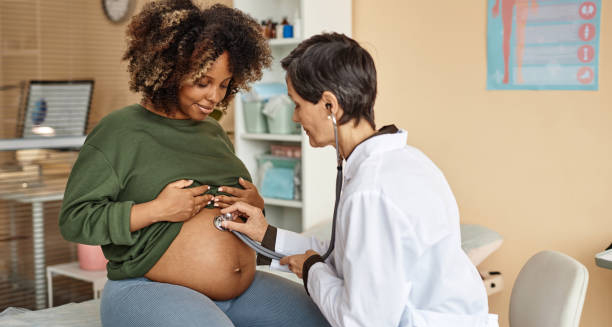
1. Diagnosis in Pregnant Women (Screening for Colonisation)
Doctors usually screen pregnant women for GBS between 35 and 37 weeks of pregnancy. The steps include:
- Taking vaginal and rectal swabs
- Sending the swabs to a lab to grow the bacteria in a special culture medium
- Getting results within 24 to 48 hours
A positive result shows colonisation, not infection. In this case, doctors give antibiotics during labour to protect the baby from infection during birth.
In some countries, doctors use a risk-based approach instead of routine screening. They give antibiotics during labour if any of these apply:
- GBS appears in the mother’s urine during pregnancy
- A previous baby had GBS disease
- The mother develops a fever during labour
- Labour starts before 37 weeks
2. Diagnosis in Newborns
When a newborn shows signs of GBS infection, time is critical. Doctors perform several tests to confirm the diagnosis:
a. Blood Cultures
- Doctors collect blood and test it for bacteria
- This is the most reliable test for sepsis
- Results usually take 24 to 48 hours
b. Cerebrospinal Fluid (CSF) Testing
- If doctors suspect meningitis, they perform a lumbar puncture
- They test the spinal fluid for bacteria, white blood cells, and sugar levels
- These results help confirm brain or spinal infection
c. Chest X-Ray
- Doctors use this if they think the baby has pneumonia
- It shows any infection or fluid in the lungs
d. Complete Blood Count (CBC) and CRP
- These blood tests check for signs of inflammation
- While not specific to GBS, they help support the diagnosis
Since infections in newborns can progress quickly, doctors usually start treatment before results are ready, especially if symptoms are severe.
3. Diagnosis in Adults
When adults show signs of GBS infection, doctors choose tests based on symptoms and the part of the body affected:
a. Urine Culture
- Used if a urinary tract infection is suspected
- Doctors collect a midstream urine sample and test it for GBS
- A positive result helps guide treatment
b. Blood Cultures
- Done when doctors suspect sepsis or a widespread infection
- A positive result confirms GBS in the bloodstream
c. Wound or Tissue Cultures
- Doctors take samples from infected wounds, ulcers, or surgical sites
- The lab checks for GBS and helps identify the right antibiotics
d. Joint Fluid or Bone Testing
- In cases of joint or bone infections, doctors collect fluid or tissue for testing
- This helps diagnose serious conditions like osteomyelitis or septic arthritis
e. Chest Imaging
- Doctors order a chest X-ray or CT scan to check for lung infections
- These tests show signs of pneumonia or other respiratory problems
Doctors combine these tests with a physical exam and patient history to make a clear diagnosis.