Guillain-Barré Syndrome
Guillain-Barré Syndrome is a rare but serious neurological disorder in which the body’s immune system mistakenly attacks the peripheral nerves. Typically triggered by a preceding infection, Guillain-Barré Syndrome causes weakness, tingling, and, in severe cases, paralysis. Although frightening, most people recover fully or significantly with proper medical care and rehabilitation.
This autoimmune condition can progress rapidly, often over the course of hours or days. Early symptoms usually begin in the feet and legs before spreading upwards to the arms and upper body. Guillain-Barré Syndrome requires urgent medical attention, as respiratory muscles may be affected, requiring intensive care support. Despite its severity, early diagnosis and supportive treatment have dramatically improved outcomes.
Overview of Guillain-Barré Syndrome
Guillain-Barré Syndrome (GBS) affects the peripheral nervous system — the network of nerves outside the brain and spinal cord. It primarily targets:
Motor nerves, which control muscle movement
Sensory nerves, which transmit sensations like pain and temperature
Autonomic nerves, which regulate involuntary body functions like heart rate and blood pressure
The hallmark of GBS is a rapid onset of muscle weakness, often accompanied by abnormal sensations (paraesthesia) such as tingling or pins and needles. In some cases, weakness may progress to total paralysis within days.
Epidemiology
Incidence: 1 to 2 cases per 100,000 people per year globally
Age group: Can occur at any age but more common in adults and slightly more prevalent in men
Geographical distribution: Occurs worldwide, with no racial or regional exclusivity
Seasonal variation: Some evidence links higher incidence to winter or post-viral outbreaks
Although rare, Guillain-Barré Syndrome is one of the most common causes of acute flaccid paralysis in developed countries.
Types of Guillain-Barré Syndrome
There are several subtypes of GBS, which vary in symptoms and severity:
1. Acute Inflammatory Demyelinating Polyradiculoneuropathy (AIDP)
Most common form in Europe and North America
Caused by immune damage to the myelin sheath, the protective covering of nerves
Leads to progressive weakness and sensory changes
2. Acute Motor Axonal Neuropathy (AMAN)
More prevalent in East Asia and Latin America
Targets motor nerves only, without sensory involvement
Associated with rapid onset and severe paralysis
3. Acute Motor-Sensory Axonal Neuropathy (AMSAN)
Affects both motor and sensory axons
Often causes more severe symptoms and longer recovery
4. Miller Fisher Syndrome (MFS)
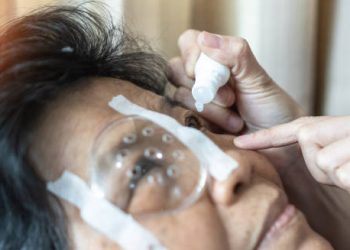
Rare variant with eye muscle paralysis, loss of reflexes, and unsteadiness
Usually presents with minimal limb weakness
Often associated with a specific antibody (anti-GQ1b)
Each subtype presents differently, but all are considered part of the Guillain-Barré Syndrome spectrum.
Clinical Progression
GBS typically progresses through three main phases:
1. Acute Phase (0–4 weeks)
Rapid onset of symptoms, including weakness, numbness, and reflex loss
Peak disability reached by the end of this phase
2. Plateau Phase (1–4 weeks)
Symptoms stabilise
No further deterioration but no improvement either
3. Recovery Phase (6 months to 2 years)
Gradual return of strength and function
Often begins from the head and moves downward, in contrast to initial symptom spread
Most people experience significant recovery, although some may have lasting weakness or fatigue.
Key Warning Signs
Early recognition of Guillain-Barré Syndrome is critical. Key warning signs include:
Tingling or numbness in the feet and hands
Progressive muscle weakness, especially in the legs
Loss of reflexes
Difficulty walking or climbing stairs
Facial weakness or drooping
Difficulty breathing or swallowing
Irregular heart rate or blood pressure
Any rapidly evolving weakness or abnormal sensation warrants urgent medical evaluation.
Potential Triggers
Guillain-Barré Syndrome is often preceded by:
Respiratory or gastrointestinal infections
Vaccinations (rarely and not causally linked)
Surgery or trauma
Zika virus, Campylobacter jejuni, Cytomegalovirus, or Epstein-Barr virus
In some cases, no clear trigger is identified.
Impact on Daily Life
During the acute phase, many patients require:
Hospitalisation
Mechanical ventilation if breathing muscles are affected
Feeding assistance if swallowing is impaired
Mobility aids, including wheelchairs or walkers
The recovery phase involves intense rehabilitation, and some people experience long-term effects such as:
Fatigue
Pain
Nerve sensitivity
Mild residual weakness
With comprehensive treatment, however, most individuals return to independent living.
Conclusion | Guillain-Barré Syndrome
Guillain-Barré Syndrome is a rare but treatable autoimmune disorder affecting the peripheral nerves. While it can lead to rapid and life-threatening paralysis, most patients recover fully with timely intervention and rehabilitation. Raising awareness about the signs and symptoms of Guillain-Barré Syndrome can lead to earlier diagnosis and better outcomes for those affected.