Diagnosis of Gum Disease
The diagnosis of gum disease relies on a combination of clinical evaluation, dental history, and imaging techniques. Since the early signs are often painless and easily missed, regular dental check-ups play a vital role in the timely diagnosis of gum disease, allowing for early treatment and prevention of further complications.
Gum disease can be silent in its early stages, which is why many people are unaware they have it. Dentists use systematic assessments to identify inflammation, attachment loss, and bone damage — all crucial in evaluating how far the disease has progressed.
Clinical Examination
The first step in diagnosing gum disease is a detailed oral examination, during which the dentist or hygienist will:
Assess the colour and contour of the gums
Check for swelling, bleeding, or tenderness
Look for recession of gum tissue
Identify calculus (tartar) and plaque build-up
These visible signs offer early clues to inflammation and infection.
Periodontal Probing
One of the most important diagnostic tools is the periodontal probe, a calibrated instrument used to measure the depth of the space between the tooth and surrounding gum tissue (sulcus or pocket).
A healthy sulcus measures 1–3 mm deep
Deeper pockets (4 mm or more) may indicate periodontitis
Bleeding on probing suggests active inflammation
Measurements are taken in six places around each tooth
The findings are documented in a periodontal chart, providing a baseline for tracking disease progression or treatment success.
X-rays (Radiographs)
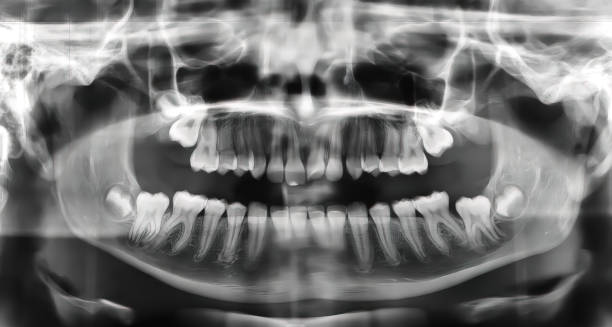
Dental X-rays help evaluate the extent of bone loss — a hallmark of periodontitis.
Horizontal bone loss appears as an even reduction along the jawbone
Vertical bone loss indicates more localised or advanced destruction
X-rays also reveal tooth root abnormalities, impacted tartar, and hidden decay
Bitewing and periapical radiographs are commonly used in periodontal assessments.
Medical and Dental History
Your dentist will review:
Previous dental issues such as frequent bleeding or loose teeth
Oral hygiene habits, including brushing and flossing routines
Lifestyle factors, such as smoking, diet, and stress
Medical history, particularly conditions like diabetes, which increases susceptibility
Understanding these factors helps determine both risk and likely disease progression.
Bacterial Testing and Biomarkers (Optional)
In more complex or advanced cases, especially where traditional treatment has failed, additional tests may be ordered:
Microbial DNA testing to identify aggressive bacteria
Salivary biomarker testing for inflammatory markers (e.g. MMP-8)
Genetic testing for predisposition to gum disease
These tools are typically used in specialised or research-based settings and are not required for standard diagnosis.
Classification of Severity
The current classification of gum disease, as defined by the 2017 World Workshop on the Classification of Periodontal and Peri-Implant Diseases, considers:
Stage (I–IV) based on severity, bone loss, and tooth loss
Grade (A–C) based on the rate of progression and risk factors
This helps clinicians:
Design an appropriate treatment plan
Communicate the prognosis to the patient
Monitor for recurrence or deterioration
Diagnosing Gum Disease in Children and Adolescents
Though less common, gum disease can occur in younger individuals, particularly those with:
Poor oral hygiene
Orthodontic appliances (braces)
Underlying systemic conditions (e.g. leukaemia, diabetes)
Paediatric diagnosis follows similar principles but may also involve coordination with medical specialists.
Differentiating from Other Conditions
The diagnosis of gum disease must be distinguished from:
Acute necrotising ulcerative gingivitis (ANUG) – presents with severe pain, odour, and ulcers
Desquamative gingivitis – associated with autoimmune diseases like lichen planus
Drug-induced gingival overgrowth – caused by medications like phenytoin or calcium channel blockers
Hormonal gingivitis – related to puberty, menstruation, or pregnancy
Each condition requires unique management and may necessitate referral to a specialist.
Importance of Early Diagnosis
Early and accurate diagnosis leads to:
Better treatment outcomes
Prevention of tooth loss
Reduced risk of systemic complications like cardiovascular disease
Less invasive and more cost-effective care
Even in the absence of pain, bleeding gums or tartar build-up should never be ignored.
Conclusion | Diagnosis of Gum Disease
The diagnosis of gum disease begins with a careful dental exam. First, the dentist looks for signs like red, swollen, or bleeding gums. Next, they use a special tool to gently measure the space between the teeth and gums. This helps show how much the gums have pulled away from the teeth. In addition, X-rays may be taken to check for bone loss around the teeth.
Together, these steps help the dentist find gum disease early—often before symptoms become serious. Once a diagnosis is made, the dentist can suggest the best treatment plan.
At the same time, understanding how gum disease is diagnosed helps patients stay involved in their care. When patients know what to expect, they can take their oral health more seriously and work closely with their dental team.
With regular check-ups, daily brushing and flossing, and timely treatment, gum disease doesn’t have to get worse. In fact, with early action, it can often be stopped or even reversed.