Causes of Gynaecomastia
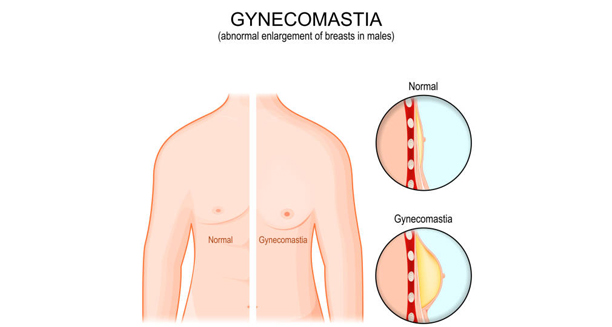
The causes of gynaecomastia are rooted in a hormonal imbalance, typically involving an increase in oestrogen or a decrease in testosterone. Although it may seem alarming, the causes of gynaecomastia are often benign and treatable, especially when identified early. Gynaecomastia, the enlargement of breast tissue in males, can affect newborns, adolescents, and adults, and can arise from a range of natural, medical, or environmental factors.
Understanding what causes gynaecomastia is key to diagnosing and treating it properly. The condition happens when hormone levels—especially the balance between estrogen and testosterone—change. These changes may be due to natural aging, certain medications, or underlying health problems. In some cases, lifestyle factors or substance use can also play a role.
Importantly, gynaecomastia is not the same as extra fat in the chest, which is called pseudogynaecomastia. However, both conditions can look similar, and sometimes the causes overlap. That’s why it’s important for doctors to look at the whole picture—including hormone levels, medical history, and overall health—when making a diagnosis.
By identifying the root cause, healthcare providers can offer the most effective and personalised care.
1. Hormonal Imbalance
The human body requires a delicate balance between oestrogen and testosterone. Men naturally produce oestrogen in small amounts, but when the balance tips in favour of oestrogen, breast tissue can develop.
Common reasons for hormonal imbalance include:
Puberty: Hormonal fluctuations during adolescence are the most frequent cause. Up to 70% of boys experience temporary gynaecomastia, which usually resolves within 6–24 months.
Ageing: As men age, testosterone levels decline and fat tissue increases. Fat can convert testosterone into oestrogen via an enzyme called aromatase, leading to breast tissue growth.
Obesity: Being overweight raises oestrogen levels and contributes to both true gynaecomastia and pseudogynaecomastia.
In most cases, the hormonal imbalance is transient and not linked to serious health issues. However, persistent or painful enlargement should always be evaluated.
2. Medications
Several medications are known to alter hormone levels or mimic oestrogen, which can lead to breast tissue growth in men. These include:
a. Anti-androgens
Used to treat prostate cancer, enlarged prostate, and some skin conditions, drugs like:
Flutamide
Spironolactone
Finasteride
can block testosterone and increase the relative impact of oestrogen.
b. Antipsychotics and Antidepressants
Drugs such as risperidone, haloperidol, and tricyclic antidepressants may raise prolactin levels, which can stimulate breast tissue growth.
c. Cardiovascular drugs
Calcium channel blockers, digoxin, and ACE inhibitors have been implicated in some cases, though the mechanism is not always clear.
d. Chemotherapy
Cancer treatments can disrupt hormone regulation, especially when used in combination with hormone-blocking drugs.
e. Ulcer and acid-reflux medications
Cimetidine and ranitidine (now less commonly used) have weak oestrogenic effects and can contribute to gynaecomastia with long-term use.
Always inform your healthcare provider about all medications and supplements, as switching drugs may help reverse the symptoms.
3. Substance Use
Certain substances, legal and illicit, are associated with hormone disruption and breast enlargement:
Alcohol: Chronic use affects liver function, reducing the liver’s ability to clear oestrogen from the body.
Cannabis: Studies have linked long-term use to reduced testosterone levels and possible oestrogenic effects.
Anabolic steroids: Bodybuilders and athletes who use synthetic testosterone may develop gynaecomastia during the “off-cycle” period, when natural testosterone drops but oestrogen levels remain elevated.
Heroin and amphetamines: These may suppress testosterone production through central nervous system effects.
Avoiding or discontinuing these substances often leads to improvement, although long-standing gynaecomastia may persist without surgical intervention.
4. Health Conditions
Several medical conditions can disturb hormonal balance, leading to breast tissue development in males:
a. Liver disease
Chronic liver disorders, including cirrhosis, impair oestrogen breakdown and increase its levels in the bloodstream.
Conditions such as non-alcoholic fatty liver disease also contribute indirectly via obesity.
b. Kidney failure
Long-term dialysis can cause hormonal shifts, particularly with reduced testosterone production and elevated prolactin.
c. Hyperthyroidism
An overactive thyroid gland increases sex hormone-binding globulin (SHBG), which binds testosterone and leaves more unbound oestrogen active in the body.
d. Pituitary tumours
Some tumours produce excess prolactin, a hormone that stimulates breast tissue development in both sexes.
e. Hypogonadism
Primary testicular failure, whether genetic (e.g., Klinefelter syndrome) or acquired, results in reduced testosterone and higher oestrogen effects.
Damage from mumps, injury, or radiation can also lead to low testosterone and subsequent gynaecomastia.
In all cases, treating the underlying health issue is crucial for resolving the breast enlargement and preventing recurrence.
5. Tumours and Hormone-Secreting Growths
Although rare, tumours that secrete hormones may directly increase oestrogen or decrease testosterone:
Testicular tumours (e.g., Sertoli or Leydig cell tumours)
Adrenal gland tumours
HCG-producing tumours (commonly seen in lung, liver, or stomach cancers)
These require urgent assessment and imaging studies. A testicular ultrasound or abdominal scan may be ordered if a mass is suspected.
6. Herbal Products and Supplements
Some plant-based products contain phytoestrogens, compounds that mimic oestrogen in the body. Common examples include:
Tea tree oil and lavender oil (topical use has been linked to breast growth in boys)
Soy-based products (usually in high, concentrated amounts)
Herbal supplements, such as those used for body enhancement or testosterone boosting, may contain undeclared hormone-active ingredients
The risk is higher when products are used frequently or over long periods.
7. Idiopathic Gynaecomastia
In some cases, no clear cause is found — this is termed idiopathic gynaecomastia. While frustrating, this form is often harmless and may stabilise or regress over time. Nonetheless, ongoing monitoring and exclusion of serious causes are essential, especially in adult males or post-pubertal boys with persistent symptoms.
Conclusion | Causes of Gynaecomastia
The causes of gynaecomastia come from many different sources. Often, it begins with natural changes in hormone levels—especially during puberty or older age. However, other factors can also play a role. For example, certain medications, such as those for high blood pressure or ulcers, may lead to breast tissue growth. In addition, long-term health problems like liver or kidney disease can affect hormone balance. Substance use, including alcohol, anabolic steroids, or marijuana, can also increase the risk.
Fortunately, in most cases, gynaecomastia goes away once the underlying cause is treated. This is why early diagnosis is so important. The sooner the issue is found, the easier it is to reverse the changes.
By understanding what causes gynaecomastia, both patients and doctors can take the right steps. Together, they can create a safe and personalised treatment plan. As a result, many people not only feel better physically but also regain their confidence.