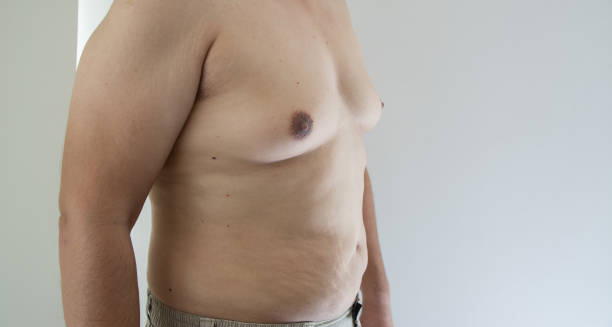
Gynaecomastia
Gynaecomastia is the benign enlargement of breast tissue in males, often resulting in physical changes that can be emotionally distressing. While gynaecomastia is not usually harmful to physical health, it can lead to psychological discomfort, body image concerns, and social embarrassment. It commonly affects boys during puberty and older men, though it may occur at any age due to hormonal changes, medications, or underlying medical conditions.
This condition is characterised by an increase in glandular breast tissue, rather than fat, and it typically presents as a firm or rubbery mass beneath the nipple. Gynaecomastia differs from pseudogynaecomastia, which is caused by fat accumulation rather than glandular growth. Understanding the underlying causes, clinical features, and treatment options can help affected individuals manage their symptoms and seek appropriate care.
How Common Is Gynaecomastia?
Gynaecomastia is relatively common:
Affects up to 70% of adolescent boys at some stage during puberty
Occurs in 35–65% of men over 50
Seen in newborns, often due to maternal oestrogen exposure
May be unilateral (one side) or bilateral (both sides)
In many cases, especially in teenagers, the condition resolves spontaneously within months or a few years without intervention.
Signs and Symptoms
The primary symptom of gynaecomastia is breast enlargement, which may be accompanied by:
Tenderness or sensitivity in the affected area
A rubbery or firm mass under the nipple
Swelling that feels symmetrical and centred around the areola
Occasionally, itchiness or slight pain, though severe pain is uncommon
The condition is usually not dangerous, but significant growth or persistent discomfort should prompt medical evaluation to rule out other causes, including male breast cancer (which is rare but possible).
Hormonal Imbalance and Gynaecomastia
The condition is primarily linked to an imbalance between oestrogen and testosterone:
Oestrogen, though typically considered a female hormone, is present in males in small amounts
If oestrogen levels increase or testosterone levels fall, breast tissue may enlarge
This imbalance can occur naturally (e.g. during puberty or ageing), or be triggered by medications, disease, or lifestyle factors
The oestrogen-testosterone ratio is a crucial factor in maintaining typical male breast tissue size. Disruption of this ratio is central to the development of gynaecomastia.
Risk Groups
While any male can develop gynaecomastia, certain groups are more prone:
Teenage boys going through puberty
Men over 50, particularly those with age-related hormone decline
Bodybuilders using anabolic steroids or hormone supplements
Men with chronic conditions, such as liver disease or kidney failure
Patients on specific medications, including anti-androgens, some antidepressants, anti-anxiety medications, and chemotherapy agents
Men with a family history of hormonal disorders or testicular abnormalities may also face an increased risk.
Emotional and Psychological Impact
Although gynaecomastia is not life-threatening, it can profoundly affect mental and emotional wellbeing:
Embarrassment in changing rooms or when shirtless
Social withdrawal, particularly among teenagers
Reduced self-esteem or body image confidence
Anxiety or depression, especially if the condition is persistent
For many individuals, the emotional burden of gynaecomastia outweighs the physical symptoms. Psychological support or counselling can be a helpful part of treatment, particularly in long-standing or severe cases.
Differentiating Gynaecomastia from Other Conditions
A key step in clinical evaluation is distinguishing gynaecomastia from:
Pseudogynaecomastia – breast enlargement due to fat deposits, common in obese individuals
Breast cancer – a hard, irregular, and often painless lump, more likely to be unilateral and not centred behind the nipple
Mastitis or abscess – marked by inflammation, redness, and warmth, which may indicate infection
A thorough history, physical examination, and occasionally imaging or blood tests are used to confirm the diagnosis and exclude serious conditions.
When to See a Doctor
Medical evaluation is recommended when:
The breast enlargement is painful or progressive
There is nipple discharge, particularly if bloody
The enlargement is unilateral or firm
There are signs of hormonal disorders (e.g. decreased libido, erectile dysfunction)
The person is on medication known to cause gynaecomastia
Early assessment helps guide management and rule out underlying disease.
Conclusion | Gynaecomastia
Gynaecomastia is a common, often benign condition marked by male breast enlargement due to hormonal imbalance. While not usually a health threat, gynaecomastia can cause considerable emotional and social distress. Recognising the signs, understanding the hormonal mechanisms involved, and knowing when to seek medical help are all important steps in addressing this condition. With the right support and treatment, most individuals can manage or resolve the symptoms effectively.