Prevention of Haemorrhoids
The most effective way to avoid the discomfort and complications of this condition is through the prevention of haemorrhoids. A proactive approach to bowel health and lifestyle choices significantly reduces the risk of developing haemorrhoids. By understanding the underlying causes and implementing daily strategies, individuals can maintain healthy bowel movements and minimise rectal pressure.
One of the cornerstones of the prevention of haemorrhoids is a diet high in fibre. Fibre adds bulk to the stool, making it softer and easier to pass, thereby reducing the need for straining. Fruits, vegetables, whole grains, legumes, and fibre supplements such as psyllium husk are all excellent sources. A gradual increase in fibre intake helps the body adjust while preventing gas and bloating. Alongside dietary fibre, it’s vital to maintain adequate hydration—drinking at least 1.5 to 2 litres of water per day softens stools and aids in regular bowel movements.
Developing healthy toilet habits also plays a crucial role in prevention. Individuals should avoid delaying bowel movements when the urge arises, as waiting can lead to harder stools and increased straining. It’s also important to avoid prolonged sitting on the toilet, which can increase pressure on the rectal veins. Spending no more than a few minutes in the bathroom and adopting a squatting posture (using a footstool) can promote more effective elimination.
Prevention of Haemorrhoids
Regular physical activity supports healthy digestion and bowel function. Exercise stimulates intestinal contractions, helping prevent constipation. Activities like walking, swimming, and yoga can improve circulation and reduce venous pressure in the lower body. Additionally, maintaining a healthy weight lowers the risk of haemorrhoids, especially among individuals who are overweight or obese.
Preventing constipation is key to reducing haemorrhoid risk. Over-the-counter stool softeners or mild laxatives may be used when necessary, especially for individuals recovering from surgery or postpartum women. However, these should be used sparingly and under medical supervision to avoid dependency.
Personal hygiene and self-care are equally important. Keeping the anal area clean and dry prevents irritation. After bowel movements, gentle cleaning with unscented wipes or water (rather than dry toilet paper) helps avoid friction. Wearing breathable, cotton underwear and avoiding harsh soaps or perfumed products can reduce skin irritation.
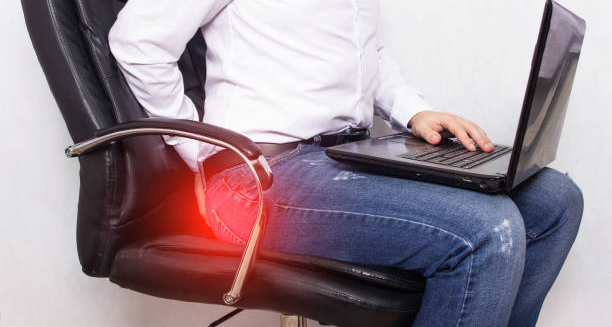
Occupational and lifestyle adjustments also contribute to haemorrhoid prevention. Taking breaks during long periods of sitting, standing up every 30–60 minutes, and using ergonomic chairs reduce pressure on the pelvic area. For individuals involved in heavy lifting, learning and practising proper techniques reduces strain on the abdominal region and rectal veins.
Prevention of Haemorrhoids
In summary, the prevention of haemorrhoids centres around dietary changes, bowel habits, regular exercise, weight management, and good hygiene. These proactive measures not only reduce the likelihood of haemorrhoid formation but also support overall gastrointestinal health. Educating patients about these strategies can significantly lower the prevalence of haemorrhoids and reduce recurrence in those previously affected.