Causes of Heart Disease
The causes of heart disease are complex and multifactorial, involving genetic, environmental, and lifestyle factors. Understanding the causes of heart disease is critical for effective prevention and treatment.
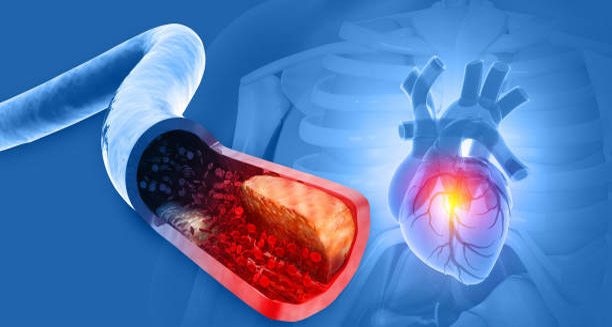
The most common cause is atherosclerosis, a condition where plaque—composed of fat, cholesterol, calcium, and other substances—builds up in the arterial walls, narrowing the arteries and restricting blood flow. This process often begins in childhood and progresses silently over decades. Eventually, it may lead to heart attacks, angina, or strokes.
Other major causes include:
Hypertension (high blood pressure): Chronic pressure on artery walls can damage blood vessels and increase the heart’s workload, contributing to heart failure and other complications.
Diabetes: High blood sugar levels damage blood vessels and the nerves that control the heart.
Smoking: Tobacco use promotes atherosclerosis, increases blood pressure, reduces oxygen supply, and contributes to clot formation.
High cholesterol: Especially elevated levels of low-density lipoprotein (LDL) cholesterol, which promotes plaque accumulation.
Obesity: Excess body fat is associated with high blood pressure, diabetes, and lipid abnormalities, all of which increase cardiovascular risk.
Physical inactivity: Sedentary behaviour weakens the heart muscle and is linked to numerous metabolic and vascular disorders.
Unhealthy diet: Diets high in saturated fats, trans fats, salt, and sugar contribute to inflammation, atherosclerosis, and weight gain.
Stress and poor mental health: Chronic stress, depression, and anxiety can raise cortisol levels and affect heart rate and blood pressure regulation.
Causes of Heart Disease
Genetics and congenital conditions also play a role. Some people are born with structural heart defects, abnormal heart rhythms, or inherited disorders like hypertrophic cardiomyopathy or familial hypercholesterolemia, which significantly raise the risk of heart disease.
Infections, including viral myocarditis and rheumatic fever, and autoimmune conditions like lupus can inflame or damage heart tissues, leading to dysfunction. Additionally, certain medications, recreational drugs, and exposure to toxins may also contribute to cardiac injury.
Ultimately, the causes of heart disease are closely connected. Because of this, it’s crucial to adopt a comprehensive prevention strategy. This strategy should include changes in lifestyle, behavior, and medical treatments. By addressing all these areas, people can significantly reduce the burden of heart disease.