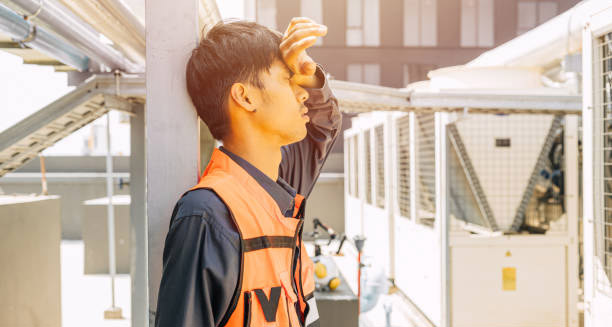
Symptoms of Heat Exhaustion
The symptoms of heat exhaustion typically develop after prolonged exposure to high temperatures, especially when combined with physical activity and insufficient hydration. Although not as immediately life-threatening as heatstroke, heat exhaustion is a serious medical condition that requires prompt attention. Recognising the symptoms of heat exhaustion early allows for quick intervention, helping prevent the progression to heatstroke—a condition that can cause permanent organ damage or death.
The hallmark symptom of heat exhaustion is intense, heavy sweating. Sweating is the body’s natural way of cooling down, but excessive perspiration leads to fluid and electrolyte loss, which in turn affects circulatory and neurological function. People with heat exhaustion often appear drenched in sweat, and their skin may feel cold, clammy, or moist, even though they are in a hot environment. Unlike heatstroke, in which sweating usually stops and the skin becomes dry and hot, those with heat exhaustion retain the ability to sweat.
Weakness and fatigue are also common. As the body’s core temperature rises and fluid levels drop, muscles become less efficient, leading to a general sense of exhaustion. Individuals may find it difficult to continue physical activity, and tasks that are usually manageable may feel overwhelmingly tiring. This symptom may develop gradually or appear suddenly after a period of overexertion in the heat.
Symptoms of Heat Exhaustion
Dizziness or light-headedness, especially when standing up, is another frequent symptom. This occurs because fluid loss leads to a drop in blood pressure, which can reduce blood flow to the brain. Affected individuals may feel faint or unsteady and, in more serious cases, may experience actual fainting (syncope). Orthostatic hypotension—feeling dizzy when moving from a sitting or lying position to standing—is a typical warning sign.
Nausea and vomiting often accompany heat exhaustion, especially if the person continues to exert themselves without rest or hydration. Heat and dehydration can slow gastric motility and irritate the stomach lining, causing gastrointestinal symptoms. Vomiting further worsens dehydration and electrolyte loss, creating a dangerous cycle that accelerates deterioration if not addressed promptly.
Muscle cramps, particularly in the legs, arms, or abdomen, are another characteristic symptom. These are caused by imbalances in electrolytes—especially sodium and potassium—due to profuse sweating. The cramps may be mild and intermittent or severe and painful, and they often worsen with continued physical activity.
Headache is a common complaint and may feel similar to a tension-type or migraine headache. Dehydration, loss of electrolytes, and overheating all contribute to the onset of pain. The headache may be accompanied by a sensation of pressure in the head or sensitivity to light, particularly if the person is in bright outdoor conditions.
Symptoms of Heat Exhaustion
Changes in mental status are possible, especially as the condition progresses. Individuals may become irritable, confused, or unable to concentrate. They may appear sluggish or respond slowly to questions. While these symptoms are usually mild in heat exhaustion, they must be taken seriously, as worsening confusion or disorientation can signal progression to heatstroke.
Pale or flushed skin, often cool to the touch, is a notable symptom that may be overlooked. Despite the high environmental temperature, the skin can feel cold and sweaty because the body is working in overdrive to expel heat through sweating. In other cases, the skin may appear red due to increased circulation as the body attempts to cool the surface.
Some individuals report rapid heartbeat (tachycardia) and fast, shallow breathing. These symptoms occur as the heart and lungs try to compensate for low fluid levels and rising body temperature. The pulse may feel weak or thready, and breathing may be noticeably faster than normal, particularly with minimal exertion.
Symptoms of Heat Exhaustion
A person with heat exhaustion may also experience dark-coloured urine, a sign of dehydration. Urine output may be reduced or absent altogether in severe cases. Monitoring hydration status through urine colour and frequency can be a useful indicator, especially in outdoor or athletic settings.
Chills or goosebumps, while counterintuitive in hot weather, can occur during heat exhaustion and are a sign that the body’s thermoregulation system is failing. This symptom often accompanies muscle cramps, nausea, and a sense of “feeling off,” and should prompt immediate rest and cooling measures.
The symptoms of heat exhaustion may appear suddenly or build up over time. In some people—particularly older adults, children, and individuals with chronic illnesses—the symptoms may be subtler. For example, an elderly person may simply appear lethargic, confused, or unusually quiet. Young children may become fussy, refuse food or drink, or appear flushed and overly tired after playing outside.
Importantly, the severity of symptoms is not always proportional to the seriousness of the condition. Mild-seeming symptoms can worsen rapidly, especially if the individual continues to remain in a hot environment or fails to rehydrate. Early intervention is crucial. Removing the person from the heat, encouraging them to rest, and providing fluids—preferably with electrolytes—can reverse the condition quickly and prevent further complications.
In high-risk populations, such as athletes, labourers, outdoor workers, and people experiencing homelessness, vigilance is essential. These groups may continue exerting themselves despite warning signs or have limited access to shade, fluids, or medical care. Education and prevention efforts, including the use of rest breaks, hydration schedules, and buddy systems, are key to reducing the incidence of heat exhaustion in such settings.
Symptoms of Heat Exhaustion
In summary, the symptoms of heat exhaustion range from heavy sweating and fatigue to dizziness, nausea, cramps, and mental confusion. Recognising these signs early allows for timely treatment and helps prevent progression to heatstroke. Anyone experiencing or observing these symptoms—particularly during heatwaves, strenuous outdoor activity, or in vulnerable individuals—should take immediate action to cool the body, rehydrate, and rest.