Symptoms of Henoch-Schönlein Purpura
The symptoms of Henoch-Schönlein purpura (HSP) can vary from mild to severe. Furthermore, they often develop suddenly, frequently following an upper respiratory tract infection. The most characteristic feature is a purplish skin rash. However, this condition is systemic in nature—meaning it can affect multiple organ systems simultaneously. Understanding the full spectrum of the symptoms of Henoch-Schönlein purpura is essential for prompt diagnosis and effective management. Particularly in children where the disease is most common but sometimes overlooked in its early stages.
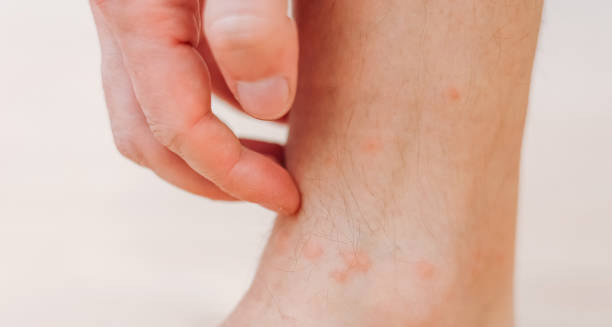
The hallmark symptom is a palpable purpuric rash, which consists of small, raised, reddish-purple spots that do not fade when pressed. This rash usually appears on the lower legs, buttocks, and around the ankles, but it may also extend to the arms, face, or trunk in some cases. The rash tends to be symmetrical, meaning it affects both sides of the body evenly. It is caused by bleeding into the skin from inflamed small blood vessels, and it may start as pink or red spots that darken over time. Unlike simple bruising, the rash of HSP is often slightly raised and may be tender to the touch.
Joint pain and swelling are also very common, affecting around 75% of individuals with HSP. The most frequently involved joints are the knees and ankles, although elbows and wrists can also be affected. The joint symptoms may precede the rash or appear simultaneously. Pain can be significant enough to cause limping, especially in younger children, but the inflammation does not cause long-term damage to the joints. Joint symptoms typically resolve within a few days to weeks, even without specific treatment.
Symptoms of Henoch-Schönlein Purpura
Another prominent feature is abdominal pain, which occurs in over half of patients. The pain is usually colicky (comes and goes in waves) and tends to centre around the navel. It may be accompanied by nausea, vomiting, and occasionally bloody stools. This gastrointestinal involvement results from inflammation of the blood vessels in the intestines. While often self-limiting, severe abdominal symptoms may indicate complications such as intussusception—a condition where part of the bowel slides into an adjacent section, leading to a blockage. This requires urgent medical attention.
Kidney involvement is the most serious potential symptom of HSP, though it is not present in all cases. When it does occur, it may appear a few days or even weeks after the rash. Symptoms of kidney involvement can include blood in the urine (haematuria)—which may be visible or microscopic—and protein in the urine (proteinuria). In more severe cases, nephritic or nephrotic syndromes can develop, characterised by swelling around the eyes or ankles, frothy urine, and high blood pressure. Long-term kidney damage is rare in children but more likely in adults and those with persistent or heavy proteinuria.
Less commonly, HSP can involve other systems. Some patients report headaches, fever, or general malaise. Occasionally, inflammation may affect the lungs (causing coughing or chest pain) or the scrotum in boys (leading to pain and swelling, often mimicking testicular torsion). These symptoms are uncommon but are important to recognise, as they may require specific management or urgent investigation.
Relapses are another feature of Henoch-Schönlein purpura in some individuals. About one-third of patients experience recurrence of symptoms—typically the rash—within a few weeks or months of the initial episode. These relapses are usually milder and shorter-lived than the original illness but may require further monitoring, especially if the kidneys were previously involved.
Symptoms of Henoch-Schönlein Purpura
In terms of timing and progression, the symptoms of HSP typically follow a predictable course. The rash is usually the last symptom to appear but may persist for several weeks. Joint symptoms often precede or coincide with the rash and resolve within 10–14 days. Gastrointestinal symptoms can be intermittent and are sometimes the most distressing aspect for parents of young children. Kidney involvement may be subtle and delayed, highlighting the importance of ongoing urine tests even after the rash and pain have subsided.
For clinicians, recognising the pattern of symptoms is crucial to making an accurate diagnosis. For example, a child who presents with a non-blanching rash on the legs, abdominal cramping, and joint stiffness should prompt immediate consideration of HSP, especially if a recent viral illness has occurred. When the presentation is atypical or when symptoms are particularly severe, further investigation may be needed to rule out other causes such as meningococcal septicaemia, idiopathic thrombocytopenic purpura (ITP), or systemic lupus erythematosus.
Parents and caregivers should be advised that while Henoch-Schönlein purpura often resolves without lasting effects, any signs of worsening symptoms—such as persistent abdominal pain, swelling around the eyes or ankles, or decreased urine output—warrant prompt medical evaluation. Likewise, if the rash becomes widespread, painful, or begins to ulcerate, further assessment is needed.
In adults, the symptom profile may be similar but often more severe. Renal involvement is more common and more likely to lead to lasting kidney problems. Joint symptoms may be more prolonged, and gastrointestinal complications are more frequent. As such, adult-onset HSP generally requires closer monitoring and may necessitate specialist referral, particularly to a nephrologist.
Symptoms of Henoch-Schönlein Purpura
In summary, the symptoms of Henoch-Schönlein purpura typically include a palpable purpuric rash, joint pain and swelling, abdominal discomfort, and—less frequently—renal involvement. These symptoms may appear in stages or overlap and often follow a respiratory infection. While most cases in children resolve completely, early recognition and continued monitoring, especially of kidney function, are key to ensuring a full recovery without complications.