Preventing hepatitis B is one of the best ways to stop liver disease around the world. The virus spreads easily through blood and body fluids, much faster than HIV. Luckily, stopping hepatitis B is very possible. You can prevent it with vaccines, safe habits, and early testing, especially in high-risk areas.
Vaccination Is the Best Way to Prevent Hepatitis B
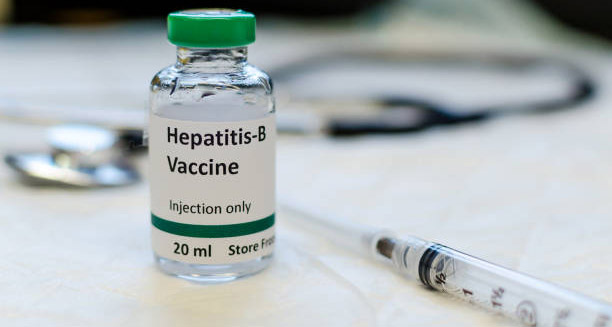
The hepatitis B vaccine is the strongest shield against infection. It is safe and helps your body make protective antibodies. People usually get three shots over six months. This gives protection that often lasts for life.
Protecting Babies from the Start
Many countries give hepatitis B shots to babies as part of routine vaccines. The first dose comes within 24 hours of birth. This prevents babies from getting the virus from their mothers. The World Health Organization (WHO) recommends a birth dose, followed by two or three more doses.
Vaccinating People at Higher Risk
Some people face a greater chance of catching hepatitis B, so they should get vaccinated. This includes:
- Healthcare workers and emergency staff
- People with many sexual partners
- Men who have sex with men (MSM)
- People who inject drugs
- Family members of people with hepatitis B
- People on dialysis
- Those with liver or kidney problems
- People travelling to high-risk areas
- Prisoners or people in care homes
Vaccinating these groups helps keep them safe and also stops the virus from spreading in communities.
Stopping Hepatitis B from Mother to Baby
In some places, babies often catch hepatitis B during birth. To stop this, doctors test pregnant women early. When a mother has hepatitis B, her baby can stay safe by:
- Getting a vaccine within 12 hours of birth
- Receiving a special shot called HBIG at birth
- Completing all vaccine doses by six months old
- Testing at 9–12 months to check if they are safe
These steps cut the baby’s risk by over 90%.
Safe Sex Lowers Hepatitis B Risk
People can also catch hepatitis B through sex. You can lower the risk by:
- Using condoms every time
- Avoiding unprotected sex with people whose hepatitis B status is unknown
- Getting tested and vaccinated with your partner
- Checking for other STIs, which can raise risk
In high-risk groups like MSM and sex workers, education, vaccines, and condoms help a lot.
Safer Options for People Who Inject Drugs
Sharing needles spreads hepatitis B quickly. To stay safer, people can:
- Use needle exchange programs
- Visit safe injection sites
- Learn safer injection steps
- Get vaccinated and tested often
- Get help with addiction if needed
These steps also stop the spread of hepatitis C and HIV.
Safe Healthcare Stops Hepatitis B
In hospitals and clinics, simple steps prevent hepatitis B. These include:
- Cleaning tools and rooms properly
- Using needles only once
- Wearing gloves and safety gear
- Throwing away used needles safely
- Vaccinating healthcare workers
- Testing blood and organs before use
These actions are very important in places with fewer resources.
Avoid Hepatitis B in Daily Life
Hepatitis B can spread in small ways too. To stay safe:
- Choose licensed tattoo and piercing shops
- Never share razors, toothbrushes, or nail tools
- Clean items that might touch blood
- Learn about risks from unregulated places
Testing and Teaching Protect Communities
Testing helps find hepatitis B early. It is very helpful for:
- People from high-risk countries
- Pregnant women
- People with other risks
Early testing leads to fast treatment and stops spreading. It also avoids serious liver problems. Teaching the public clears up myths—like the false idea that hepatitis B spreads through food.
Stopping Reactivation in Sick Patients
Some people, like those getting cancer treatment or using strong medicine, can have old hepatitis B come back. To stop this, doctors should:
- Test people before treatment
- Give medicine to stop the virus before it comes back
- Check liver tests regularly
This is key for people with cancer, organ transplants, or HIV.
Travellers Can Avoid Hepatitis B Too
Travellers who go to high-risk places should get vaccinated. This is especially true for:
- People travelling for a long time
- Healthcare volunteers
- People planning to get tattoos or medical care abroad
- People visiting family in risky areas
There’s also a vaccine that protects from both hepatitis A and B, perfect for some travellers.
In Summary
Stopping hepatitis B is possible and very effective. Vaccines, safer habits, clean healthcare, and public teaching save lives. Giving babies the vaccine at birth and protecting high-risk people can stop the virus from spreading. With global efforts, hepatitis B can one day become a thing of the past