The complications of hepatitis C can be serious and life-threatening, especially when the infection becomes chronic and remains untreated for years.
Even though some people live with hepatitis C for years without symptoms, the virus slowly damages the liver. Over time, this ongoing inflammation can lead to scarring, organ failure, and even cancer. In addition to liver problems, hepatitis C can also harm other organs, leading to a wide range of serious health conditions.
Cirrhosis and Liver Failure
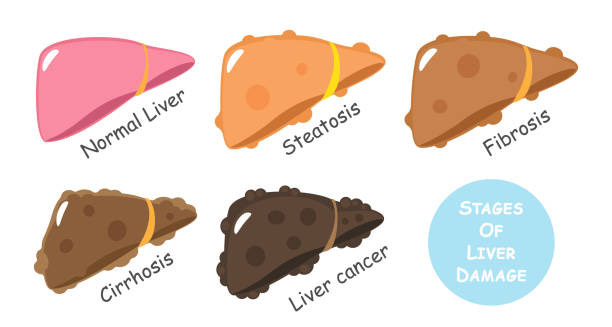
One of the most common long-term effects of hepatitis C is cirrhosis. This is when scar tissue builds up in the liver. Scarred tissue prevents the liver from working well. It can’t filter toxins, make proteins, or balance body chemicals as it should. Around 20 to 30% of people with chronic hepatitis C develop cirrhosis over two or three decades if left untreated.
Signs of cirrhosis include:
- Ongoing tiredness and weakness
- Swelling in the legs or belly
- Yellowing of the skin and eyes (jaundice)
- Itchy skin
- Easy bruising or bleeding
- Confusion or memory loss in later stages
As cirrhosis progresses, it may lead to liver failure. This stage is known as decompensated cirrhosis. It brings more severe problems like:
- Fluid in the abdomen (ascites)
- Bleeding in the esophagus or stomach
- Mental confusion or coma (hepatic encephalopathy)
- Kidney failure due to liver damage (hepatorenal syndrome)
At this point, the only way to survive may be a liver transplant. While hepatitis C treatment can stop the virus, the damage done by advanced cirrhosis may not fully heal.
Liver Cancer, Hypertension, and Hepatitis A Risks
Hepatitis C can lead to liver cancer, especially in people with cirrhosis. The most common type is hepatocellular carcinoma (HCC). Even after curing the virus, those with liver scarring remain at risk.
Liver cancer often goes unnoticed until it grows large. Early symptoms may include:
- Weight loss without trying
- Pain or pressure in the upper right belly
- Weakness and fatigue
- Jaundice
- A lump or mass felt near the liver
People with cirrhosis should get regular ultrasounds and blood tests to check for cancer. Early diagnosis offers more treatment options.
Cirrhosis also raises pressure in the portal vein, which brings blood to the liver. This condition, called portal hypertension, can cause:
- Bleeding from swollen veins
- Fluid buildup
- Enlarged spleen
In severe cases, doctors may use treatments like medication, endoscopic procedures, or surgery to manage this pressure.
Getting vaccinated against Hepatitis A is strongly advised for anyone with hepatitis C or cirrhosis. A second liver infection can be deadly, and Hepatitis A is completely preventable with a vaccine.
Kidney, Immune, and Hormone-Related Problems
Hepatitis C can also trigger immune system problems. Some people develop cryoglobulinaemia, a condition caused by abnormal proteins in the blood. These proteins build up in blood vessels and cause:
- Purple rashes on the legs
- Joint pain
- Nerve damage
- Kidney inflammation
In more serious cases, this condition can damage major organs. Treatment may include antiviral drugs, steroids, or blood-cleaning procedures (plasmapheresis).
Kidneys are also at risk. Hepatitis C may lead to glomerulonephritis, which can cause:
- Protein in the urine
- Swelling in the face or legs
- Slow loss of kidney function
These kidney problems often happen along with immune issues and need special care.
Hepatitis C can also affect hormones and metabolism. It increases the risk of:
- Type 2 diabetes
- Fatty liver disease, especially in people with certain virus types or obesity
- Low thyroid function
- Abnormal cholesterol levels
These issues can speed up liver damage and raise the chance of heart problems. Managing them early is key to long-term health.
Mental Health, Stigma, and Long-Term Impact
Living with hepatitis C affects mental well-being too. Many people feel tired, foggy, anxious, or depressed. These symptoms can happen even when liver damage is mild. They might last after the virus is gone. Experts believe these problems may be due to inflammation or stress caused by chronic illness.
Stigma adds another layer of harm. Many people feel ashamed or fear being judged. This can stop them from getting tested or treated. They may face unfair treatment at work or in relationships due to false beliefs about how hepatitis C spreads.
Thankfully, curing hepatitis C improves both physical and mental health. People often feel more confident and hopeful after treatment. Still, support, education, and counseling are vital parts of healing.
Curing the virus also reduces the spread of infection—especially when paired with vaccines like the one for Hepatitis A.
In Summary
The complications of hepatitis C reach far beyond the liver. The virus can harm the kidneys, immune system, and mind. If not found and treated early, it may lead to cirrhosis, liver failure, or cancer. But there’s good news: with today’s treatments, most of these problems can be prevented or controlled.
Monitoring, lifestyle changes, and whole-person care help people recover fully. With the added protection of Hepatitis A vaccination, patients can stay healthier and avoid dangerous co-infections. By acting early, we protect not just the liver, but the whole body and mind.