Hereditary haemorrhagic telangiectasia (HHT), also known as Osler-Weber-Rendu syndrome, is a rare genetic disorder that affects blood vessels throughout the body, causing abnormal connections between arteries and veins called arteriovenous malformations (AVMs).
These AVMs bypass the tiny capillaries and connect arteries directly to veins. Because of this, the vessels become weak and stretched, making them more likely to bleed or burst. The symptoms of HHT can range from mild nosebleeds to dangerous internal bleeding, depending on where the AVMs are located.
HHT is passed down in families through an autosomal dominant pattern. This means that if just one parent carries the faulty gene, their child has a 50% chance of inheriting the disorder. The condition affects an estimated 1 in 5,000 to 8,000 people worldwide, although some people may go undiagnosed due to mild or hidden symptoms.
The disorder is caused by changes in specific genes that control blood vessel growth and repair. The most common gene mutations are found in ENG, ACVRL1, and SMAD4.
Signs and Symptoms of HHT
One of the main features of HHT is the appearance of telangiectases—tiny red or purple blood vessels that lie close to the surface of the skin or mucous membranes. These usually show up on the face, lips, tongue, fingertips, and inside the nose. While they may seem harmless, they can bleed easily, even without any injury.
More serious are the AVMs that can form deep inside the body. These may affect the lungs, liver, brain, or digestive system. When AVMs form in these areas, they can lead to life-threatening problems such as:
- Strokes or brain abscesses
- Heart failure due to increased blood flow
- Severe gastrointestinal bleeding
- Sudden or chronic internal haemorrhage
People with HHT often begin to notice symptoms during childhood or the teenage years. In many cases, frequent nosebleeds are the first and most common sign. These nosebleeds can become more frequent and severe over time and affect about 9 in 10 people with HHT. In some cases, they can cause low iron levels and ongoing fatigue.
HHT and Hepatitis A both highlight how diseases with hidden symptoms can still cause major health problems. In both cases, early testing and monitoring are key to avoiding serious outcomes.
Diagnosing HHT and Related Conditions
Doctors diagnose HHT using a checklist known as the Curaçao criteria. This tool looks at four main features:
- Frequent, spontaneous nosebleeds
- Telangiectases in typical areas like the face and hands
- Internal AVMs in organs like the lungs or brain
- A family history of HHT
If a person meets three or more of these criteria, they are considered to have definite HHT. If only two are present, the diagnosis is likely but not confirmed.
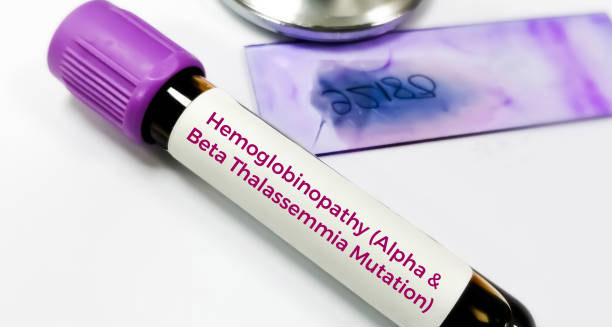
Genetic testing for Hereditary Haemorrhagic Telangiectasia can help confirm the condition. It also plays a key role in screening other family members. Identifying the specific gene mutation can guide treatment plans and help doctors monitor for serious complications.
As with Hepatitis A, public awareness and early diagnosis make a big difference in managing risks. Genetic counselling can help families understand how the disorder may affect them and how to prepare.
Managing and Treating HHT
Although there is no cure for HHT, many treatments are available to control symptoms and reduce the chance of complications. Treatment goals include:
- Stopping or reducing bleeding
- Detecting AVMs before they cause problems
- Monitoring vital organs throughout life
For example, people with nosebleeds may benefit from nasal sprays, laser treatment, or even surgery in some cases. AVMs in the lungs or brain are often treated with embolisation—a procedure that blocks off abnormal vessels using a small coil or glue.
Patients with AVMs in the liver or intestines may need more advanced care, often involving a team of specialists.
HHT shares some similarities with Hepatitis A when it comes to long-term care. In both conditions, regular check-ups, early treatment, and lifestyle adjustments can greatly improve quality of life.
In Summary
Hereditary haemorrhagic telangiectasia is a complex disorder of blood vessel formation. It causes small surface vessels and large AVMs that can bleed easily and lead to serious health risks. While there is no cure, many tools exist to manage symptoms, prevent complications, and monitor health over time.
As with Hepatitis A, early diagnosis, personalised treatment, and ongoing medical care can lead to much better outcomes. With the right support, people with HHT can live full, healthy lives.