Hereditary spastic paraplegia (HSP) refers to a group of inherited neurological disorders primarily characterised by progressive stiffness and contraction (spasticity) in the lower limbs.
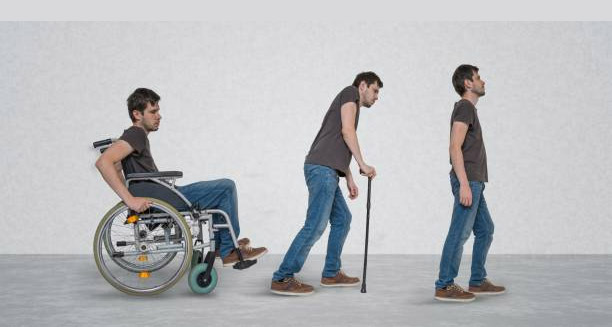
This condition affects how people walk, move, and balance. It causes growing weakness and tightness in the legs, making it harder to stay mobile. Hereditary spastic paraplegia starts because of changes in genes. These changes damage the nerve pathways that help control voluntary movements. Learning about this condition early helps improve treatment and long-term health.
Many people notice symptoms of hereditary spastic paraplegia during childhood or the teenage years. But for some, signs may not appear until adulthood. The condition mainly harms the corticospinal tract—a nerve route that carries movement signals from the brain to the body. As the nerves break down, people lose strength and coordination in their legs.
Although this condition mostly affects walking, it can cause other problems too. Some people have trouble feeling things in their feet, thinking clearly, or controlling their bladder or bowels. Spotting the signs early and getting the right care can help people keep their independence longer.
Doctors divide hereditary spastic paraplegia into two types: uncomplicated (also called pure) and complicated. Pure HSP causes mainly leg symptoms. These include stiffness, trouble walking, and weak muscles. In contrast, complicated HSP also affects the brain and other body systems. People may have learning problems, seizures, nerve pain, or hearing and vision issues.
Right now, there’s no cure for this condition. Still, many treatments can help reduce the symptoms. Ongoing care, physical therapy, and the right support tools make a big difference in daily life.
In the next few sections, you’ll find a deeper look at what causes hereditary spastic paraplegia. We’ll also cover its symptoms, how doctors diagnose it, available treatments, possible problems, and what the long-term future looks like for people living with this condition.