The diagnosis of hernia is a crucial step in preventing complications and determining the appropriate treatment strategy.
In some cases, hernias are easy to detect through a physical exam. In others, the signs may be subtle, requiring imaging tests to confirm. The diagnosis of hernia includes taking a full medical history, doing a hands-on exam, and often using scans to check the type, size, and risk level. Getting the diagnosis right from the start helps patients receive timely care and lowers the risk of serious problems like incarceration or strangulation.
History, Physical Exam, and Imaging
The process begins with a review of the patient’s symptoms and medical background. Doctors ask when the symptoms started, what makes them better or worse, and whether the patient notices a bulge or pain while coughing or lifting. Other clues may include a feeling of heaviness, digestion problems, or past surgeries. Lifestyle habits like smoking, physically demanding work, or a family history of hernias also play a role in the diagnosis of hernia.
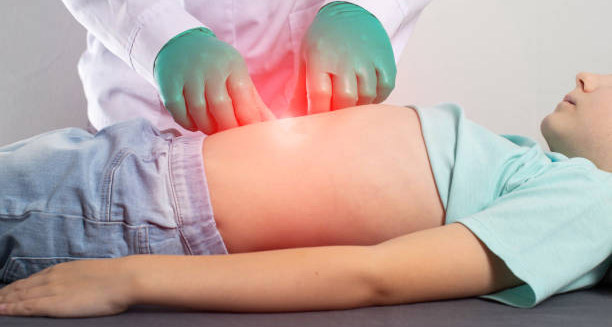
Next comes the physical exam. The patient is usually asked to stand and cough or strain—a method called the Valsalva manoeuvre. This increases pressure inside the belly, making some hernias easier to see or feel. Common types like inguinal, femoral, umbilical, or incisional hernias often show up this way. The doctor may also try to gently push the hernia back in—a step known as reduction—to check whether it’s trapped or movable.
Some hernias, like hiatal hernias, don’t show up during an external exam. For these, imaging is needed. One common test is a barium swallow, where the patient drinks a barium solution that outlines the digestive tract on X-rays. This helps doctors see if part of the stomach has moved into the chest area through the diaphragm.
Another tool is endoscopy, which uses a flexible camera tube inserted through the mouth. It lets the doctor view the oesophagus and stomach directly. This is especially helpful for spotting irritation or ulcers caused by acid reflux, which often accompanies hiatal hernias. The ability to see the affected areas clearly makes endoscopy a powerful tool in the diagnosis of hernia.
Additional Diagnostic Tools
Ultrasound is useful for checking hernias in children, pregnant women, or when there’s a visible lump. It uses sound waves to create real-time images, making it ideal for identifying inguinal or umbilical hernias. It also helps distinguish hernias from other conditions like cysts or swollen lymph nodes. Since it’s painless and quick, ultrasound is often the first test used when hernias are suspected.
CT scans offer detailed, cross-section images and are often used when the diagnosis is unclear. They’re especially useful for finding deep abdominal or incisional hernias that can’t be felt during a physical exam. CT imaging helps confirm the diagnosis of hernia when symptoms are vague or when doctors suspect complications like bowel blockage or strangulation. In emergency cases, CT scans provide fast, critical information.
MRI is less common but can be valuable in certain situations. It gives clear images of soft tissues and doesn’t expose the patient to radiation. This makes it a good choice for athletes or people with groin pain that might be caused by either a hernia or a muscle injury. MRI can also help tell hernias apart from tumours or inflammation in soft tissues.
Blood tests
Blood tests are not usually needed to diagnose a hernia. However, they may be ordered if complications are suspected. For example, a high white blood cell count could point to an infection or a trapped section of bowel. Blood tests also help check the patient’s readiness for surgery, especially if they have liver or kidney conditions.
A key part of the diagnosis of hernia is ruling out other problems with similar symptoms. For instance, groin pain might also be caused by a muscle strain, a swollen lymph node, or a hip joint issue. Bloating or belly pain could come from unrelated digestive problems. Pinpointing the exact cause prevents unnecessary treatments and guides the right care plan.
Once a hernia is confirmed, doctors classify it by type (inguinal, femoral, umbilical, hiatal, or incisional), size, and whether it can be pushed back in (reducible) or is stuck (incarcerated or strangulated). This classification helps decide how urgently treatment is needed. A small, painless hernia might be monitored, while a larger or painful one usually requires surgery.
In conclusion, the diagnosis of hernia relies on combining patient history, physical exams, and imaging studies. Making the right diagnosis not only confirms the hernia but also points to the best treatment options and identifies any potential dangers. With modern tools and careful clinical judgment, hernias can be caught early, treated properly, and managed to avoid serious outcomes.
[Next: Treatment of Hernia →]