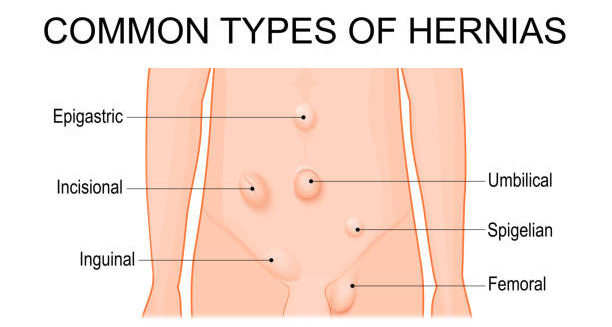
A hernia is a medical condition in which an organ or tissue pushes through an area of weakened muscle or connective tissue, creating an abnormal bulge.
This bulge usually forms in the abdominal wall, though it can also happen in other parts of the body. This condition often causes pain or discomfort. If not treated early, it can lead to serious health problems. Although hernias are common, how they affect someone depends on their type, size, and location. So, learning what causes this condition and how to treat it is important for staying healthy in the long term.
What Causes a Hernia to Happen
A hernia forms when internal pressure becomes too much for weak muscles to handle. Things like heavy lifting, long-term coughing, being overweight, or pregnancy can raise pressure in the abdomen. This pressure pushes tissue out through weak spots in the muscle.
Chronic problems like constipation or trouble peeing can also increase pressure inside the belly. That makes hernias more likely. Past surgeries might weaken the abdominal wall too. In those cases, tissue can push through the scar area, causing an incisional this conditionconditionernia. Age, weak muscles, or health conditions that affect collagen can also lead to a this condition.
Signs You Might Have a Hernia
The most obvious sign of a hernia is a bulge under the skin. At first, this lump might only appear when you cough, lift something, or stand for a long time. It may go away when you lie down. But over time, the bulge can become more noticeable and stay there. It might cause pain or feel sore. In some cases, such as with inguinal hernias, the bulge can move into the groin area. That can lead to sharp discomfort, especially when active.
Hernias can affect people at any age, but some types are more common in certain groups. Inguinal hernias often affect men because of a natural weakness in the groin. Femoral hernias are less common but show up more in women and can cause serious problems if not treated quickly. Umbilical hernias, which cause bulges near the belly button, are often seen in babies but can also affect adults, especially during pregnancy or weight gain. Hiatal hernias happen when the stomach pushes into the chest. These are more common in older adults and people who are overweight.
Risks and Health Effects of a Hernia
Each type of hernia comes with its own set of problems. Inguinal hernias, for example, may lead to dangerous issues like incarceration or strangulation. That’s when the tissue gets stuck and loses its blood supply. If not treated quickly, it can become life-threatening. Femoral hernias also have a high risk of getting trapped and need fast medical help. Hiatal hernias, though different, can cause acid reflux and other stomach problems. In serious cases, this may require surgery or major lifestyle changes.
Hernias can grow over time. Some stay small and painless. Others become larger and more painful. As they grow, they raise the risk of getting stuck or strangled. These problems need emergency surgery. Quick treatment helps avoid serious harm. So, spotting this condition early and treating it in time is key.
How Doctors Diagnose and Treat a Hernia
To find a hernia, doctors first ask questions and examine the bulge. They might ask you to cough or strain, which helps them see how the bulge reacts. If things aren’t clear, they might use tools like ultrasound, CT scans, or MRI. These images help them learn more about this condition’s size and severity. With this clear picture, they can decide whether you need surgery or just monitoring.
Treatment depends on how bad this condition is. For smaller hernias with few symptoms, lifestyle changes and checkups might be enough. But in most cases, surgery offers a lasting fix. Doctors can do open surgery or less invasive keyhole surgery. The right method depends on this condition type, your age, and your overall health. Surgery repairs the muscle and prevents future problems.
Living with and Preventing a Hernia
There are simple steps you can take to avoid getting this condition. Staying at a healthy weight, lifting safely, and exercising to build strong core muscles all help. It’s also smart to treat problems like coughing or constipation before they cause more pressure in the belly.
Education plays a big part too. If more people know the early signs and risks of hernias, they’ll get help sooner. That can stop small issues from turning into major health emergencies.
Understanding and Managing Hernia Risks
In short, a hernia has many causes and possible outcomes. It’s important to spot it early, get the right diagnosis, and choose the best treatment. Taking steps to prevent this condition in the first place is just as important. With the right care and lifestyle, people with this condition can live full, healthy lives.