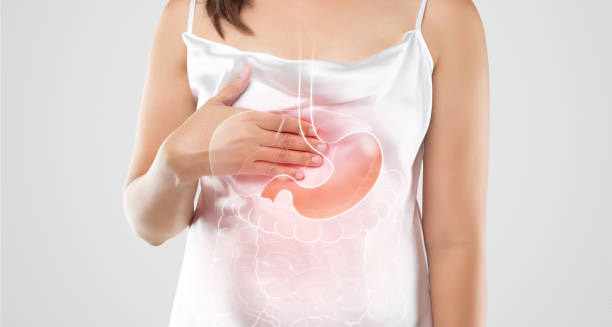
The outlook for hiatus hernia is generally positive, especially when the condition is diagnosed early and managed appropriately.
Many people live with a hiatus hernia without having any symptoms. But others may feel ongoing discomfort or face issues that need long-term care. Still, the outlook for hiatus hernia improves a lot when people stick to healthy habits, take their medicine, and see a doctor if symptoms get worse. With good care, most people can keep the condition under control and enjoy a normal, active life.
People with small sliding hiatus hernias often do very well. These are the most common kind. They usually cause few or no symptoms and often show up by chance during checks for other problems. In many cases, medicine is not needed. Doctors instead suggest lifestyle changes, like keeping a healthy weight, not eating late at night, and staying away from foods and habits that cause reflux. When these changes become part of daily life, the risk of problems stays low and life quality stays high.
Managing Reflux Symptoms with Hiatus Hernia
When reflux symptoms show up, the outlook for hiatus hernia depends on how well they’re managed. Medicines like proton pump inhibitors (PPIs) and H2-blockers lower stomach acid and help heal the food pipe. Most people feel much better when they take these drugs and follow a reflux-friendly diet. If symptoms are well controlled, serious problems—like swelling, sores, or changes in the food pipe lining—are less likely. Doctors may suggest regular checks with a scope to catch any early changes in people who have had reflux for a long time.
Sometimes, the condition can lead to something called Barrett’s oesophagus. This happens when reflux keeps coming back and changes the lining of the oesophagus. While this can raise the chance of cancer, the risk is still low, especially with regular checks and the right care. Scans and tissue samples help doctors catch any early changes so treatment can begin quickly. Medicines to lower acid and healthy daily habits can help keep things stable and lower the cancer risk even more.
Outlook for Hiatus Hernia in Complex Cases
Bigger hernias or ones that push next to the oesophagus—called para-oesophageal hernias—can be more serious. These hernias may twist, get stuck, or block the stomach. If not treated, these problems can be dangerous. But with early checks and surgery, the outlook for hiatus hernia in these cases is also very good. New surgery methods using small tools (laparoscopy) help people recover faster, lower the risk of problems, and ease symptoms. After surgery, most people feel much better and can go back to their usual routines within weeks.
People who have surgery usually do well. One common operation, called laparoscopic Nissen fundoplication, has a high success rate. Many people say they feel much better and their quality of life improves. Some may feel full or have trouble swallowing right after surgery, but these issues often go away. Long-term studies show that the hernia usually does not come back—especially if the surgeon has experience and the patient follows recovery advice. Newer options like the LINX device, which uses magnets, can also help and may be easier on the body.
Elderly Patients and Non-Surgical Approaches
Older adults or those with other health problems may face different risks. Surgery may not be the best option if someone has heart disease or lung issues. In these cases, doctors focus on medicine and lifestyle changes instead. Still, with regular doctor visits and good symptom control, many older adults still have a good outcome without surgery. The outlook for hiatus hernia remains good as long as the condition is kept under control.
On the other hand, waiting too long to get checked or ignoring ongoing symptoms can lead to worse outcomes. Problems like narrowing of the oesophagus, bleeding, lung infections, or Barrett’s oesophagus may develop. These issues often need stronger treatments, take longer to fix, and sometimes need more complex care. But even in tough cases, getting the right medical help can still improve the outlook and stop things from getting worse.
Emotional Health and Long-Term Care
Mental and emotional health also plays a role. Ongoing symptoms like chest pain, heartburn, and food coming back up can make people anxious. It may also affect sleep and lower overall well-being. Giving support, good information, and calming fears can really help. Many people feel more in control once they understand what’s going on and know that there are good treatments available.
In the long run, having a hiatus hernia doesn’t shorten your life. Most people with this condition live normal, healthy lives, especially if they manage it well. Staying in touch with doctors, taking medications as told, and making healthy lifestyle choices help keep things in check and stop problems. People who know they have a hiatus hernia should see a doctor quickly if new or worse symptoms start—like strong chest pain, throwing up, or losing weight without trying. These signs could mean something more serious is going on.
Final Thoughts on the Outlook for Hiatus Hernia
In conclusion, the outlook for hiatus hernia is very good when it’s found and treated the right way. Whether someone manages it with lifestyle changes, medicine, or surgery, most people feel much better and avoid serious issues. With today’s tools and treatments, living well with a hiatus hernia is very possible.