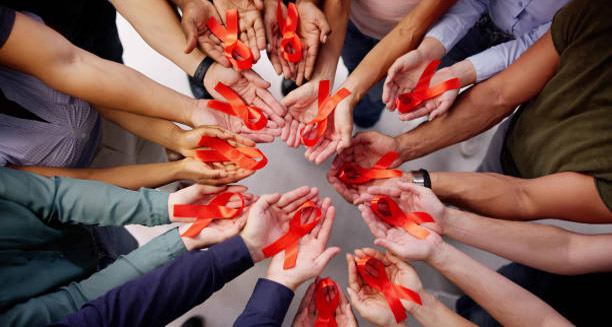
The outlook for HIV has changed dramatically in recent years. Once seen as a deadly disease, HIV is now a manageable condition for millions worldwide. This shift is thanks to antiretroviral therapy (ART), introduced in the mid-1990s. Since then, better medicines, improved tests, and strong public health efforts have boosted life expectancy and quality of life. Today, the outlook for HIV is very positive—if the infection is found early and treatment starts without delay.
With proper treatment and care, people with HIV can live almost as long as those without the virus. Many work, start families, and live full lives. Support from counselling, education, and anti-stigma programs has also improved outcomes.
Life Expectancy and HIV
Life expectancy shows how much the outlook for HIV has improved. In countries with good healthcare, people diagnosed in their 20s can live nearly the same lifespan as HIV-negative people. In lower-income areas, expanding access to treatment is closing the gap.
Early diagnosis matters. Starting ART soon protects the immune system, reduces inflammation, and prevents AIDS-related illness. People who begin treatment with higher CD4 counts usually do better over time.
U=U: Undetectable Means Untransmittable
A key milestone in the outlook for HIV is U=U—Undetectable = Untransmittable. People with an undetectable viral load cannot pass HIV to sexual partners. This changes how we think about intimacy and prevention.
The benefits of U=U include:
- Couples can have children safely without HIV transmission.
- People can live free from fear and stigma.
- Society can fight misinformation more effectively.
To keep the virus undetectable, people must take ART consistently and attend regular check-ups.
Ageing with HIV
More people with HIV are living into their 50s and beyond. This creates new challenges:
- Higher risk of heart disease, diabetes, and cancer.
- Taking many medicines at once, which increases drug interaction risks.
- Mild memory or thinking problems in some people.
- Mental health issues like loneliness, anxiety, or depression.
Healthcare systems must adapt and provide complete care for older adults living with HIV.
Quality of Life with HIV
The outlook for HIV is not just about survival. Quality of life matters too. Many people thrive when they have:
- Mental health support and counselling.
- Protection from stigma and discrimination.
- Job security and financial stability.
- Healthy relationships without fear.
Community groups, advocacy programs, and legal support all help improve daily life for people with HIV.
The Global HIV Response
Globally, the outlook for HIV is hopeful but needs work. UNAIDS aims to end AIDS as a public health threat by 2030. Key actions include:
- Expanding access to ART everywhere.
- Promoting HIV testing and self-test kits.
- Boosting prevention tools like PrEP and condoms.
- Preventing mother-to-child transmission.
- Investing in vaccine and cure research.
Funding gaps, stigma, and inequality remain big challenges. But progress so far is promising.
HIV Cure Research
Even though ART works well, the search for a cure continues. Two main types of cures are under study:
- Sterilising cure: Remove all HIV from the body.
- Functional cure: Control HIV without lifelong drugs.
Scientists are exploring gene editing, vaccines, and stem cell therapy. A few people, such as the “Berlin” and “London” patients, have already been cured. These cases offer hope, but ART is still the main treatment for now.
Empowerment and Advocacy
The outlook for HIV is also shaped by empowerment. People living with HIV are leaders, advocates, and educators. They fight stigma, push for better care, and inspire others. Living well with HIV is about health, but also dignity, equality, and community.
In Summary
The outlook for HIV has never been brighter. Early testing, lifelong ART, and strong social support help people live long, healthy lives. Science is moving toward better treatments and, one day, a cure. Together, we can make ending HIV a reality.