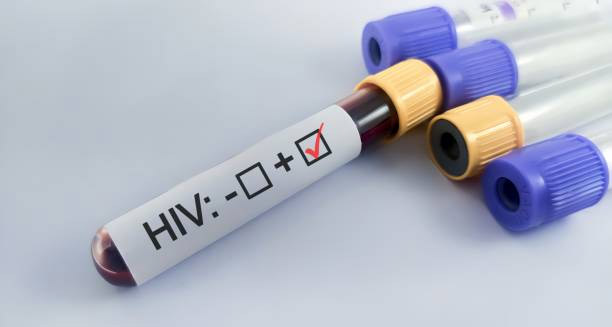

The diagnosis of HIV is a crucial step in preventing disease progression, reducing transmission, and improving long-term health outcomes. Early detection enables people to start treatment while their immune system is strong, significantly increasing life expectancy and quality of life. Timely diagnosis also helps stop the spread of HIV to others.
Despite major advances in testing technology, stigma, fear, and lack of awareness still delay diagnosis for many individuals. Understanding the available testing methods and their importance is key to ending the HIV epidemic.
Why HIV Diagnosis Matters
HIV attacks CD4 cells (T-helper cells), weakening the immune system over time. Without testing, HIV may remain undetected for years until severe complications occur. Late diagnosis is a major reason why some people progress to AIDS—the most advanced stage of HIV infection.
Routine and accessible testing is the most effective strategy for early detection and prevention.
Who Should Get Tested for HIV?
Global health guidelines recommend regular HIV testing for:
- Anyone sexually active, especially those with multiple partners
- People who do not consistently use condoms
- Men who have sex with men
- Sex workers
- Intravenous drug users
- People with HIV-positive partners
- Pregnant women (to prevent mother-to-child transmission)
High-risk groups may need testing every 3–6 months.
Types of HIV Tests
HIV diagnosis relies on detecting antibodies, antigens, or the virus itself. Common tests include:
1. Antibody Tests
- Detect antibodies produced after HIV infection
- Most people develop antibodies within 3–12 weeks
- ELISA (lab-based): Highly accurate
- Rapid tests: Results in 20–30 minutes
2. Antigen/Antibody Tests (4th Generation)
- Detect HIV antibodies and p24 antigen
- Can detect infection as early as 18 days after exposure
- Preferred screening method in many countries
3. Nucleic Acid Tests (NAT)
- Detect HIV RNA within 10–14 days
- Very accurate but expensive; used for early detection or newborn testing
Confirming an HIV Diagnosis
A single positive test does not confirm HIV. Follow-up tests are required:
- A different test type from the initial one
- In some countries, two positive results from separate samples
This ensures accurate diagnosis before starting lifelong treatment.
The HIV Window Period
The window period is the time after infection when tests may not yet detect HIV:
- Antibody tests: 3–12 weeks
- Antigen/antibody tests: 2–6 weeks
- NAT: 1–4 weeks
Retesting may be necessary if the initial test was taken too soon after exposure.
HIV Self-Testing
Home test kits allow private testing using oral fluid or a finger-prick of blood. While convenient, self-tests are screening tools only. Positive results must be confirmed at a clinic. Self-testing is especially helpful for people avoiding clinics due to stigma.
HIV Testing in Special Populations
- Infants of HIV-positive mothers: Antibody tests are unreliable due to maternal antibodies. NAT is used instead.
- People on PEP or PrEP: Special protocols apply, as medications can affect early detection.
Emotional Support After Diagnosis
An HIV diagnosis can be emotionally overwhelming. Fear, shame, and anxiety are common. Immediate counselling and support services help individuals cope and plan treatment. Healthcare providers should deliver results with compassion and provide clear next steps for care and prevention.
Importance of Early HIV Diagnosis
Early diagnosis allows people to start antiretroviral therapy (ART), which:
- Suppresses the virus
- Protects the immune system
- Prevents HIV transmission (U=U: Undetectable = Untransmittable)
People diagnosed early and treated promptly can live long, healthy lives.
Bottom line: The diagnosis of HIV is faster, more accurate, and more accessible than ever. But stigma and inequality still delay testing. Expanding awareness, improving access, and offering compassionate care remain key in the global fight against HIV.