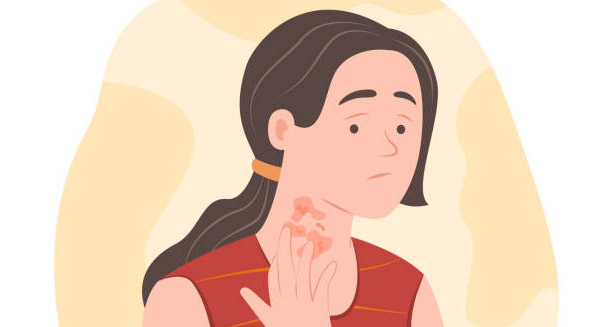

The symptoms of hives can vary a lot in how they show, how strong they are, and how long they last. But they all involve a clear reaction on the skin. Knowing the full range of symptoms of hives helps people spot them early, get a correct diagnosis, and start the right treatment. Though hives are usually not life-threatening, their sudden appearance and discomfort can cause strong worry, especially when many welts appear or if they keep coming back.
Key Signs and Typical Patterns in Symptoms of Hives and Outlook for Hives
At their simplest, hives show up as raised, red, or skin-coloured welts on the skin. These welts, called wheals, can be round, oval, or oddly shaped. They often itch badly. The wheals can be very small or several centimetres wide. Sometimes, they join together to make bigger patches. Usually, welts come on quickly and disappear within 24 hours, sometimes in just hours, only to be replaced by new ones in other places.
One main symptom of hives is itching. It may start mild but quickly gets worse, pushing people to scratch. This scratching can make skin irritation worse and even break the skin. Besides itching, some people feel burning or stinging, especially where many nerves are, like the face, fingertips, or private areas.
Swelling and Severe Symptoms Affect Outlook for Hives
Another important trait of hives is that the welts come and go fast, usually within a day, without leaving scars. But the whole episode may last longer, especially in chronic urticaria, where new welts appear almost daily for six weeks or more.
Redness and swelling usually happen too. The welts often have red skin around them, giving a blotchy look. Swelling can stay on the surface or go deeper. When it goes deep, it is called angioedema. This swelling affects places like the eyes, lips, tongue, hands, feet, and private parts. Angioedema can hurt and, if severe, block breathing or swallowing—calling for urgent medical help.
In serious cases, symptoms may include:
- Fast spread of many welts
- Swelling of the face or throat (angioedema)
- Trouble breathing
- Dizziness or feeling faint
- Nausea or stomach cramps
These signs could mean a severe allergic reaction called anaphylaxis. It needs emergency treatment. Though rare, people with hives must know these warning signs, especially after eating certain foods, taking medicines, or insect stings.
Chronic Symptoms and Emotional Impact on Outlook for Hives
Chronic hives often show less dramatic symptoms but last longer. Welts may appear daily or off and on for weeks, months, or years. This can hurt quality of life. The ongoing itching and skin changes may cause sleep problems, anxiety, and even depression. So, it is important to treat both physical and emotional effects of chronic hives.
Some people find their hives get worse at night, possibly due to body temperature changes or fewer distractions. Others notice physical triggers like heat, pressure, or exercise cause welts in patterns. For example, dermatographism makes hives in lines or streaks where skin is scratched or rubbed.
Patterns, Causes, and Symptoms in Different Groups Affect Outlook for Hives
Where and how welts show can hint at the cause:
- Facial hives might link to foods or cosmetics
- Hives on the body’s trunk often relate to infections or medicines
- Symmetrical outbreaks may mean a systemic cause
- Local welts under bra straps or waistbands suggest pressure urticaria
In children, hives may be scary because they appear fast and itch strongly. Parents should watch for welts, scratching, and discomfort signs. Fever or stomach problems with hives may suggest infection.
A unique trait of hives is their coming and going. People may be fine for weeks or months, then suddenly get many welts after a trigger. This makes finding causes hard and can frustrate patients. Keeping a symptom diary with foods, medicines, environment, and stress notes helps find patterns.
Some with hives also get other symptoms not part of the skin reaction but linked to causes:
- Fatigue
- Joint pain
- Low fever
- Swollen lymph nodes
These may point to autoimmune or other systemic problems and need deeper medical checks.
Summary of Symptoms of Hives and Outlook for Hives
In summary, hives mainly cause itchy, raised welts that appear fast and move around within hours. They may come with swelling, redness, and in severe cases, breathing trouble. Chronic hives can deeply affect daily life. While not usually life-threatening, they need careful checking and treatment. Recognising all symptoms helps speed diagnosis and improve care for this often misunderstood condition.