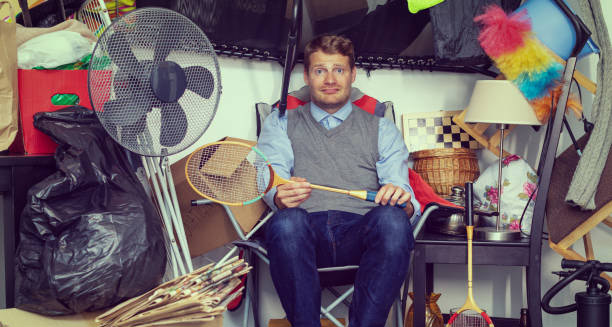
The complications of hoarding disorder extend far beyond the presence of clutter and disorganisation.
Hoarding disorder is a serious, long-term condition. It can harm a person’s body, mind, and relationships. It also affects finances and can lead to legal problems. Many people think hoarding is just mess or odd behaviour. In truth, the complications of hoarding disorder can put life, property, and social ties in danger. If left untreated, the situation often becomes worse. The emotional and practical problems keep growing over time.
Unsafe Living Conditions
One major problem is unsafe living conditions. As items pile up, they block paths and exits. They may also cover kitchens, bathrooms, and showers. This raises the risk of falls, trips, and fires. In homes with a lot of paper or fabric, even a small spark can cause a fire. Firefighters may struggle to enter or rescue people because of the clutter. Sadly, some deaths from fire link directly to hoarding.
Hygiene problems are another common issue. Old food, rubbish, and dirty items attract rats, bugs, and mould. This can cause infections from bacteria or viruses. Dust and mould can also harm the lungs and lead to asthma or other breathing problems. Heavy clutter can even weaken floors or ceilings, which may collapse under the weight.
Barriers to Healthcare
Hoarding makes medical care harder to access. Many people cannot find medicine or stay clean. Moving around the home becomes difficult. For older people, this can lead to sores, poor nutrition, or hospital visits for injuries. Care workers may also find it hard to visit, leaving people cut off from help.
Mental Health and Social Impact
The complications of hoarding disorder affect mental health as well. People often feel shame and guilt. They may avoid visitors to hide the mess. This isolation leads to loneliness, stress, and even depression. Over time, they may feel hopeless and may not seek help. In severe cases, thoughts of self-harm can appear, especially when eviction or forced clean-ups happen.
Effects on Family and Relationships
Family life often suffers. Partners and children feel the stress. Arguments about the mess become common. Children raised in hoarding homes may fall behind at school. Some face child protection checks because of unsafe living spaces. In homes with many generations, conflict often grows as people cope in different ways.
Financial and Legal Consequences
Money problems also arise. People often keep buying things, which leads to debt or even bankruptcy. Many pay for storage units or buy items they already own but cannot find. Some face fines or eviction for breaking property rules. In serious cases, they may lose their home or face court orders. These legal actions can make the person feel even more stressed and alone.
Forced Intervention and Community Impact
Authorities may step in when the home becomes too dangerous. This may include forced clean-ups or removing children. These steps aim to protect safety, but they can be very traumatic. Without proper mental health support, these actions often make things worse.
The complications of hoarding disorder can affect neighbours too. Shared buildings face fire risks, bad smells, pests, and leaks. Complaints and legal disputes often follow. This adds stigma and deepens the person’s isolation.
Impact on Children
Children in hoarding homes suffer in many ways. They may feel shame and avoid friends. Many struggle with schoolwork and social life. These early problems can affect their future wellbeing.
Chronic Nature and Relapse Risk
Hoarding disorder does not go away easily. Even with treatment, progress is slow and can slip back during stress or loss. Without steady help, people return to unsafe habits. This makes it hard for families and services to keep helping.
Ethical and Legal Challenges
Another concern is the legal and ethical side. Some people do not understand the risk or cannot make clear decisions. This raises tough questions about when and how to act. Finding the right balance between safety and personal rights is key. The best approach includes mental health experts, legal help, and advocacy.
Summary
The complications of hoarding disorder touch every part of life. They harm health, safety, family ties, and finances. They also affect the wider community. Early diagnosis and long-term support are vital. Reducing stigma and making care easier to access can change lives.
To solve these problems, many people must work together. Health workers, social services, legal teams, and families all play a role. With the right help, people can reclaim their homes and dignity.