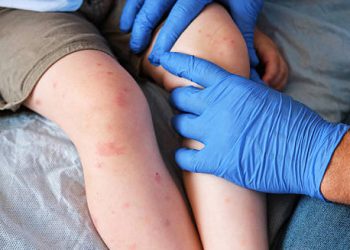
Hookworm is a parasitic infection caused by intestinal nematodes that attach to the lining of the small intestine and feed on the host’s blood. The two main species responsible for human infection are Necator americanus and Ancylostoma duodenale. This condition remains one of the most widespread neglected tropical diseases (NTDs), affecting an estimated 500–700 million people worldwide—particularly in sub-Saharan Africa, Southeast Asia, and Latin America.
How Hookworm Spreads
Transmission occurs when larvae in contaminated soil penetrate human skin, usually through the feet when a person walks barefoot. After entering the body, the larvae migrate through the bloodstream to the lungs, ascend the respiratory tract, and are swallowed. They then settle in the small intestine, where they mature, reproduce, and begin feeding on blood.
Why It’s a Global Health Concern
Although early infection may cause few symptoms, chronic hookworm infection can have serious consequences, especially in vulnerable groups such as children, pregnant women, and people with poor nutrition. Continuous blood loss from the intestinal wall often leads to iron-deficiency anaemia, fatigue, and protein loss, which affect energy, cognitive development, and productivity.
In children, persistent hookworm infection is linked to stunted growth and impaired learning ability. For pregnant women, it increases the risk of low birth weight, maternal anaemia, and poor birth outcomes.
Challenges in Control
Hookworm thrives in regions with poor sanitation, limited access to clean water, and inadequate healthcare infrastructure. Practices like open defecation and walking barefoot in contaminated soil allow the parasite to persist and spread. This makes hookworm not only a health issue but also a social and economic burden. As it reduces workforce productivity and perpetuates cycles of poverty.
Public Health Interventions
Mass deworming programmes targeting school-aged children are a cornerstone of hookworm control. These campaigns use anthelmintic medications such as albendazole or mebendazole, which are highly effective in killing adult worms. However, reinfection is common unless hygiene education, sanitation improvements, and access to clean water are implemented alongside medication.
Diagnosis and Treatment
Diagnosis typically involves microscopic examination of stool samples to detect hookworm eggs. In heavy infections, blood tests may reveal anaemia and low protein levels. Treatment is simple and effective with a single dose of albendazole or mebendazole, although severe cases may require iron supplementation and nutritional support to reverse chronic deficiencies.
As we continue, we will explore the key causes of hookworm, including the environmental, biological. Additionally, socio-economic factors that allow this infection to persist.