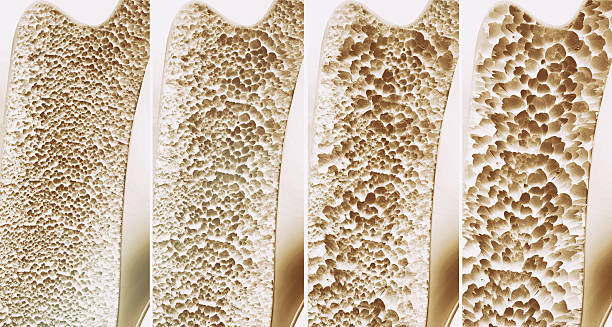
Hyperparathyroidism, if left untreated, can lead to serious complications affecting the bones, kidneys, cardiovascular system, nervous system, and digestive tract. The disorder causes excessive secretion of parathyroid hormone (PTH), which raises blood calcium levels (hypercalcaemia) by drawing calcium from bones, increasing absorption from the gut, and reducing excretion by the kidneys.
Although some people remain asymptomatic, the consequences of chronic hyperparathyroidism can be severe—and in some cases, life-threatening. Below, we explore the major complications of hyperparathyroidism, why they occur, and why early treatment is essential.
1. Bone Complications
Hyperparathyroidism significantly impacts the skeletal system by increasing bone resorption, leading to progressive bone loss and fragility.
Common bone-related complications include:
- Osteoporosis: Severe bone density loss due to calcium leaching from bones. Common in the spine, hips, and wrists; increases fracture risk.
- Osteopenia: A milder precursor to osteoporosis that can worsen if untreated.
- Osteitis Fibrosa Cystica (Rare): Advanced bone disease causing pain, deformities, and cyst-like lesions (brown tumours).
Without treatment, bone weakening can lead to fractures and long-term disability.
2. Kidney Complications
The kidneys are particularly vulnerable because they filter and excrete excess calcium. Prolonged hypercalcaemia may cause:
- Kidney Stones (Nephrolithiasis): Calcium-based stones causing severe pain, urinary obstruction, and infections.
- Nephrocalcinosis: Calcium deposits in kidney tissue, leading to reduced kidney function.
- Chronic Kidney Disease: Resulting from repeated stones and nephrocalcinosis, especially in untreated or tertiary hyperparathyroidism.
3. Cardiovascular Complications
Hyperparathyroidism can adversely affect heart health by altering calcium balance and vascular integrity:
- Hypertension: Caused by vascular stiffness and sodium imbalance.
- Arrhythmias: Disrupted heart rhythm due to high calcium levels; severe cases may be fatal.
- Vascular Calcification: Calcium deposits in arteries increase the risk of atherosclerosis, stroke, and heart attack, particularly in patients with CKD.
4. Neurological and Cognitive Complications
Often overlooked, hyperparathyroidism can affect brain function and mood:
- Cognitive Impairment (“Brain Fog”): Memory lapses, poor concentration, and mental fatigue—often reversible after treatment.
- Depression and Anxiety: Linked to elevated calcium and chronic illness burden.
- Muscle Weakness and Fatigue: Especially in upper arms and thighs, reducing mobility.
5. Gastrointestinal Complications
Hypercalcaemia can cause a range of digestive symptoms:
- Constipation: Due to reduced gut motility.
- Nausea and Vomiting: Often associated with severe hypercalcaemia or crisis.
- Peptic Ulcers and Pancreatitis (Rare): High calcium levels can increase gastric acid secretion and trigger pancreatic inflammation.
6. Hypercalcaemic Crisis (Medical Emergency)
In rare cases, patients may experience a hypercalcaemic crisis, a life-threatening complication marked by:
- Severe dehydration
- Confusion or coma
- Cardiac arrhythmias
- Acute kidney failure
- Risk of death without urgent treatment
This requires aggressive IV hydration, bisphosphonates, and often emergency surgery.
7. Postoperative Complications (After Parathyroid Surgery)
While parathyroidectomy is highly effective, some temporary or rare complications may occur:
- Hypocalcaemia: Sudden calcium drop after surgery; managed with supplements.
- Recurrent laryngeal nerve injury: Rare, may cause hoarseness.
- Persistent or recurrent disease: Uncommon, usually in multi-gland disease.
Summary
Hyperparathyroidism complications can affect multiple organ systems, from fragile bones and kidney stones to cardiovascular risks and mental health issues. While these complications develop gradually, they are largely preventable and often reversible with early diagnosis and proper treatment.
✅ Primary hyperparathyroidism: Surgery is the definitive cure.
✅ Secondary & tertiary forms: Medical management is critical to avoid long-term damage.
✅ Regular monitoring and patient education remain key for reducing risks and improving quality of life.