Hypotension, or low blood pressure, does not always need treatment. Many people—especially young, healthy individuals—naturally have low blood pressure without any problems. However, when hypotension causes symptoms or results from another health issue, treatment becomes important. It helps restore good blood flow to organs and prevents problems like falls, fainting, or organ damage.
Identifying the Cause First
The best way to treat hypotension is to find out what causes it. Whether it is from dehydration, medicine side effects, nervous system problems, or heart issues, fixing the cause often improves symptoms greatly. For example:
- A person with dehydration-related hypotension usually gets better with more fluids.
- Someone with blood loss needs urgent fluids and blood.
- If medicine causes low blood pressure, adjusting or stopping the drug helps.
Doctors always do a full check-up before starting treatment.
Lifestyle Modifications
- Increased Fluid Intake
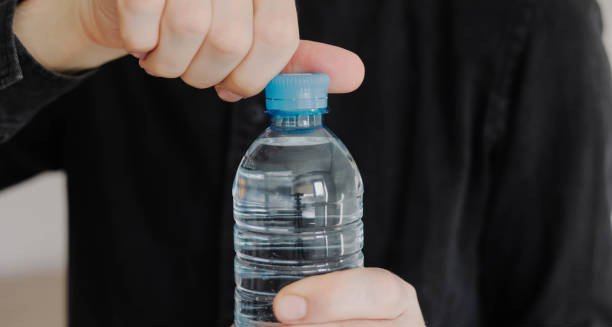
Drinking more water is one of the easiest and most effective treatments. Fluids keep blood volume up and support healthy pressure. It is very important in hot weather or after exercise. Doctors often suggest 2–3 litres a day unless there are other health limits. - Higher Salt Intake
People with low blood pressure may need to eat a bit more salt. Salt helps the body keep fluids in the blood, raising pressure. This should only be done with doctor advice to avoid fluid overload or kidney problems. - Compression Stockings
Wearing special tight stockings helps stop blood from pooling in the legs. This can reduce symptoms of orthostatic hypotension. These stockings help older adults or people with poor vein function. - Small, Frequent Meals
Large meals can cause blood to flow more to the stomach, lowering blood pressure. Eating smaller meals often lowers this risk. Avoiding heavy carbohydrate meals can also help. - Rising Slowly
People prone to blood pressure drops should change position slowly—like getting up gradually from bed or a chair. Pausing before walking gives the body time to adjust. Some may sleep with the bed’s head slightly raised to reduce fluid shifts at night.
Dietary Support
Besides water and salt, eating enough of these nutrients helps:
- Iron, to prevent anaemia
- Vitamin B12, to support nerves and blood
- Folate, to help make red blood cells
Dietitians can help make a good eating plan in complex cases.
Exercise Therapy
Regular, mild exercise improves blood vessel tone and heart regulation. However, people with symptoms should be careful:
- Avoid quick position changes during workouts
- Choose seated or lying exercises like cycling or rowing
- Include leg and strength training to improve blood flow
Doctors or physiotherapists can help design a safe plan.
Medications for Hypotension
Medicine is usually for people who still have symptoms despite lifestyle changes or who have chronic low blood pressure from nervous or heart problems.
- Fludrocortisone
This drug helps the body keep salt and fluids, raising blood pressure. It works well for orthostatic hypotension or adrenal problems but needs monitoring for side effects like swelling or high pressure. - Midodrine
Midodrine tightens blood vessels and raises pressure. It helps with nerve-related low blood pressure. It is taken during the day and avoided at night to stop high pressure when lying down. - Droxidopa
Used for nerve-related hypotension, especially in Parkinson’s or multiple system atrophy, droxidopa raises standing blood pressure by increasing norepinephrine. - Erythropoietin
In people with kidney disease and low blood pressure from anaemia, this drug can help. It has risks and is usually a second option.
Specialists such as heart, nerve, or kidney doctors start these medicines. They watch closely for effects.
Treating the Underlying Condition
When hypotension comes from another disease, treating that illness is the main goal. Examples include:
- Adrenal insufficiency: Using corticosteroid replacement
- Infection or sepsis: Antibiotics, fluids, sometimes vasopressors
- Heart failure: Medications like ACE inhibitors, diuretics, or pacemakers
- Arrhythmias: Antiarrhythmic drugs or surgery like ablation
- Nervous system disorders: Targeted therapy for autonomic problems
Fixing the main illness often improves blood pressure.
Emergency Treatment
Severe hypotension from bleeding, infection, or allergic reactions needs fast hospital care. Treatment includes:
- IV fluids to quickly raise blood volume
- Blood transfusions if needed
- Vasopressors like norepinephrine to tighten vessels and raise pressure
- Oxygen to keep organs safe
- Treating the cause, such as antibiotics or epinephrine
Quick action is vital to avoid permanent organ damage or death.
Monitoring and Follow-Up
After starting treatment, patients need regular checks to track:
- How well the treatment works
- Blood pressure patterns
- Any side effects
- Nutrition and hydration
- Impact on daily life
Doctors may do blood tests, monitor blood pressure at home, and adjust medicines.
Empowering the Patient
Education helps patients manage their hypotension better. They should learn to:
- Spot early signs of low blood pressure
- Stay hydrated and eat well
- Avoid triggers like hot baths or standing too long
- Keep a diary of symptoms
- Use home blood pressure monitors if needed
Informed patients follow treatment better and prevent avoidable problems.
Conclusion
Treatment for hypotension must suit each person. It can be as simple as drinking more water or as complex as medicine and treating chronic illness. Finding the cause, customizing care, and regular monitoring are keys to success. With the right plan, most people with hypotension live well and avoid serious problems.