Treatment of impotence focuses on addressing both the physical and psychological factors that contribute to erectile dysfunction. Because impotence can arise from a variety of causes—ranging from vascular disease and hormonal imbalances to anxiety and depression—an effective treatment strategy is often personalised. Advances in medicine and therapy have significantly improved outcomes, and many men are now able to regain satisfactory sexual function with the right combination of interventions. The key to successful treatment of impotence lies in early diagnosis, open communication, and a willingness to explore different treatment avenues.
Common Medical Approaches in the Treatment of Impotence
The most well-known and widely used treatment of impotence includes oral medications called phosphodiesterase type 5 (PDE5) inhibitors. These include sildenafil (Viagra), tadalafil (Cialis), and vardenafil (Levitra). They work by improving blood flow to the penis, helping men get and keep an erection during sexual activity. They only work with sexual stimulation—they do not trigger erections on their own. For men taking nitrates for heart problems, these medications are unsafe because they can cause a dangerous drop in blood pressure.
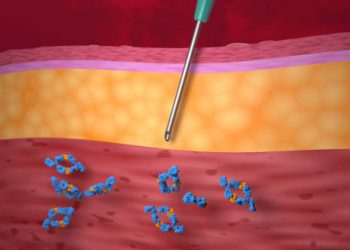
If oral medication doesn’t work or isn’t an option due to health concerns, other treatments are available. Penile injection therapy involves injecting medication like alprostadil directly into the penis. This method doesn’t require arousal and is effective for many men. Alprostadil is also available as a urethral suppository, although it is less effective. Both treatments can cause side effects like pain or prolonged erections, so doctors usually monitor patients closely.
Alternative Devices and Surgical Options
Another option in the treatment of impotence is the vacuum erection device (VED). This device creates suction to draw blood into the penis. A rubber ring is then placed at the base of the penis to maintain the erection. VEDs are drug-free and non-invasive, which makes them a good choice for men with other health problems. However, some users say the erection feels unnatural, and ejaculation may be limited by the constriction ring.
If less invasive methods fail, surgery may help. Doctors can implant a device inside the penis to produce an erection manually. There are two main types: inflatable prostheses and semi-rigid rods. Most men prefer the inflatable kind because it looks and feels more natural. Although the success rate is high, surgery comes with risks like infection or mechanical failure. For this reason, doctors usually recommend implants only when other treatments haven’t worked.
Hormonal, Psychological, and Lifestyle Treatments
Hormone therapy may play a role in the treatment of impotence, especially when low testosterone is part of the problem. Testosterone replacement therapy (TRT) can be given through injections, gels, patches, or implants. When testosterone is restored to healthy levels, sexual drive and erections may improve. However, TRT is not right for everyone. Doctors must first check for risks like fluid retention, acne, or changes in blood counts.
When psychological issues like stress, trauma, or anxiety cause erectile dysfunction, therapy becomes essential. Cognitive behavioural therapy (CBT) helps men change negative thought patterns and reduce performance anxiety. Couples therapy may also help if relationship tension is involved. A mix of medical treatment and therapy often gives the best results. Including a partner in counselling can build trust and improve intimacy.
Making healthier lifestyle choices is also important. Obesity, smoking, drinking too much, and a lack of exercise can all contribute to impotence. Losing weight, eating better, and becoming more active not only improve erections but also boost energy and self-esteem. Even small changes can have a big impact.
Treating Medical Conditions and Exploring New Options
Managing other health conditions is another key part of the treatment of impotence. Diabetes, high blood pressure, and sleep apnoea all make erectile dysfunction worse. By treating these problems effectively, men often see improvement in their sexual health. That’s why doctors consider impotence a sign of broader health concerns, not just a stand-alone issue.
Emerging treatments are being tested. One of them is low-intensity shockwave therapy, which may help repair blood vessels and restore natural erections. Researchers are also looking into stem cell therapy and platelet-rich plasma (PRP) injections. While these new treatments sound promising, most are still under study and not yet widely available.
Final Thoughts on the Treatment of Impotence
In conclusion, the treatment of impotence involves many options, depending on the root cause. From pills and injections to therapy and surgery, the best approach is often a personalised one. A team of health professionals—doctors, therapists, and specialists—can work together to guide the process. Most importantly, men should not delay seeking help. Impotence is common, and with proper support, most cases can be treated successfully.