Diagnosis of impotence is a structured and often multidisciplinary process designed to uncover the underlying causes of erectile dysfunction and guide effective treatment.
To begin the diagnosis of impotence, a healthcare provider gathers a detailed medical history. They ask how long the problem has been present, how often it happens, and whether it began suddenly or gradually. They also ask if the man gets erections during sleep or while masturbating. These details help the doctor decide if the cause is more likely physical or psychological. For example, if erections happen during sleep but not with a partner, it may suggest a mental or emotional cause.
The doctor will also ask about any long-term health problems. Conditions like diabetes, high blood pressure, heart disease, and nerve disorders can all lead to impotence. Surgeries in the pelvic area or spine may also affect blood flow or nerve signals. Some medicines for depression, anxiety, or high blood pressure may also cause erection problems, so doctors review the patient’s full medication list.
Lifestyle and Physical Check in the Diagnosis of Impotence
Lifestyle habits play a big role in the diagnosis of impotence. The healthcare provider will ask about smoking, drinking, drug use, diet, sleep, and exercise. For instance, smoking can damage blood vessels, and heavy alcohol use can lower testosterone. These habits affect overall health and can impact sexual function.
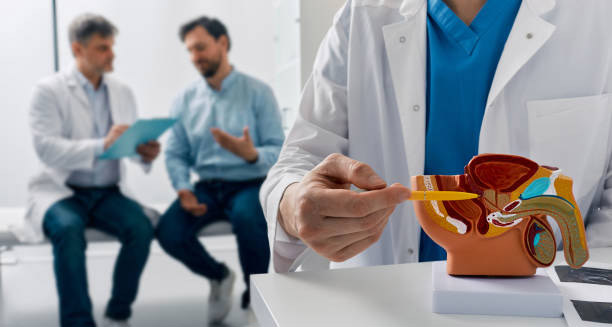
After the history and lifestyle review, a physical exam follows. The doctor checks the penis and testicles for any visible issues. They also feel for pulses in the legs to test blood flow and look for signs of low hormones, like less body hair or swollen breast tissue. If the patient is older or has urinary problems, a prostate exam may also be done to rule out related concerns.
Blood tests are another key part of the diagnosis of impotence. These tests check sugar levels for diabetes, cholesterol, thyroid hormones, and male hormones like testosterone. Low testosterone can reduce sex drive and cause erection trouble. If hormone issues are found, more tests might be done to look at brain hormone levels and rule out problems with the pituitary gland.
Special Tests and Imaging for the Diagnosis of Impotence
In some cases, a special test called nocturnal penile tumescence (NPT) is used. This test checks whether erections happen during sleep. Healthy men usually have several erections during REM sleep. If these night erections are normal, the problem may not be physical. Tools like the RigiScan measure how often and how strong these erections are.
Penile Doppler ultrasound may also help. This test looks at blood flow in the penis before and after giving a drug that improves circulation. It can show if there’s a problem with arteries or veins. This test is often done if surgery is being considered or if doctors think blood flow is the main issue.
When doctors think a nerve problem may be causing the impotence, they might do nerve tests. These include the bulbocavernosus reflex test or nerve conduction studies. These tests check how the nerves send and receive signals. A slow or absent response could mean nerve damage. Such testing is more common in younger men or those with conditions that affect the nervous system.
Emotional Factors in the Diagnosis of Impotence
Mental health plays a large role in many cases. When physical issues aren’t clear, doctors often look into emotional causes. Anxiety, stress, and depression can all lead to impotence. A psychologist or sex therapist may help assess this. If needed, they can offer counselling, couples therapy, or CBT. These therapies often reduce stress and improve sexual function.
Doctors may also ask about a man’s relationship and emotional wellbeing. Relationship problems can increase stress and reduce desire. A strong emotional connection with a partner often helps with performance, so talking about intimacy may be part of the evaluation.
A Full-Picture Approach to the Diagnosis of Impotence
The diagnosis of impotence often needs input from different experts. Urologists, psychologists, heart doctors, hormone specialists, and general practitioners may all work together. This full-team approach makes sure nothing is missed. It also improves the chances of finding the right treatment and restoring sexual health.
In summary, the diagnosis of impotence involves several steps. It starts with questions about medical and personal history, followed by a physical exam and lab tests. Doctors may also use special imaging and psychological assessments. A complete diagnosis helps uncover the real cause and leads to the most effective treatment.