Symptoms of impotence may manifest differently depending on the underlying cause, the individual’s age, and the presence of contributing physical or psychological factors.
The most common and defining symptom of impotence is the inability to get an erection, even with sexual arousal. For some men, this happens suddenly after a stressful event. For others, it starts slowly and worsens over time. Weak or rare erections often signal a deeper health issue like diabetes or poor circulation. In either case, struggling with erections can cause stress and lower sexual confidence.
Other Key Symptoms of Impotence
Another major issue is not being able to keep an erection long enough for satisfying sex. Sometimes, the erection starts strong but fades before or during penetration. This may happen because of poor blood flow, nerve damage, or anxiety. When it happens often, fear of failure grows. That fear can lead to avoiding sex completely, which makes the problem worse.
A drop in sex drive is also part of the symptoms of impotence. Men may feel less interested in sex due to low testosterone, tiredness, depression, or relationship problems. When desire fades, it adds to the emotional stress of erectile issues. Some men may avoid intimacy entirely, which can harm their relationships.
Anxiety about sexual performance is very common. It shows up as sweating, rapid heartbeat, or muscle tension. These symptoms often begin before or during sex. After a few failed attempts, the fear of failing again becomes strong. This anxiety can spill over into daily life, affecting self-worth and work. It’s important to treat these mental effects as part of the symptoms of impotence, not just as separate issues.
Physical Clues in the Symptoms of Impotence
Sometimes, other health signs appear along with impotence. For example, a man with diabetes may feel numbness in his hands or feet. Someone with heart disease might report chest pain or high blood pressure. These clues help doctors understand the bigger picture and find the root cause.
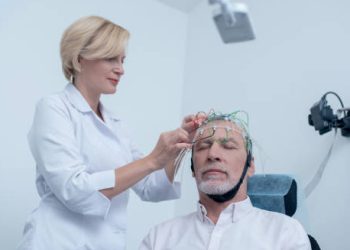
A common warning sign is a drop in morning erections. Most healthy men, especially those under 50, get erections while sleeping or upon waking. If these stop happening, a physical cause is likely. Tests like sleep studies can measure night-time erections. These help doctors decide if the problem is physical or mental.
Relationship Changes from the Symptoms of Impotence
Changes in intimacy often affect couples. A man with impotence may pull away emotionally or avoid sex. His partner may feel rejected or confused. Over time, this can create tension or sadness in the relationship. Honest conversations between partners help reduce these problems. Therapy or counselling may also be useful.
While impotence mainly affects erections, other sexual changes can occur. Some men notice delayed or absent ejaculation. Others may feel less pleasure during orgasm or see a drop in semen volume. These symptoms don’t always share the same causes as impotence, but they often appear together and should be addressed during evaluation.
Recognising the Symptoms of Impotence Early
It’s important to know the difference between short-term problems and long-term impotence. Most men have occasional erection issues caused by stress, alcohol, or being tired. But if the issue lasts three months or more, or keeps returning, it may be clinical impotence. At this point, it’s best to talk to a doctor. Waiting too long can make treatment harder.
In short, the symptoms of impotence include more than erection trouble. They involve emotional stress, low sex drive, performance anxiety, and relationship strain. These symptoms often reveal larger health problems. By noticing them early and seeking help, men can find the right treatment and rebuild sexual confidence and quality of life.