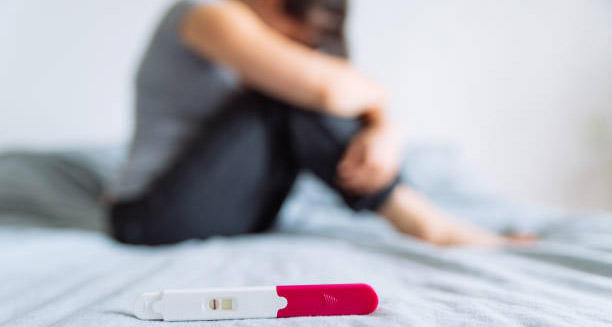
Symptoms of infertility often go unnoticed until a couple starts trying to conceive. Unlike other health problems that show clear signs, infertility can remain hidden for months or even years. Many people do not realise a problem exists until pregnancy becomes difficult. Understanding the symptoms of infertility helps couples seek early help and improve their chances of success.
One of the main symptoms of infertility in women is an irregular menstrual cycle. Regular ovulation is key to getting pregnant. When periods are too frequent, too far apart, or stop altogether, it may mean ovulation is not happening. Conditions like polycystic ovary syndrome (PCOS), thyroid problems, or high prolactin levels often cause these changes. Women with PCOS may go months without periods, bleed heavily, or stop bleeding entirely. These changes usually point to hormonal imbalances that affect the release of eggs.
Painful periods or ongoing pelvic pain are also symptoms of infertility. These may signal conditions such as endometriosis. In endometriosis, tissue like the lining of the uterus grows outside the uterus. This causes pain during periods, ovulation, or sex. The scarring and inflammation can block eggs and sperm from meeting or harm the reproductive organs.
Other symptoms of infertility in women include signs of hormone problems. These can show up as weight gain, acne, excess facial or body hair, or hair thinning on the scalp. Such signs may suggest PCOS or adrenal issues. Another warning sign is breast discharge not linked to breastfeeding. This may mean prolactin levels are too high, which can stop ovulation.
Pain during sex is another common symptom. Sometimes it has emotional causes, but it may also be due to infections, pelvic inflammatory disease (PID), or structural problems in the reproductive organs. If the pain continues, a medical check-up is needed.
A lack of fertile cervical mucus can also point to infertility. Normally, around ovulation, cervical mucus becomes stretchy and clear—like egg white. This helps sperm move. If this type of mucus is missing, it could mean hormone imbalances or issues with the cervix.
Symptoms of Infertility in Men
Symptoms of infertility in men are often harder to notice. Many men with fertility issues feel healthy and have no warning signs. But certain changes can suggest a problem.
Issues with sexual function—like low sex drive, trouble getting or keeping an erection, or problems ejaculating—can all point to infertility. These may be caused by hormone problems, poor blood flow, or stress.
Pain, swelling, or lumps in the testicles are also symptoms of infertility. They may be caused by infections, varicoceles (swollen veins in the scrotum), or even testicular cancer. Any change in the testicles should be checked by a doctor.
Men may also see less body or facial hair, which could mean low testosterone or problems with the pituitary gland. These hormone issues might also cause muscle loss or tiredness. In rare cases, men may develop breast tissue (gynecomastia) due to a hormone imbalance.
Abnormal ejaculation is another symptom. Some men produce less semen, while others have retrograde ejaculation—where semen flows into the bladder instead of out of the penis. This may result from nerve damage, diabetes, or medication and can prevent sperm from reaching the egg.
Other Symptoms of Infertility to Watch For
Both partners may feel emotional or mental stress linked to infertility. While these feelings usually come after fertility problems start, they can also make things worse. Stress, anxiety, and depression can affect hormones, sex drive, and overall health. This creates a cycle that is hard to break without support.
The clearest symptom of infertility is the inability to conceive despite regular, unprotected sex. This often goes unnoticed at first. Many couples expect pregnancy to happen naturally and delay seeking help. Doctors usually suggest trying for a year before starting fertility tests. But couples with known risk factors—such as irregular periods or older age—should consider testing sooner.
A person’s medical history can also hint at future fertility problems. Past infections like chlamydia or gonorrhoea can cause scarring. Surgeries in the abdomen or pelvis may leave behind adhesions that block the reproductive organs. A history of miscarriage may also point to hidden fertility issues.
Lifestyle and environment can also affect fertility. For example, intense exercise may cause women to stop ovulating. Obesity in men and women can throw off hormone levels and affect sperm or egg quality. Contact with harmful chemicals, radiation, or heavy metals at work or at home may damage fertility over time.
In some cases, people experience no obvious symptoms at all. This is called unexplained infertility. These couples seem healthy, but tests may reveal problems with egg or sperm quality, hormone levels, or embryo implantation. This makes it vital to look beyond surface-level signs.
In conclusion, symptoms of infertility range from clear physical signs—like irregular periods or testicular pain—to more subtle hormonal or sexual changes. Emotional struggles and past health issues may also play a role. Spotting these signs early and getting medical advice is key. Early action gives couples the best chance at successful treatment and pregnancy.