The treatment of ingrown toenail depends largely on the severity of the condition, the presence or absence of infection, and whether it is a first occurrence or a recurrent issue.
Many mild cases improve with simple home care. More serious or recurring cases often need medical help. Acting quickly not only stops the pain but also avoids problems. This is especially important for people with diabetes or poor blood flow.
Early Home Remedies
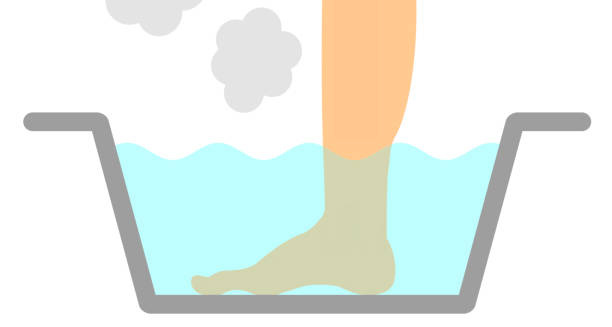
In the beginning, home treatments often work well. Soaking the foot in warm water for 15 to 20 minutes, three to four times a day, softens the skin and calms swelling. Adding Epsom salts or a mild antiseptic helps clean the area and ease pain.
After soaking, drying the foot and using an over-the-counter antibiotic cream can stop small infections from getting worse. Also, raising the foot and avoiding tight shoes or socks lowers pressure and speeds up healing.
Some people gently place sterile cotton or dental floss under the nail corner. This lifts the nail and helps it grow out instead of into the skin. But this method needs care. Placing it incorrectly or not keeping things clean can make the toe worse or cause infection. If pain increases or you see pus, redness, or a fever, it’s time to see a doctor.
When Infections Occur
Doctors may give antibiotic pills or creams if an infection sets in. These drugs kill bacteria and bring down swelling. Still, they don’t fix the real cause. That’s why doctors often use them along with other treatments for the best results.
If home care doesn’t help or the problem keeps coming back, a doctor may suggest partial nail removal. During this quick and simple procedure, the doctor numbs the toe and cuts away the piece of nail growing into the skin. This brings fast pain relief. Afterward, they clean and bandage the area and give instructions to help healing and stop infection.
Surgical Treatment of Ingrown Toenail
In some cases, doctors perform a chemical matrixectomy after removing the nail edge. They apply a chemical like phenol or sodium hydroxide to the nail root. This stops that part of the nail from growing back. It lowers the chance of having the same issue again. After the procedure, the doctor wraps the toe, and patients usually rest for a day or two. Full healing takes two to four weeks.
For serious or stubborn cases, a full nail removal might be the best choice. Doctors remove the entire nail when infections keep coming back or the nail is oddly shaped. Though it may sound extreme, this option often solves the problem for good. Sometimes, the nail grows back. Other times, it doesn’t. Some patients choose to stop regrowth entirely with a chemical treatment during the same procedure.
Bracing and Non-Surgical Options
Some podiatrists use nail braces, a method called orthonyxia. Like braces on teeth, these tools slowly straighten the nail over time. This works well for people with slightly curved nails. It relieves pressure and pain without surgery. While not common everywhere, this method is growing in popularity in parts of Europe and Asia.
Besides fixing the toenail, doctors also address what caused the issue. They may suggest wearing roomier shoes with wide toe boxes. They also teach proper nail-cutting methods. It’s important to cut nails straight across and not too short. People with flat feet or bunions might benefit from shoe inserts that help balance the foot and reduce toe pressure.
Special Care for At-Risk Patients
People with diabetes need extra care during the treatment of ingrown toenail. These patients often don’t feel pain early on due to nerve damage. Once infection starts, healing becomes slow because of poor blood flow and weak immune response. Even small procedures need a careful plan. Doctors may bring in a team of specialists to ensure proper healing and avoid major problems.
Managing Pain and Recovery
Pain relief plays a big part in treatment. Over-the-counter painkillers like paracetamol or ibuprofen often work well. If the pain is worse, doctors may give stronger medicine for a short time. Cold packs and keeping the foot raised can also bring relief in the days after a procedure.
Caring for the toe after treatment is key. Patients should keep the area clean and dry, change bandages often, and avoid putting weight on the toe for a few days. Doctors may schedule follow-ups to check healing and answer questions. Teaching patients how to care for their feet helps stop future problems.
Long-Term Outlook
To sum up, the treatment of ingrown toenail includes many options—from simple home steps to surgery. The choice depends on how bad the case is, if infection is present, and the patient’s overall health. Fixing the root causes, keeping feet clean, and wearing good shoes help prevent more trouble. With quick and proper care, most people heal well. They can walk comfortably again and feel confident about their feet.