The treatment of insect bites involves a combination of relieving symptoms, preventing infection, and addressing any complications that may arise.
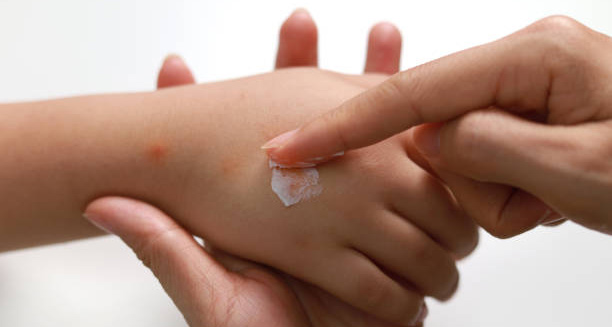
For most people, the main goal in treating insect bites is to stop itching, reduce pain, and bring down swelling. Start by cleaning the area with soap and water. Then apply soothing creams like hydrocortisone or calamine lotion. Hydrocortisone cream helps calm the redness and swelling. Calamine lotion cools the skin and eases the itch, while also helping it heal.
Oral antihistamines such as cetirizine, loratadine, or chlorphenamine can help if itching is widespread. These medicines block the chemical that causes itching. Choose non-drowsy ones like cetirizine during the day. If itching keeps you up at night, chlorphenamine may help you sleep.
Painkillers like paracetamol or ibuprofen reduce pain and bring down swelling. Ibuprofen also fights inflammation. Using a cold compress or an ice pack for 10 to 15 minutes helps too. These steps are usually enough for mild bites.
When Infection Develops After Insect Bites
Sometimes, the bite gets infected. This happens when bacteria enter broken skin—often through scratching. The area might turn red, warm, swollen, or tender. You might even see pus. If this happens, a doctor may prescribe antibiotics.
Flucloxacillin is often used for these infections. If you’re allergic to penicillin, other antibiotics like clarithromycin or erythromycin may be given. For mild cases, fusidic acid cream can help treat the skin.
To prevent infection, especially in children, try to stop scratching. Keep fingernails short and clean. In small children, covering the bite or using mittens can help. Antiseptic creams like Savlon or Betadine are also useful when the skin is broken.
The Treatment of Insect Bites That Carry Disease
The treatment of insect bites changes depending on the insect. For example, tick bites need special care. If you see a tick, remove it right away using fine-tipped tweezers. Grab it close to the skin and pull gently without twisting. Clean the area with antiseptic.
If the tick was attached for over 24 hours, or if a bullseye rash or flu-like symptoms show up, doctors may prescribe antibiotics like doxycycline to prevent Lyme disease.
Treating Allergic Reactions from Insect Bites
Insect bites can cause allergic reactions. Mild cases—such as swelling or hives—usually get better with antihistamines and creams. More serious reactions—like trouble breathing, dizziness, or nausea—need emergency care right away.
These may be signs of anaphylaxis, a life-threatening condition. People who are allergic to insect stings, like those from bees or wasps, often carry an epinephrine auto-injector like an EpiPen. They should use it immediately and seek urgent help.
For those with a history of severe stings, doctors may suggest immunotherapy. This treatment slowly exposes the body to insect venom to build up tolerance. Studies show this helps reduce future severe reactions.
The Treatment of Insect Bites in Tropical Areas
In tropical places, insect bites can spread disease. The treatment of insect bites in these regions often includes disease-specific steps.
For example, mosquitoes can spread malaria. Symptoms might appear weeks later and include fever and chills. Quick treatment with antimalarial drugs like ACT (artemisinin-based combination therapy) is important.
Other diseases like dengue, Zika, and chikungunya also spread through mosquito bites. These conditions don’t have direct cures, so doctors focus on rest, hydration, and managing symptoms.
Bites from sandflies and blackflies can lead to more serious diseases like leishmaniasis or river blindness. These require tests and treatment from specialists to prevent long-term problems.
Home Remedies and Prevention
Some people try home remedies for small bites. Aloe vera gel, tea tree oil, and oatmeal baths are popular choices. They may reduce redness and soothe the skin. But only use them on healthy, unbroken skin. If the area gets worse, stop using them. Don’t rely on home remedies for serious bites.
Prevention is one of the best treatments. Use insect repellents with DEET, picaridin, or lemon eucalyptus oil. Wear long clothes, use bed nets, and avoid being outdoors at dawn or dusk—when bugs bite the most.
If you have pets, treat them for fleas and ticks. This keeps your home safe and lowers your risk.
Summary of the Treatment of Insect Bites
In conclusion, the treatment of insect bites ranges from simple care at home to advanced medical steps. Most bites get better with creams, antihistamines, or pain relief. When complications happen—like infection, allergies, or disease—you may need more help.
Knowing what to do, and acting fast, helps you avoid serious problems. Whether at home or while traveling, the right care ensures most bites heal well and quickly.