The diagnosis of insect bites is a critical step in ensuring appropriate treatment and preventing potential complications.
Although most insect bites are small and go away on their own, some can cause serious problems. These include allergic reactions, skin infections, or diseases spread by bugs. Getting the diagnosis right not only helps ease discomfort but also protects your long-term health. Doctors usually rely on your medical history, a physical check, your recent activities, and sometimes tests or scans to make a diagnosis.
A clear medical history is the first step. Your doctor will ask when the bite started, how long symptoms have lasted, and whether they have gotten worse. They will also want to know where the bite is and what you were doing before it appeared. Questions might include: Did you travel recently? Were you outdoors? Did you spend time with pets or in wooded areas? These details help point to what kind of insect may have caused the bite.
Often, people don’t notice when they were bitten. Mosquitoes, fleas, and bedbugs can bite without being felt right away. That’s why your recent activities matter. For example, if you went camping or stayed in a new place, it might explain the bite. Living with pets, especially untreated ones, might mean flea bites. Traveling to areas where diseases like malaria or dengue are common also increases the chances of serious bites.
Physical Signs in the Diagnosis of Insect Bites
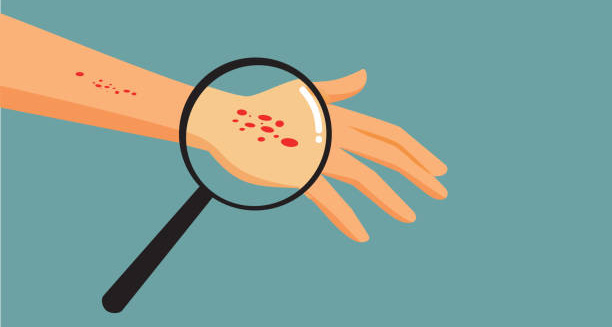
After taking your history, the doctor will examine the bite closely. The diagnosis of insect bites often depends on what the bite looks like. Each insect leaves a different mark. Mosquito bites are usually single, raised, and itchy with a tiny hole in the middle. Flea bites often appear in small groups on the ankles or legs. Bedbug bites show up in lines or clusters, mostly on arms, neck, or face.
Tick bites can be tricky. They may not hurt or itch at first, especially while the tick is still attached. Once removed, a red bump may be the only sign. If a red ring with a pale center forms around it, this may be a sign of Lyme disease. But not all tick bites show this rash. That’s why it’s important to also watch for flu-like symptoms, joint pain, or fever.
Sometimes, bites become infected. The skin may look red, feel warm, ooze pus, or be painful to touch. These signs point to skin infections like cellulitis or abscesses. Swollen lymph nodes and fever can also mean the infection is spreading. In these cases, the doctor may order treatment right away.
Lab tests can also help. A full blood count can show signs of infection. Other tests like C-reactive protein check for swelling in the body. If the bite happened in an area with mosquito-borne diseases, the doctor might test for dengue, malaria, or Zika. If Lyme disease is suspected, antibody blood tests such as enzyme immunoassay (EIA) or Western blot might confirm it.
Advanced Testing and Environmental Clues
Allergy tests may help people who often get strong reactions. A skin prick test or a special blood test can show if the person is allergic to insect venom. This is helpful when planning treatment or if someone may need an epinephrine auto-injector for emergencies. It also helps in deciding if allergy shots (desensitisation) could be useful.
In tougher cases, skin specialists (dermatologists) may be needed. Some skin problems like eczema, hives, or scabies can look like insect bites. The doctor might use a tool called a dermoscope or even do a small skin sample test to find the true cause. This step is rare but helpful if symptoms last too long or don’t respond to usual treatments.
Other times, the diagnosis of insect bites comes from checking your surroundings. If the doctor thinks fleas or bedbugs are the cause, you may need to check your home. Signs such as tiny insects, black dots (droppings), blood stains on sheets, or old insect shells can confirm their presence. Pest control experts may also help identify what’s causing the problem.
Taking pictures of the bite early on is another useful trick. If you can’t see the doctor right away, a photo helps capture how the bite looked before you scratched it or before it became infected. These images give doctors a better idea of the original appearance, making diagnosis easier during later visits.
Keeping a symptom journal can also uncover patterns. People with frequent bites can note the time of day, where they were, and how the bite felt. This helps link symptoms to certain places or times. For instance, bites that happen at night may mean bedbugs, while bites after hiking might suggest ticks or mosquitoes.
Why Early Diagnosis of Insect Bites Matters
In summary, the diagnosis of insect bites relies on history, a physical check, pattern matching, and sometimes lab work. While many bites are easy to spot and treat, others need careful investigation. Fast and accurate diagnosis helps you get the right care, avoid problems, and feel better sooner. Whether it’s a child with an itchy bump or an adult feeling sick after travel, a quick diagnosis of insect bites helps keep things under control.