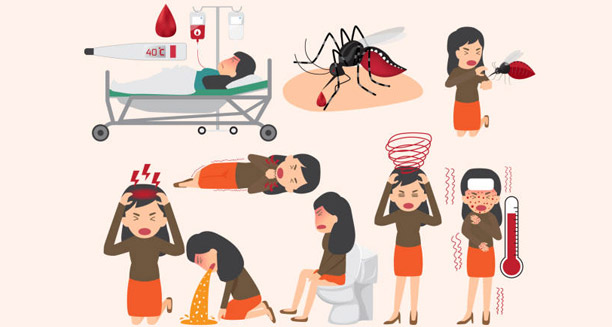
Japanese encephalitis is a serious neuroinvasive disease that can lead to a broad spectrum of complications, especially in individuals who develop severe encephalitic illness.
Although most people infected with the virus do not show symptoms, those who do often face grave outcomes. About 20–30% of symptomatic cases result in death, while 30–50% of survivors live with long-term disabilities. These statistics show just how devastating the complications of Japanese encephalitis can be for patients and healthcare systems alike.
The effects of this mosquito-borne illness do not end with the initial infection. Many survivors face ongoing issues that impact their brain, mood, and ability to function daily. In young children, these effects can slow growth, school progress, and overall well-being. Learning about these complications helps doctors, families, and health planners prepare better care and support.
Neurological Effects in the Complications of Japanese Encephalitis
The most common complications of Japanese encephalitis involve the nervous system. The virus inflames parts of the brain like the thalamus, brainstem, basal ganglia, and spinal cord. When these areas are damaged, patients can develop serious neurological problems.
Motor Problems:
Many survivors have trouble moving. They may experience:
- Partial or full paralysis
- Muscle stiffness
- Poor coordination
- Tremors or twitching
These issues can make walking or self-care difficult. Some people need physiotherapy for life or devices like crutches or wheelchairs.
Seizures and Epilepsy:
Seizures are another common issue. Patients may have:
- Localised or generalised seizures
- Long-lasting seizure episodes (status epilepticus)
Treatment includes anti-seizure medication and regular check-ups with a neurologist.
Cranial Nerve Issues:
If the virus affects cranial nerves, it can lead to:
- Facial weakness or drooping
- Vision loss or blurriness
- Speech or swallowing problems
These complications often require speech therapy or even surgery.
Cognitive and Psychological Complications of Japanese Encephalitis
Another group of complications of Japanese encephalitis involves mental functions. Damage to the brain can impair thinking and learning, especially in children.
Cognitive Challenges:
Survivors might face:
- Memory problems
- Poor focus
- Slower thinking
- Trouble with reasoning
In children, these issues often lead to poor school performance. Adults may find it hard to return to work, especially if their job involves planning or decision-making.
Emotional and Behavioural Changes:
The illness and its effects can also impact mood and behaviour. Survivors may develop:
- Depression or sadness
- Anxiety and panic attacks
- Anger or irritability
- Social withdrawal
- PTSD, especially in teens
These symptoms often need therapy, medication, or both. Support for families is also important, as caregivers can struggle to manage behavioural changes at home.
Senses, Speech, and Development in Japanese Encephalitis Survivors
Speech and Swallowing Problems:
Damage to the brain’s speech centres or throat muscles may cause:
- Trouble forming words (aphasia)
- Slurred speech (dysarthria)
- Swallowing difficulty (dysphagia)
Speech therapy helps many children and adults improve these skills. Some may need communication devices.
Hearing and Vision Loss:
A few survivors lose hearing or vision. This might be due to nerve damage or brain processing issues. They may experience:
- Partial or full hearing loss
- Blurred vision or light sensitivity
Hearing aids or glasses often help. It’s vital to test these senses during recovery, especially in school-aged children.
Fatigue and Sleep Problems:
Even after recovery, many people feel tired or struggle to sleep. This may result from:
- Ongoing brain inflammation
- Emotional stress
- Changes to sleep cycles
Managing sleep and energy levels includes lifestyle changes and, in some cases, medication.
Broader Effects and Prevention of Japanese Encephalitis Complications
Delayed Development in Children:
Young children who survive may experience delays in:
- Walking and hand control
- Talking
- Playing or interacting
- Handling emotions
They benefit from early screening and tailored care. A team of doctors, therapists, and educators can help improve outcomes.
Impact on Families and Finances:
Families often face high emotional and financial costs. Ongoing care for a disabled child or adult can lead to:
- Job loss or reduced income
- Stress and caregiver burnout
- Less family time or personal freedom
Support like financial aid, caregiver training, and respite care can ease the burden.
Risk of Death:
About one in three severe cases results in death. Death often happens within the first week due to:
- Brain swelling
- Breathing failure
- Uncontrolled seizures
- Organ shutdown
In very severe cases, palliative care can help keep the patient comfortable. Families also need support through grief and loss.
Prevention and Early Action:
Many complications of Japanese encephalitis can be reduced by:
- Early diagnosis and treatment
- Quick seizure control
- Providing breathing and nutrition support
- Starting rehab as soon as possible
Ongoing care includes regular check-ups, therapy, school or job support, and counselling.
Outlook for Survivors of Japanese Encephalitis
The complications of Japanese encephalitis are serious and long-lasting. From physical and mental issues to emotional and financial struggles, the effects can touch every part of life. But with early care and proper support, many survivors improve.
Raising awareness, boosting access to care, and strengthening public health efforts—especially in high-risk areas—can help reduce the damage this illness causes. Vaccination, mosquito control, and health education remain the most powerful tools to prevent these life-changing complications.