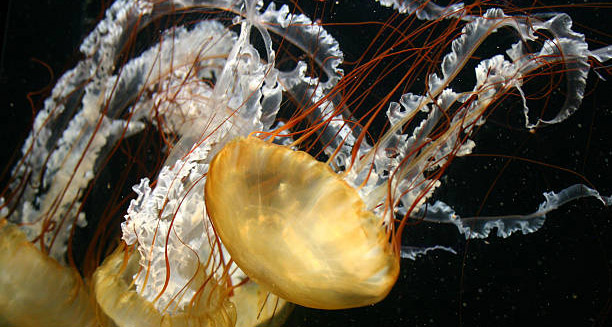
Accurate and timely diagnosis of jellyfish stings is crucial to guide appropriate treatment, especially when systemic symptoms develop or venomous species are involved. Although many mild stings resolve spontaneously, some require urgent medical care to prevent complications. Therefore, diagnosis relies on a combination of patient history, physical examination, symptom assessment, and occasionally diagnostic tests.
1. Initial Clinical Assessment
Diagnosis begins with a thorough clinical evaluation:
- History Taking:
- First, clinicians ask where and how the sting occurred (beach, reef, swimming, diving).
- Next, they determine the timing of the sting and symptom onset.
- They also inquire whether the jellyfish was seen and if there was immediate pain.
- Additionally, past allergic reactions or previous jellyfish stings are considered.
- Physical Examination:
- Then, doctors inspect the skin for linear welts, blisters, discoloration, or scabbing.
- They also assess swelling and inflammation around the site.
- Moreover, they look for retained tentacle fragments that may still be attached.
2. Identification of the Jellyfish Species
While it is not always possible, knowing the species helps anticipate clinical course and treatment:
- Patient Description or Photos: For instance, size, color, tentacle shape, and behavior may help identify the jellyfish.
- Geographical Clues:
- For example, box jellyfish are common in Northern Australia and Southeast Asia.
- Portuguese man o’ war often appear in tropical Atlantic waters.
- Irukandji jellyfish inhabit Northern Australian coasts and parts of the Indo-Pacific.
Thus, when the location is known for dangerous species, clinicians assume the worst-case scenario until proven otherwise.
3. Symptom-Based Classification
Symptoms guide severity assessment and treatment urgency:
- Local Symptoms: Typically include burning pain, redness, swelling, and blistering.
- Systemic Symptoms: Meanwhile, chest pain, breathing difficulty, muscle cramps, and altered consciousness suggest venom absorption or allergy.
- Syndrome-Specific Signs:
- For instance, Irukandji syndrome presents with severe pain 30+ minutes post-sting, hypertension, sweating, and anxiety.
- Box jellyfish (Chironex fleckeri) causes intense pain within minutes and carries a risk of cardiac arrest.
- Portuguese man o’ war causes whip-like welts often accompanied by nausea and dizziness.
4. Use of Diagnostic Tools in Severe Cases
Although diagnosis is mainly clinical, additional tests help in complicated or systemic cases:
- Vital Signs Monitoring: Blood pressure, heart rate, and respiratory rate are closely monitored, especially if shock or chest symptoms occur.
- Electrocardiogram (ECG): This helps detect venom-induced cardiac abnormalities.
- Blood Tests:
- For example, a full blood count helps check for infection or allergic response.
- Serum electrolytes, kidney function, and liver enzymes are tested if systemic involvement or prolonged symptoms are present.
- Imaging: Rarely, ultrasound or MRI may be needed for suspected internal damage or infected wounds.
5. Differential Diagnosis
Moreover, clinicians must rule out conditions mimicking jellyfish stings:
- Other marine injuries such as stingray barbs, sea urchins, cone snails, or blue-ringed octopus.
- Infections resulting from coral or shell wounds.
- Contact dermatitis or allergic reactions caused by sunscreen, plants, fabrics, insect bites, or hives.
6. Infection and Secondary Complications
Furthermore, delayed treatment or wound contamination may cause infection:
- Signs: Include pus, increased swelling, warmth, persistent pain, and fever.
- Testing: Wound cultures may be taken if infection or abscess is suspected.
- Management: Antibiotics and close follow-up ensure proper healing.
7. Special Considerations for Children and Vulnerable Groups
In addition, special care is required for:
- Children: Who may not clearly communicate symptoms and require close observation.
- Elderly and Immunocompromised: Who often experience more severe symptoms and slower healing.
- Pregnant Individuals: Who need close monitoring; although limited evidence exists for direct fetal harm, systemic symptoms warrant caution.
Conclusion
In summary, diagnosing jellyfish stings relies on detailed history, physical exam, and symptom evaluation. While most cases are straightforward, severe envenomations require rapid, informed assessment. Consequently, awareness of local jellyfish species and recognition of serious symptoms help ensure timely, effective treatment. Ultimately, early diagnosis is the first step in preventing complications and improving patient outcomes.