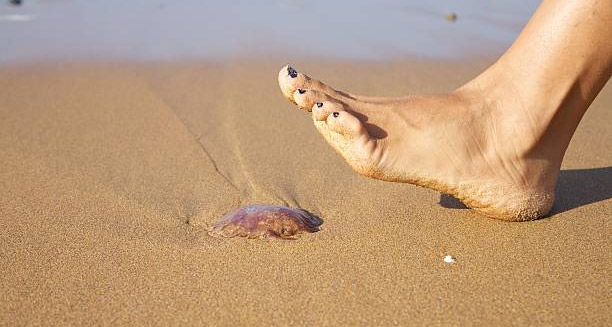
Jellyfish stings occur when the tentacles of a jellyfish make contact with human skin, releasing venom from specialised stinging cells called cnidocytes. Although these encounters may seem accidental, a combination of biological, environmental, and human-related factors contributes to the likelihood of such incidents. Therefore, understanding the root causes of jellyfish stings is crucial in developing strategies for prevention and improving safety for swimmers, divers, and coastal communities.
This section explores the biological mechanics behind the sting, the species-specific characteristics that make some jellyfish more dangerous than others, and the ecological and human behaviours that increase the risk of contact.
1. The Biological Mechanism of the Sting
At the core of every jellyfish sting lies an extraordinary biological structure known as the cnidocyte, a unique type of cell that functions as a microscopic harpoon. Each cnidocyte contains a capsule, the nematocyst, which, when triggered by contact or chemical signals, explosively releases a coiled filament capable of piercing skin and injecting venom.
- Why Jellyfish Sting
- Primarily, predation drives this mechanism: the sting allows jellyfish to capture prey such as plankton, small fish, and other marine organisms.
- Additionally, jellyfish sting as a defence mechanism: they do not actively seek out humans but will sting if disturbed or if their tentacles are inadvertently touched.
- Importantly, this process is automatic and not under conscious control. Even severed tentacles washed ashore can retain the ability to sting, which explains why individuals can be stung without seeing the jellyfish in the water.
2. Species and Toxicity
Not all jellyfish are created equal when it comes to their stinging power. Indeed, some possess venom that causes only mild irritation, while others produce neurotoxins and cardiotoxins potent enough to be lethal.
- Highly Venomous Species
- For instance, the box jellyfish (Chironex fleckeri), found in Northern Australia and Southeast Asia, can kill a human within minutes.
- Similarly, the Irukandji jellyfish is tiny but dangerous, causing a syndrome marked by excruciating pain and severe systemic symptoms.
- Furthermore, the Portuguese man o’ war (Physalia physalis), often mistaken for a jellyfish, is a siphonophore capable of inflicting painful and long-lasting stings.
- Less Harmful Species
- On the other hand, moon jellyfish (Aurelia aurita) and blue blubber jellyfish are common in many coastal waters and usually cause only mild discomfort.
- Overall, the severity of the sting depends on the species involved, the amount of venom injected, and the individual’s sensitivity to the toxins.
3. Environmental and Oceanic Conditions
Ecological and oceanographic conditions can significantly increase the presence of jellyfish near human activity zones.
- Water Temperature
- Warmer ocean temperatures accelerate jellyfish reproduction. In fact, climate change and global warming have led to more frequent and intense jellyfish blooms, where populations explode in a particular area.
- Currents and Tides
- Additionally, ocean currents and wind patterns often push jellyfish closer to shore. This explains why beaches may experience sudden increases in jellyfish numbers on certain days, even in regions where they are not usually seen.
- Overfishing and Ecosystem Imbalance
- Moreover, overfishing removes predators of jellyfish and reduces the number of fish competing for the same planktonic food sources. This imbalance creates conditions in which jellyfish populations can thrive unchecked.
4. Increased Human Interaction with Marine Environments
Another major cause of jellyfish stings is simply the rising number of people who come into contact with jellyfish habitats.
- Recreational Activities
- Swimming, snorkelling, surfing, and diving bring people into the natural environment of jellyfish.
- Similarly, wading in shallow waters or beachcombing may lead to contact with washed-up tentacles.
- Tourism Expansion
- Many popular travel destinations are located in tropical or subtropical coastal regions where jellyfish are prevalent.
- However, tourists often lack awareness of local marine hazards and may not recognise or avoid jellyfish.
- Artificial Coastal Structures
- In addition, man-made structures like jetties, seawalls, and breakwaters can create warm, stagnant water zones that attract jellyfish.
- Harbours and marinas also act as ideal breeding grounds for some species.
5. Seasonal Blooms and Reproduction Cycles
Jellyfish have complex life cycles involving both sexual and asexual reproduction. During certain months—often in summer or early autumn—jellyfish undergo seasonal blooms, releasing large numbers of medusae (the adult, stinging form) into the ocean.
- These blooms are natural and cyclical, but they can coincide with peak tourist seasons, thereby creating heightened sting risks.
- Consequently, when jellyfish congregate in large numbers, even casual swimmers are more likely to be stung simply due to the density of tentacles in the water.
6. Misidentification and Accidental Contact
Many jellyfish are transparent or faintly coloured, making them difficult to spot in the water. Others have long, drifting tentacles that may extend several metres from the body. Therefore, a swimmer may brush against a jellyfish without ever seeing it.
- Moreover, some jellyfish resemble harmless marine organisms, leading people to touch or pick them up out of curiosity.
- In other cases, individuals may encounter detached tentacles, which can still deliver venom long after separation from the jellyfish’s body.
- Children, in particular, are at higher risk due to lack of awareness and natural curiosity. Hence, educating young beachgoers about the dangers of jellyfish contact is vital.
7. Lack of Protective Measures
In many regions, people enter the sea without any form of protection. Thin swimsuits, bare skin, and uncovered feet offer no defence against stings.
- In contrast, wearing stinger suits, wetsuits, or even rash vests can dramatically reduce the chances of being stung.
- Furthermore, in areas where dangerous jellyfish are common, the absence of safety nets, warning signs, or beach closures during bloom seasons contributes directly to the number of stings.
8. Neglected First Aid Protocols
While not a direct cause, improper handling of jellyfish stings can exacerbate the effects or cause secondary injuries. Common mistakes include:
- Rubbing the affected area.
- Applying fresh water, which can trigger nematocyst discharge.
- Using folk remedies like urine or alcohol.
- Such actions may lead to more venom being injected or spread, thereby making the sting more painful or dangerous.
- Therefore, raising public awareness about what to do after a sting—such as using vinegar for certain species, avoiding rubbing, and seeking medical care when needed—can reduce complications and improve outcomes.
Conclusion
The causes of jellyfish stings are diverse, rooted in both nature and human activity. From the jellyfish’s evolutionary adaptations and reproductive cycles to environmental shifts and human encroachment on marine habitats, multiple factors increase the likelihood of stings.
By knowing which species are present, understanding when and where stings are most likely to occur, and taking practical precautions, people can significantly reduce the risk. Given that climate change and global travel continue to bring humans and jellyfish into closer proximity, education and proactive measures have never been more important.