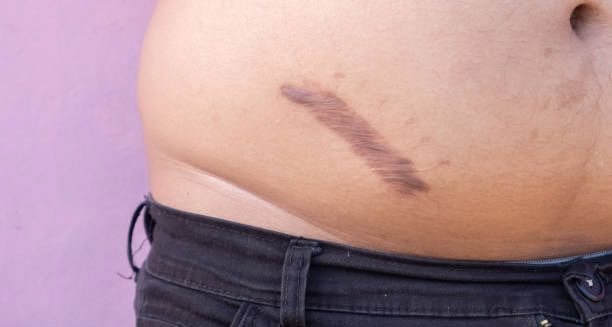
The complications of keloid scars can extend far beyond cosmetic concerns, significantly impacting an individual’s physical comfort, emotional wellbeing, and quality of life.
Keloids are not harmful in a medical sense, but they often cause real problems. The complications of keloid scars can be long-lasting and upsetting, especially when they affect movement, confidence, or come back after treatment. Since keloids do not shrink on their own and are hard to treat, knowing what problems they cause is important for full care.
Even though they are not cancer, keloids often behave in unpredictable ways. They may grow too much, cause pain or itching, and often return after treatment. These things make healing harder and leave many patients unhappy with the results.
1. Physical Discomfort and Functional Limits
One of the most common complications of keloid scars is physical discomfort. Many people feel ongoing itching, pain, or tenderness. These symptoms get worse when the keloid is in a spot that rubs against clothing or moves often.
If keloids form near joints like the elbows, knees, or shoulders, they may make it hard to move. They pull on the skin or press on tissues, causing stiffness. Larger keloids on the chest or neck can make it hard to turn the head, breathe deeply, or sleep.
Keloids on the feet or hands can cause pain while walking, using tools, or wearing shoes. These small daily problems can greatly reduce a person’s ability to function. Often, they are overlooked but still cause a major loss of comfort and freedom.
2. High Chance of Coming Back
Another major complication of keloid scars is how often they return. This can happen even after treatment seems to work. In fact, up to 70% of keloids may come back after surgery. Often, the new scar grows larger or feels worse than before.
This happens because keloids form from an extreme healing response. The body sends too many healing cells, which create thick scar tissue. Even helpful treatments—like surgery or injections—can cause new trauma and spark this response again.
As a result, patients often feel frustrated. After spending time and money on treatment, they face the same problem again, sometimes even worse. This can lead to disappointment and emotional stress.
3. Skin Color Changes and Visible Scars
Keloids often cause changes in skin color. This is more common in people with darker skin tones. The scars may look red, purple, brown, or much darker than nearby skin. Even if the keloid flattens after treatment, the color may not return to normal.
Keloids also tend to grow beyond the wound edges. This makes them more visible, especially on the face, ears, chest, or neck. Over time, the scar may become even more noticeable and change a person’s appearance.
Many patients say the look of the scar bothers them more than the pain. It affects how they feel about themselves and how they interact with others. The complications of keloid scars often go beyond the skin—they affect how people feel inside.
4. Mental and Emotional Effects of Keloid Scars
Keloid scars can deeply affect mental health, especially when they are easy to see. People may feel shy, anxious, or sad about how they look. This is especially true for teens and young adults who already feel pressure about appearance.
Studies show that large or painful keloids can lead to depression or anxiety. Some people may even develop body image disorders. In certain cultures, scars are linked with illness or shame, which can lead to stigma or isolation.
Living with keloids for years and trying many treatments can wear people down. They may lose hope or feel tired of trying. Financial costs and repeated doctor visits can also add to the mental burden.
5. Problems Caused by Treatment
Treating keloids is not always safe or simple. Many methods come with risks. These may include:
- Skin thinning after steroid shots
- Light or dark patches from laser or freezing treatments
- Skin damage from rare radiation treatments
- Infections or slow healing after surgery
Strangely, the very treatments used to fix keloids can sometimes cause them to grow again. That’s why doctors must weigh the pros and cons carefully. People with a family history or a strong tendency to form keloids need extra care when choosing treatment.
6. Slower Wound Healing
People who get keloids often heal more slowly than others. Even small injuries—like a bug bite, pimple, or vaccine shot—can take longer to go away. Worse, these small wounds may turn into new keloids.
This slow healing keeps the skin in a state of stress. It also makes surgeries riskier. Doctors must work gently and plan carefully to prevent more scarring.
To help, they might use pressure garments or silicone sheets after surgery. These steps raise the cost and difficulty of care but are needed to avoid more problems.
7. Impact on Daily and Work Life
Keloid scars often appear on parts of the body that are hard to hide. When they form on the face, hands, or neck, they can affect daily life and job options. Some people avoid social events, job interviews, or public roles.
For those with physical jobs or uniforms, like athletes or health workers, keloids may rub and hurt. This makes tasks harder and lowers work performance. In these cases, complications of keloid scars become more than a beauty issue—they affect daily life and income.
This wide effect shows why keloids must be treated as serious health issues, not just skin problems.
Final Thoughts on Complications of Keloid Scars
The complications of keloid scars go far beyond looks. They can affect how a person moves, feels, and lives. Even though they are not dangerous by themselves, keloids can cause serious problems.
The best care plan includes more than skin treatments. It should also support mental health and give clear guidance to patients. By understanding all the risks, people can make better choices about how to treat and manage their keloids.
Knowledge and awareness help reduce the pain, stress, and burden of this long-lasting condition. With the right care, people can regain control of their health, confidence, and comfort.