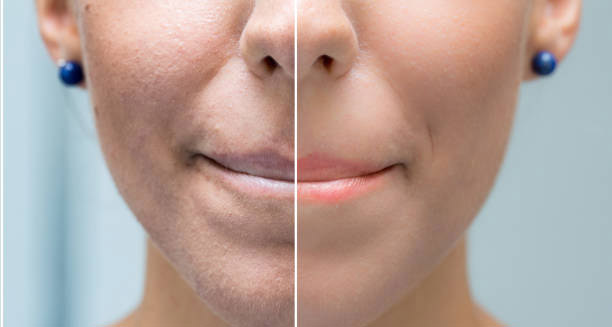
The diagnosis of keratosis pilaris is typically straightforward, relying primarily on clinical observation and patient history.
Doctors can usually recognise this condition just by looking at the skin. It shows up as small, rough bumps—often on the arms, thighs, or cheeks. These signs help confirm the diagnosis of keratosis pilaris during a simple check-up with a family doctor or skin specialist.
Usually, no tests or procedures are needed. The whole process is fast and non-invasive. However, doctors still need to make sure it isn’t another skin problem that looks similar. That way, the right treatment can be given.
Knowing how doctors make this diagnosis helps patients understand what’s happening. It also makes it easier to tell keratosis pilaris apart from more serious skin issues.
First Look and Physical Signs
The first thing a doctor does is check the skin closely. They look for:
- Small, rough bumps around hair follicles
- Bumps on the arms, thighs, buttocks, or cheeks
- Skin that feels like sandpaper
- Slight redness or darker spots
- Dryness or mild swelling
These bumps don’t usually hurt. But sometimes, people feel a bit itchy. The fact that there are no blackheads or pus-filled spots helps tell keratosis pilaris apart from acne or other skin issues.
Doctors also ask about age, family history, and other skin problems like eczema. These extra clues help confirm the diagnosis of keratosis pilaris. They also guide the best treatment.
Medical History and Symptom Details
Asking about past symptoms helps doctors make a better diagnosis. They will ask questions like:
- When did the bumps start?
- Do they get worse in winter and better in summer?
- Is there any itching or redness?
- Has anyone in the family had similar skin problems?
- What products or creams have been used?
Most people say their bumps started in childhood or teen years. This fits with how keratosis pilaris often runs in families. Many people also have dry skin, asthma, or allergies. These extra signs point to a higher chance of this condition.
If the pattern of bumps seems unusual, doctors might check for other possible causes.
Dermatoscope Check
Most of the time, a close-up tool isn’t needed. But in some cases, doctors may use a dermatoscope—a small magnifying device—to look at the bumps in more detail.
This tool can show:
- Tiny plugs in hair follicles
- Redness around the bumps
- Even patterns of the spots
This helps rule out other conditions like acne, fungal infections, or lichen spinulosus when the symptoms are not clear.
Ruling Out Other Conditions
Even though the signs of keratosis pilaris are clear in most cases, some other skin issues can look similar. That’s why it’s important to rule these out before confirming the diagnosis of keratosis pilaris.
Some look-alike conditions include:
- Acne: Comes with pimples, blackheads, and swelling
- Folliculitis: Caused by germs or fungi and is often itchy or painful
- Eczema: Very itchy and red; may ooze
- Lichen spinulosus: Rare but shows grouped spiny bumps
- Pityriasis rubra pilaris: A serious condition with wide patches and scaly skin
- Ichthyosis vulgaris: Also comes with dry, scaly skin and often appears with keratosis pilaris
Doctors may ask more questions or suggest a specialist if they are unsure.
When a Biopsy Is Needed
In rare cases, a skin biopsy may be done. This happens only when the bumps don’t go away or look unusual. A small piece of skin is taken and looked at in a lab.
Under a microscope, doctors may see:
- Thicker skin layers
- Blocked follicles
- Mild swelling around the bumps
This step is only used if there might be another serious skin problem. For most people, a biopsy is not needed to confirm the diagnosis of keratosis pilaris.
Diagnosis of Keratosis Pilaris and Genetics
This condition often runs in families. Many patients say a parent or sibling has the same skin bumps. While no special genetic test is used, knowing it’s inherited helps doctors feel more sure of the diagnosis.
In rare cases, keratosis pilaris may be part of a bigger issue like Noonan syndrome or Cushing’s syndrome. If there are other signs—like short height, hormone changes, or delays in development—then other doctors may need to help with the diagnosis.
When to See a Skin Specialist
Most regular doctors can diagnose keratosis pilaris. But sometimes, they may send a patient to a dermatologist. This happens when:
- The bumps look strange or show up in odd places
- Itching or pain won’t stop
- Over-the-counter creams don’t help
- The bumps appear suddenly in adults
- The condition causes emotional stress
A skin doctor can offer stronger treatments and help manage the condition better. They can also support people who feel embarrassed by how their skin looks.
Explaining the Condition to Patients
Once doctors make the diagnosis, they should explain the condition clearly. Patients need to know that keratosis pilaris is:
- Harmless and not catchy
- Not due to poor hygiene
- Likely to improve with good skin care
- Long-term but treatable
It’s important to set honest expectations. There is no full cure. Still, most people can make the bumps look and feel better with daily care.
Final Thoughts on Diagnosis of Keratosis Pilaris
The diagnosis of keratosis pilaris is mostly based on how the skin looks and what the patient shares. It’s not dangerous, but knowing what it is helps avoid confusion and worry.
Usually, a quick exam is enough. Extra tests are only used when something doesn’t seem right. When patients understand the process, they feel more at ease and more able to manage their skin.