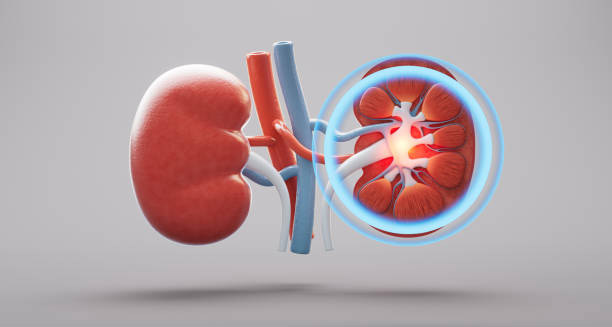
Treatment of kidney infection is essential to prevent the condition from worsening or leading to severe complications such as kidney damage, sepsis, or chronic urinary issues. Prompt and proper care not only eases symptoms but also protects long-term kidney health. A treatment plan should match the infection’s severity, the patient’s health history, and any other medical concerns to get the best results.
Most kidney infections happen when bacteria travel from the bladder up to the kidneys. These bacteria cause inflammation and infection. So, the main goal in treatment is to kill the bacteria with antibiotics, keep the patient hydrated and healthy, and stop the infection from coming back by following up or fixing any body issues.
Antibiotic Therapy for Kidney Infection
Antibiotics form the core of treatment for kidney infection. Doctors choose them based on likely bacteria or urine test results. Often, treatment starts before test results return, using broad antibiotics that fight common germs like E. coli.
For mild to moderate infections:
- Patients take oral antibiotics such as ciprofloxacin, amoxicillin-clavulanate, or trimethoprim-sulfamethoxazole.
- Treatment usually lasts 7 to 14 days, depending on how the patient responds.
- Patients must finish the full course even if they feel better early.
- When test results come back, doctors may adjust the antibiotic to better target the germ.
For severe infections:
- Patients receive antibiotics through an IV, often in the hospital.
- Common choices include ceftriaxone, gentamicin, or piperacillin-tazobactam.
- After patients stabilize, they switch to oral antibiotics to finish treatment at home.
- In cases of antibiotic resistance or allergies, specialists may guide the treatment.
Pain Management
Kidney infections often cause strong pain in the side or back. This pain can make sleeping, eating, and moving difficult. Pain relief is an important part of treatment.
Paracetamol is usually the first choice for pain. Doctors may recommend NSAIDs like ibuprofen, but only if kidney function is good. Drinking enough fluids and resting also help reduce symptoms faster. Good pain control lets patients stay comfortable while fighting the infection.
Hydration and Supportive Care
Drinking plenty of fluids helps flush bacteria out of the urinary tract and keeps blood flowing well to the kidneys. Patients should drink as much as they can unless a doctor limits fluids because of other health problems.
In hospital, doctors watch fluid and mineral levels, especially if patients vomit or become dehydrated. IV fluids may be needed when patients cannot drink enough. Proper hydration supports antibiotics and helps the body heal during treatment.
When to Admit to Hospital
Not all kidney infection cases can be treated at home. Some need hospital care, including:
- High fever or ongoing vomiting
- Signs or diagnosis of sepsis
- Pregnancy
- Old age or frailty
- Weakened immune system (like cancer or HIV)
- Urinary tract abnormalities
- No improvement with oral antibiotics
In hospital, patients get IV antibiotics, fluids, and constant monitoring. They leave when stable, fever-free, and able to take medicine by mouth.
Special Care for Pregnant Women
Pregnant women with kidney infection face higher risks like early labour, low birth weight, or pre-eclampsia. Treatment must protect both mother and baby.
Doctors often use IV antibiotics like ceftriaxone or ampicillin. They avoid drugs like tetracyclines or fluoroquinolones that can harm the fetus. Hospital stays are common, especially later in pregnancy. Careful antibiotic choice and close checks keep treatment safe and effective.
Treatment in Children
Children, especially babies and young kids, often need hospital care for kidney infections. Quick treatment helps prevent scarring and long-term harm.
Doctors may start with IV antibiotics such as cefuroxime or gentamicin. When children improve, they switch to oral antibiotics for 7 to 10 days. Follow-up scans check for reflux or urinary tract issues. Teaching parents to spot urinary infection signs helps avoid repeated infections.
Managing Recurrent Kidney Infections
Some people get kidney infections again and again. Treatment then means curing the current infection and preventing new ones.
Prevention steps include:
- Low-dose antibiotics for some patients
- Urology exams to find structural problems
- Treating diseases like diabetes
- Good hygiene and emptying the bladder after sex (for women)
- Using cranberry products or D-mannose in some cases (though studies show mixed results)
If a problem like urine flowing backward or blockage is found, surgery may be needed to stop further infections.
Follow-Up and Monitoring
After treatment, follow-up ensures the infection is gone and catches any problems early.
Doctors may repeat urine tests 1–2 weeks later to confirm bacteria are gone. Imaging scans may be needed if the infection was severe, repeats often, or unusual. Patients should report any new symptoms quickly and finish all medicine. Proper follow-up helps keep kidneys healthy.
Alternative and Supportive Treatments
Some patients try extra methods alongside antibiotics. These can include:
- Herbal teas with mild diuretic effects (like parsley or dandelion) as a support, not a replacement
- Acupuncture or probiotics to help immune health
- Stress reduction techniques
It is important these do not replace medical treatment but may help when used together.
Conclusion
Treating kidney infection needs a mix of timely antibiotics, hydration, pain control, and close monitoring. Whether at home or in hospital, the aim is to clear infection, ease symptoms, and avoid kidney damage. Special care is key for children, pregnant women, and older adults. With proper and timely treatment, most people recover well and avoid serious health problems.