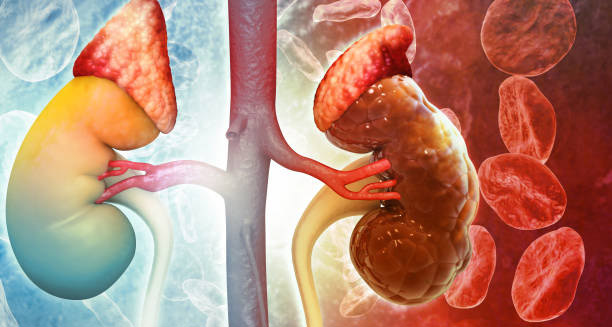
Kidney infection is usually caused by bacteria that enter the urinary tract and travel upward to infect one or both kidneys. This infection, called pyelonephritis, often starts as a lower urinary tract infection (UTI) that spreads if untreated or poorly managed. Anyone can get a kidney infection, but some risk factors and body mechanisms increase the chance of getting one.
Knowing the causes helps prevent recurrence and long-term damage. Most kidney infections are part of a broader urinary tract issue involving the bladder and urethra. Here are the main causes:
1. Bacterial Ascension from the Bladder or Urethra
Most kidney infections are caused by Escherichia coli (E. coli), bacteria commonly found in the gut. E. coli enters through the urethra and moves to the bladder. If not cleared, bacteria travel up the ureters to the kidneys.
This ascending route is more common in women because their urethra is shorter and closer to the anus. Sexual activity, poor hygiene, and irritating feminine products increase bacterial spread.
2. Urinary Tract Obstruction
Blockages in the urinary tract stop urine from draining properly. Stagnant urine encourages bacterial growth, leading to infection. Common causes include:
- Kidney stones blocking the ureters or kidneys
- Enlarged prostate pressing the urethra (common in men over 50)
- Narrowed ureters (ureteral stricture)
- Tumours or cancers blocking urine flow
These blockages create an environment where bacteria multiply and cause kidney infection.
3. Vesicoureteral Reflux (VUR)
VUR occurs when urine flows backward from the bladder to the kidneys. This backflow carries bacteria directly to the kidneys, causing infection. VUR mostly affects children, especially those with repeated UTIs, and may be present at birth or develop later.
Undiagnosed VUR raises the risk of kidney infections and scarring. Some cases improve with age, but others need surgery or long-term antibiotics.
4. Compromised Immune System
Weakened immunity increases the risk of kidney infection. A poor immune response allows bacteria to grow and makes infections harder to fight. Causes of immune suppression include:
- Diabetes mellitus, which impairs immune cells and promotes bacteria
- HIV/AIDS, which weakens the immune system
- Cancer treatments like chemotherapy or radiation
- Use of immunosuppressive drugs for organ transplants or autoimmune diseases
In these people, infections may be severe, last longer, and come back often.
5. Catheter Use and Hospitalisation
Urinary catheters drain urine in immobile, surgical, or very sick patients. If not kept sterile, catheters can introduce bacteria into the urinary tract. This may lead to bladder infections that spread to the kidneys.
Hospital-acquired infections often resist antibiotics and involve tough bacteria like Pseudomonas or drug-resistant E. coli. Strict hygiene and monitoring are vital during catheter use.
6. Pregnancy-Related Changes
Pregnancy increases risk of UTIs and kidney infections due to hormone and body changes. Progesterone relaxes ureter walls and slows urine flow, while the growing uterus presses on the urinary tract, causing urine buildup.
Also, the immune system adjusts during pregnancy to protect the fetus, reducing its ability to fight infection. Kidney infections in pregnancy can cause premature labour, low birth weight, or widespread infection. Prompt treatment is critical.
7. Poor Personal Hygiene and Sexual Activity
Wiping from back to front after bowel movements can move bacteria from the anus to the urethra, especially in women. Sexual activity can introduce bacteria into the urinary opening.
Use of diaphragms, spermicides, or some lubricants may raise infection risk. Urinating after sex and good genital hygiene help lower this risk.
8. Congenital Abnormalities
Some people are born with urinary tract issues that disrupt urine flow. These problems may remain hidden until childhood or adulthood and cause repeated infections or kidney infection symptoms.
Treatment may require surgery or long-term antibiotics to avoid kidney damage. Early diagnosis through imaging or specialist care is key.
9. Bloodborne (Haematogenous) Infection
Rarely, bacteria reach the kidneys through the bloodstream from infections elsewhere, such as skin abscesses, pneumonia, or infected IV lines.
This type often affects both kidneys and may quickly lead to sepsis. Early detection and strong antibiotic treatment are necessary.
Final Thoughts
Knowing the causes of kidney infection helps prevent this serious condition. From good hygiene to managing chronic diseases, many factors affect risk. Identifying and treating underlying causes reduces recurrence and protects kidney health.