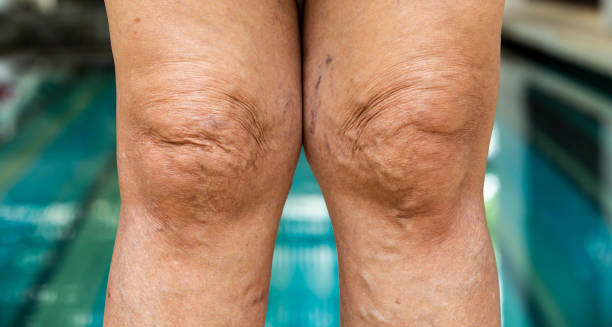
Symptoms of knock knees can vary widely depending on the age of the individual, the severity of the condition, and any underlying medical causes.
While mild knock knees in young children are usually part of normal growth, more serious or lasting cases can cause pain and movement problems. These symptoms can also limit daily activities. Knowing the symptoms of knock knees helps with early detection, proper care, and avoiding long-term joint problems.
Symptoms of knock knees in children
In children younger than seven, knock knees often occur naturally. This is part of how their bones grow and shift. The most noticeable sign is how the knees look. When a child stands straight with feet together, the knees touch, but the ankles remain apart.
This is called genu valgum. It usually fixes itself with time. These children often do not have pain or trouble moving. They can run, walk, and play just like other kids.
When knock knees don’t improve
But when the angle of the knees stays the same or becomes worse after early childhood, the symptoms of knock knees become clearer. One early sign is a strange walking style. Affected people might swing their legs outward while walking. Sometimes the knees rub together, which can feel uncomfortable or look awkward. These signs are often more obvious during sports or long walks.
Knee pain is another common symptom. This pain often appears on the inner or outer side of the knee. Because the knees are not straight, pressure shifts to one side more than the other. Over time, this uneven load causes strain. The knee may swell or feel sore. The pain often gets worse with activity.
In children, the pain might be mild and easy to miss. But teens and adults might feel stronger, long-lasting pain that disrupts their daily lives.
Knock knees may affect other body parts
In serious or untreated cases, the symptoms of knock knees may affect other parts of the lower body. The poor knee alignment changes the way the body moves. This can lead to pain in the hips, ankles, or lower back. Some people feel hip tightness or unsteady ankles. Others say their legs feel weak or give out when active.
These changes happen because the body is trying to adjust. It shifts how it moves to balance the uneven knees.
Muscle tiredness and weakness can also happen. The thigh and calf muscles must work harder to keep balance. This extra effort leads to faster tiredness. Kids may avoid playing or sports due to discomfort or being shy about how they look. Adults may feel sore after walking or standing for a long time.
More signs of knock knees in everyday life
Another clue is how shoes wear out. Knock knees make the legs turn inward. This causes the inside edges of shoes to wear down faster. This uneven shoe wear shows how the body weight is not balanced.
Even people without pain may notice this early sign. It helps spot knock knees before worse symptoms begin.
Swelling or puffiness around the knees may also be present. This happens if the joint is inflamed, especially in those with other health issues like juvenile arthritis or past injuries. Swelling may come and go. It gets worse with activity and better with rest. The knee may feel sore, warm, or look red.
Severe symptoms of knock knees
In more serious cases—especially when knock knees come from bone disease, injury, or genetic conditions—the legs may look very misaligned. Sometimes one leg is worse than the other.
This can make walking harder and raise the chance of falls. It may also wear down the joints and limit physical ability.
Social symptoms are also important, especially for teens and adults. People who have visible knock knees may feel embarrassed or have low self-esteem. They might avoid group sports or other public activities. These feelings are often overlooked but can greatly affect mental health.
Symptoms of knock knees in adults
The symptoms of knock knees in adults tend to be more serious than in kids. Adults may get knock knees from arthritis, past injury, or another health problem. These cases may include stiff joints, less ability to move, grinding sounds in the knees, and worsening movement over time.
Some adults find it hard to squat, kneel, or rise from a chair without pain.
Adults who had knock knees as children may notice their symptoms worsen over the years. This can happen due to joint wear and tear. Without treatment, the joints can slowly break down. This may lead to cartilage loss and the need for joint replacement later in life.
Early care helps manage symptoms of knock knees
In short, the symptoms of knock knees can range from mild changes in walking to serious pain, weak muscles, and joint damage. Younger children may just have a cosmetic issue. Older people may struggle with pain and movement.
Spotting the symptoms of knock knees early—especially when they last beyond the normal age for correction or appear in adulthood—is key. A healthcare check-up can help find the cause and start treatment. This prevents long-term issues and helps people stay active and healthy.

