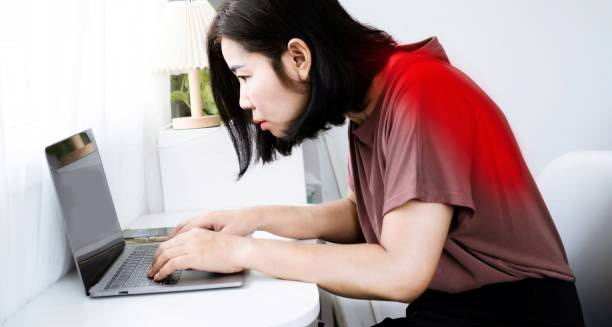
Understanding the causes of kyphosis is essential for accurate diagnosis and effective treatment planning. The causes of kyphosis vary depending on when it starts, a person’s health, and daily habits. Some people are born with spinal problems, while others develop them later. Poor posture, injuries, or age-related changes often play a role. Since kyphosis is a symptom rather than a single disease, its causes need to be looked at from both a medical and mechanical angle.
A common cause is postural kyphosis, especially in teens and young adults. It usually results from poor posture or slouching. This type is flexible, meaning the back curve improves when the person stands up straight. It does not involve structural damage to the spine. In today’s digital world, longer screen time and more sitting have made postural kyphosis more common, particularly among students and office workers.
A more serious form is Scheuermann’s kyphosis, which usually begins during teenage years. This condition comes from wedge-shaped bones in the spine. Unlike postural kyphosis, it causes a rigid curve that does not go away with better posture. Experts think Scheuermann’s disease may be caused by genetic or growth problems. It affects more males than females and often causes back pain.
Congenital kyphosis is another cause. This form develops before birth when the spine does not form or connect properly. The result is a stiff and increasing curve that gets worse as the child grows. Without treatment, it may press on the spinal cord and cause nerve problems. Surgery is often needed, and early detection helps with better planning.
Structural and Medical Causes of Kyphosis
Degenerative changes are another major factor, especially in older adults. As people age, bones and discs in the spine break down. This leads to degenerative kyphosis, often seen with osteoarthritis or disc thinning. These changes make the spine lean forward. Weakened ligaments and stiff joints make the problem worse.
Osteoporosis can also cause osteoporotic kyphosis. In this case, the spine weakens and collapses due to tiny fractures. These vertebrae turn wedge-shaped and create the hunched appearance. It often goes unnoticed until someone has back pain, shrinks in height, or the curve becomes obvious.
Injuries can cause post-traumatic kyphosis. Accidents, falls, or sports injuries may fracture the spine. When these fractures heal poorly, they lead to a bent or curved back. Some cases also include nerve damage. Surgery may be needed if the curve is severe or causes other problems.
Infections, such as spinal tuberculosis (Pott’s disease), can damage spinal bones and discs. This causes the spine to collapse, leading to kyphosis. It mostly affects people in developing areas or with weak immune systems. Quick treatment with antibiotics and sometimes surgery is important to stop the curve from worsening.
Spinal Tumours
Spinal tumours, either cancerous or not, can also lead to kyphosis. Tumours may press on the spine, weaken the bones, or cause the spine to collapse. In such cases, treating both the tumour and the spinal curve is necessary.
Neuromuscular diseases like cerebral palsy, muscular dystrophy, and spinal muscular atrophy also contribute. These conditions weaken the muscles that support the spine. Over time, this leads to poor posture and spinal deformities. Treatment may include braces, therapy, or surgery.
Sometimes, kyphosis results from medical treatments. For example, past spine surgery, radiation therapy, or poor surgical techniques can cause the spine to curve. These are called iatrogenic causes. They often need revision surgery.
Lifestyle habits also play a role in the causes of kyphosis. Lack of exercise, poor sitting posture, and being overweight weaken the muscles that hold the spine upright. Over time, these habits encourage a curved back. Simple steps like moving more, sitting properly, and strengthening the back can help.
In summary, the causes of kyphosis include many factors such as age, genetics, bone strength, posture, injuries, and other health conditions. Knowing the cause helps doctors create a better treatment plan. Acting early can stop the curve from getting worse and protect spinal health.