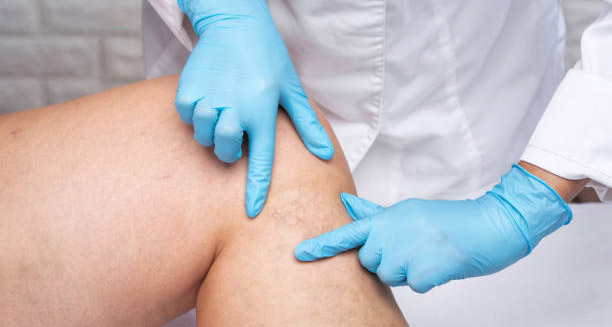
Diagnosis of leg ulcer involves a comprehensive evaluation of the wound, the patient’s medical history, and underlying vascular and systemic conditions.
Accurate and early diagnosis of leg ulcer helps guide the best treatment and lowers the chance of complications. These ulcers are not a condition on their own. Instead, they result from deeper issues like poor blood flow, diabetes, or constant pressure. So, the diagnostic steps must be careful and detailed.
The first step in the diagnosis of leg ulcer includes taking a full medical history. The healthcare provider asks how long the ulcer has been present, if similar problems occurred before, and whether there are symptoms like pain or swelling. They also check for medical issues like diabetes, heart problems, vein disease, or poor artery function. Lifestyle habits—such as smoking, daily activity, or type of job—also matter. Even past injuries, surgeries, or use of compression stockings can play a role.
Next comes a physical check of the ulcer. The doctor examines its size, depth, location, and shape. Venous ulcers are often found near the inner ankle. These are usually shallow, wet, and have uneven edges. The nearby skin may look darker or dry. Arterial ulcers, on the other hand, are deeper, smaller, and have clear borders. They tend to appear on toes, heels, or the outer foot. Diabetic ulcers are often found on the soles. These may not hurt due to nerve damage.
Blood Flow Tests in Diagnosis of Leg Ulcer
Checking the blood flow in the legs is a key part of the diagnosis of leg ulcer. Doctors often use an Ankle-Brachial Pressure Index (ABPI) test. This test compares the blood pressure in the ankle and the arm. A normal result ranges from 0.9 to 1.3. If it’s under 0.9, it may point to poor blood flow. If it’s above 1.3, the arteries might be stiff, often because of diabetes or kidney problems. This test is very important before starting compression therapy. Using compression when blood flow is poor can be dangerous.
In some cases, more blood flow tests are needed. Doppler ultrasound is a common test that shows how blood moves in the veins and arteries. It helps spot problems like blocked vessels or weak valves. If major artery problems are likely, doctors may order more detailed scans like duplex ultrasound, CT angiography, or MRA.
If the ulcer is slow to heal, doctors might take a swab for a wound culture. This test checks if bacteria are causing an infection. While some bacteria on the surface are normal, certain harmful types like Staphylococcus aureus or Pseudomonas aeruginosa can affect treatment. Sometimes, a deep tissue sample is needed to find out if the deeper parts are infected.
Nerve and Skin Checks in Diagnosis of Leg Ulcer
In people with diabetes, nerve checks are very important in the diagnosis of leg ulcer. Simple tests like a monofilament, a tuning fork, or nerve tests can show if feeling is lost in the feet or legs. Losing this sense raises the risk of getting ulcers and having them come back.
Sometimes, when an ulcer won’t heal after many weeks, doctors do a skin biopsy. This helps rule out skin cancer or rare skin diseases. Long-term ulcers can sometimes turn into a type of skin cancer called Marjolin’s ulcer. Other possible causes include skin infections, vasculitis, or a condition called pyoderma gangrenosum.
Doctors may also order blood tests. These check for anaemia, infection, diabetes, or problems with the kidneys or liver. Tests like CRP and ESR show if there’s inflammation. If autoimmune disease is suspected, special tests like ANA or ANCA may be needed.
The skin and surrounding limb also give helpful clues during the diagnosis of leg ulcer. Doctors look at skin temperature, colour, hair growth, and toenails. Swelling, hard skin, or bulging veins may point to vein problems.
Team Approach and Education in Diagnosis of Leg Ulcer
In complex cases, a team of specialists may be needed. This could include vein surgeons, skin doctors, diabetes experts, foot doctors, and wound care nurses. This team approach is useful for patients with mixed ulcers—those caused by both poor arteries and veins—or in those with diabetes.
Teaching patients about their condition is also important. Clear and simple explanations of the diagnosis of leg ulcer help patients follow treatment plans. Patients learn to watch for danger signs like more pain, redness, bad smell, or fever—signs that may mean infection.
Good record-keeping is another important part of diagnosis. Doctors use standard wound charts and take pictures to track healing. This helps them see if the treatment is working or needs to change. In cases that involve legal issues, insurance, or disability, good notes help support decisions.
Final Notes on Diagnosis of Leg Ulcer
In the end, diagnosis of leg ulcer needs many steps. These include taking a health history, checking the wound, doing blood flow and nerve tests, and sometimes using scans or biopsies. Getting the diagnosis right helps doctors treat the ulcer well and avoid further problems. Because leg ulcers can become serious, diagnosing them early is one of the most important parts of good care.