Symptoms of leprosy can vary significantly based on the type of infection and the individual’s immune response, but certain patterns are common and often help in recognising this chronic infectious disease.
Symptoms of leprosy usually appear slowly. In fact, it can take years after the first exposure to the germ Mycobacterium leprae for symptoms to show. Because of this delay, early signs often go unnoticed. That’s one reason why many cases remain undiagnosed in the beginning. Also, since symptoms of leprosy can look like other skin or nerve conditions, early diagnosis is difficult. This makes treatment harder and increases the risk of long-term harm.
Doctors often group the symptoms of leprosy into two main types: skin problems and nerve problems. These symptoms can show up on their own or together. How severe they are depends on the kind of leprosy—whether it is tuberculoid, lepromatous, borderline, or indeterminate.
Skin Symptoms Linked to Symptoms of Leprosy
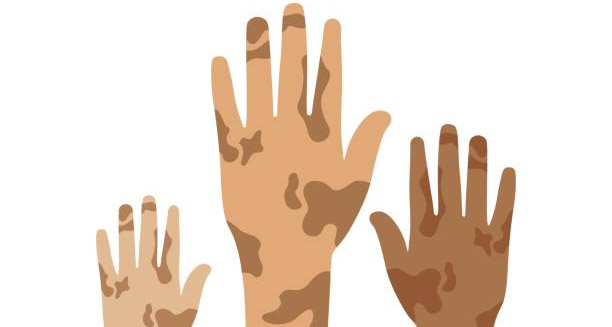
One of the most common symptoms of leprosy is patches on the skin. These patches may look flat and lighter than the skin around them. In some cases, they may look red or copper-coloured. These spots usually feel numb and don’t sweat. That’s because the sweat glands in those areas stop working. This loss of feeling is a key sign of the disease.
Some people may also find small lumps or bumps under their skin. If left untreated, these may grow and change the skin’s shape. In more serious cases like lepromatous leprosy, skin changes can cover large parts of the body. The face, ears, and arms may look thick or lumpy. These changes once led to the strong stigma linked to the disease.
Dry and rough skin is another sign, especially in areas where nerves have been harmed. When the nerves that control sweating and skin moisture stop working, the skin can dry out, crack, and become open to infection. These changes make the skin more fragile.
Nerve Damage in Symptoms of Leprosy
One of the clearest signs of leprosy is nerve damage. The germs often attack nerves near the surface of the skin, such as those in the hands, feet, and face. As this happens, people slowly lose feeling. That means they may not notice small cuts or burns, which then become long-lasting wounds or ulcers.
In the early stages, people may feel tingling, burning, or numbness in affected areas. Later, they may lose muscle strength. Weakness or even paralysis may develop, especially in the hands and feet. In some cases, the hands may curl into a “claw” shape, or the feet may lose the ability to lift, known as foot drop. These changes happen when muscles shrink after nerve damage.
If the disease affects the nerves in the face, people may lose the ability to blink. This puts the eyes at risk and may lead to ulcers or even blindness. Sometimes, damaged nerves become thick enough to feel under the skin, especially near the elbows and knees.
Systemic Effects and Emotional Impact
Although leprosy mostly affects the skin and nerves, it can sometimes harm other parts of the body. For example, people with lepromatous leprosy may get stuffy or bloody noses. This happens when the lining of the nose becomes inflamed. Over time, this can lead to a runny nose or even loss of the middle part of the nose.
The symptoms of leprosy don’t just affect the body. Many people feel deep emotional stress due to fear and stigma. They may face rejection, feel anxious, or become depressed. In many places, the public still does not understand the disease, and this misunderstanding adds to the suffering.
Some people with leprosy also have strong immune reactions called “reactions.” These may show up suddenly and require fast medical care. Type 1 reactions cause skin and nerve swelling. Type 2 reactions, like erythema nodosum leprosum (ENL), bring painful red lumps, fever, and other symptoms. Without quick treatment, these can cause serious and lasting damage.
Symptoms of Leprosy in Children and Early Clues
Symptoms of leprosy in children are usually less severe but still very important to catch early. Children may show just one or a few skin spots, which can be confused with conditions like ringworm or eczema. However, children’s nerves can get damaged quickly. That’s why fast diagnosis is vital. If treatment starts late, children may face lifelong issues with movement and hand use.
Doctors need to act fast when they see signs in children. Early care can prevent serious problems and allow the child to grow and develop more normally.
Telling Symptoms of Leprosy Apart from Other Conditions
Sometimes, symptoms of leprosy look like other skin or nerve diseases. These include psoriasis, eczema, diabetic nerve damage, or vitiligo. But one thing makes leprosy different—skin spots that have no feeling. This clue helps doctors tell leprosy apart from other skin problems.
Also, the mix of skin spots and nerve damage is rare in other conditions. This makes the presence of both signs an important red flag during diagnosis.
Importance of Early Recognition of Symptoms of Leprosy
Noticing the first signs of leprosy early can prevent serious harm. When left untreated, the disease can cause long-term disability. Since leprosy spreads through close contact, especially in crowded or dirty places, catching it early also helps protect others. Treating one person can stop the spread to many.
Teaching the public to recognise symptoms of leprosy is key. Awareness efforts help people feel less fear and encourage them to seek help when they see changes in their skin or nerves.