Complications of leukaemia can significantly affect the quality of life, response to treatment, and overall prognosis for individuals diagnosed with this complex group of blood cancers.
The disease harms the body’s ability to make and use healthy blood cells. Because of this, many problems come from both the illness itself and the treatments used, like chemotherapy or radiation. These treatments, along with the weakened immune system, increase the risk of infections and organ problems. So, it’s very important to understand all the possible issues that can happen. This helps patients and their care teams manage the disease better and lower the risks.
Infections: A Serious Threat
One of the most common and dangerous complications of leukaemia is infection. The disease affects how white blood cells are made and how they work. As a result, the immune system becomes weak and struggles to protect the body. This makes infections more likely and more severe. These infections can come from bacteria, viruses, or fungi. Sometimes, they become life-threatening.
People who are getting chemotherapy or have had a bone marrow transplant are at an even higher risk. Their immune system is already low, so they must be extra careful. Infections may show up in strange ways or get worse quickly. That’s why quick treatment is often needed, including hospital care.
Bleeding and Anaemia
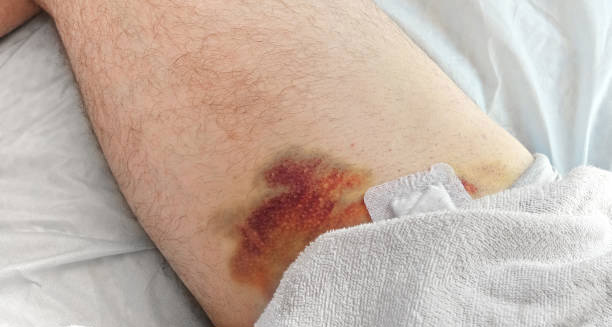
Another common issue is bleeding or easy bruising. This happens when the body doesn’t make enough platelets. Platelets help the blood to clot, so without enough, even small injuries can cause serious bleeding. Nosebleeds, gum bleeding, or dark bruises for no reason may appear early. In very bad cases, bleeding inside the brain or stomach may happen. Doctors often give platelet transfusions and monitor levels closely to prevent this.
Anaemia is also a big concern. The bone marrow may stop making enough red blood cells, which carry oxygen. This can lead to feeling tired all the time, trouble breathing, pale skin, and dizziness. Some people need regular blood transfusions to feel well. Their treatment plan may also change to help manage this problem better.
Organ and Nerve Problems in Complications of Leukaemia
In more serious cases, the disease can damage organs. The liver, spleen, and lymph nodes might get larger due to the build-up of leukaemia cells. This can cause stomach pain or make a person feel full quickly. In types like chronic lymphocytic leukaemia (CLL), swelling in these organs may get so bad that they stop working properly.
Kidney and heart problems can also appear. Sometimes the cancer causes this, and other times it’s because of side effects from strong drugs. Regular scans and blood tests help catch these problems early.
Nervous system problems can develop too, especially if the cancer spreads to the brain or spinal cord. People might have headaches, confusion, blurry vision, or even seizures. In children, this is more common. Doctors often treat it with special chemotherapy given directly to the spine. But this treatment can also affect learning or development, especially if given during important growth stages.
Treatment Side Effects and Emotional Strain
Some people with leukaemia need a stem cell or bone marrow transplant. A serious problem that can happen after this is graft-versus-host disease (GVHD). In GVHD, the new cells from the donor attack the patient’s body. This can cause rashes, stomach problems, liver damage, and a weak immune system. It can be mild or very dangerous. To treat it, doctors often use drugs that lower the immune system, which brings its own risks.
Living with leukaemia brings a heavy emotional load. The stress of facing a life-threatening illness, ongoing hospital visits, and tough treatments can lead to anxiety or depression. Some people may even develop post-traumatic stress. These mental health struggles can make it hard to follow treatment plans. That’s why support through therapy or counselling is so important in long-term care.
Long-Term Complications of Leukaemia
Another risk that may appear much later is getting a second type of cancer. Strong treatments like chemotherapy or radiation can harm healthy cells and increase the chance of other cancers. This may include skin cancer, breast cancer, or even another form of leukaemia.
Fertility problems can happen too, especially in younger patients. These treatments may hurt the organs that control reproduction. Some people may become infertile for a short time or even forever. Hormones that control things like the thyroid or adrenal glands might also get out of balance. In those cases, hormone testing and treatment might be needed.
Over time, some patients find that their treatment stops working. The cancer cells change and no longer respond to drugs that once helped. When this happens, doctors may try new approaches. These include targeted therapies, immunotherapy, or joining clinical trials for new treatments.
Challenges for Children and Families
In children, the complications of leukaemia can affect growth and learning. Brain treatments, missed school, and being away from friends can slow down development. Care teams often include teachers and therapists who help children stay on track and recover better.
Families also face financial and social problems. The cost of treatment, travel, time off work, and caregiving can be a big burden. Some people struggle to get the latest treatment or support services due to where they live, money issues, or lack of insurance.
Managing Complications of Leukaemia for Better Outcomes
In the end, the complications of leukaemia reach far beyond the disease itself. They include many physical, emotional, and social problems. To treat these well, patients need a team of specialists who look at the whole picture.
Preventing and handling these problems means staying alert, using helpful therapies, and focusing on the person as a whole. Whether it’s stopping infections, protecting the organs, or offering emotional help, dealing with the complications of leukaemia plays a key role in helping people live better and longer lives.