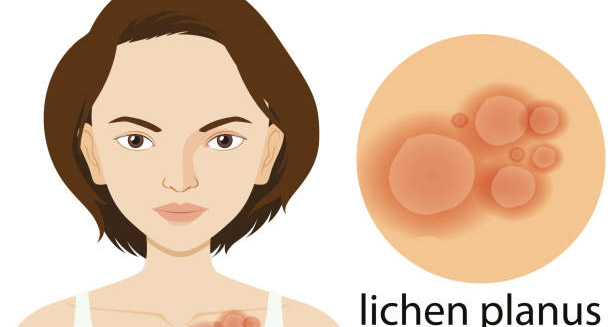
Complications of lichen planus can vary depending on the type, how long it goes untreated, and which body parts are affected.
Common Skin and Oral Issues
Complications of lichen planus often happen when the condition is chronic or does not respond well to treatment. Many cases get better on their own or with simple care, but some people face long-term problems. These may impact their quality of life, physical health, or mental well-being. Skin damage, scarring, infection, and even cancer risk are among the possible issues.
One common complication is post-inflammatory hyperpigmentation, especially in people with darker skin. After the rash clears, the skin may stay darker for months or years. While this is not medically harmful, it can upset patients and might need cosmetic treatment. Persistent itching can also cause scratching, which can break the skin and lead to bacterial infections.
In oral lichen planus, the problems can be more serious. Long-lasting inflammation inside the mouth can cause painful sores, ulcers, and trouble with eating or speaking. Some people feel burning or sensitivity to spicy or acidic foods. Rarely, the erosive type of oral lichen planus may increase the risk of oral cancer. Because of this, regular checkups with dental or skin specialists are important.
Scarring, Nail, and Psychological Effects
Scarring is another concern, especially in certain types. Lichen planopilaris affects the scalp and can cause permanent hair loss. Once hair follicles are damaged by inflammation, they cannot grow back, leaving smooth bald patches. Vulvovaginal lichen planus may cause tissue shrinking, fusion, and changes that can make sex or urination painful.
Nail problems may include nail loss, deformities, or skin sticking to the nail bed (pterygium). These issues affect both fingernails and toenails and often cannot be reversed. Nail damage not only affects appearance but can also make daily tasks harder.
Mental health effects should not be overlooked. The long-lasting nature of the disease, visible patches, pain, and scars can lower self-esteem and cause anxiety or depression. For some, emotional distress may be worse than physical symptoms. Support, reassurance, and mental health referrals are important for good care.
Treatment Side Effects and Rare Complications
Some treatments can cause side effects. Long-term use of corticosteroids may thin the skin, cause bruises, slow healing, or increase infection risk. Immunosuppressants or retinoids might cause liver issues, stomach problems, or mood changes. Close medical supervision is essential during treatment.
Lichen planus pigmentosus, more common in darker-skinned people, can leave uneven, dark patches, especially on sun-exposed areas. These patches may be slow to fade and cause social distress. Laser or chemical treatments might help but are not always effective and can sometimes worsen pigmentation.
In erosive mucosal types, scarring can narrow passages like the oesophagus, vagina, or urethra. This may require surgery to restore function. Though rare, these cases show why early diagnosis and monitoring matter.
Ocular lichen planus is very rare but serious. It can affect the eye lining, causing dryness, irritation, or even vision damage.
Social and Occupational Impact
Visible lesions on the face or hands may cause social withdrawal or discrimination, especially at work. Stigma related to skin diseases can hurt job chances, relationships, and well-being.
In conclusion, complications of lichen planus include physical, emotional, and social challenges. They range from lasting skin changes and hair loss to functional problems and a higher cancer risk in some types. Timely care, regular checkups, and a team approach to treatment can prevent or manage many issues. Patients should keep open communication with healthcare providers to catch problems early and reduce long-term risks.