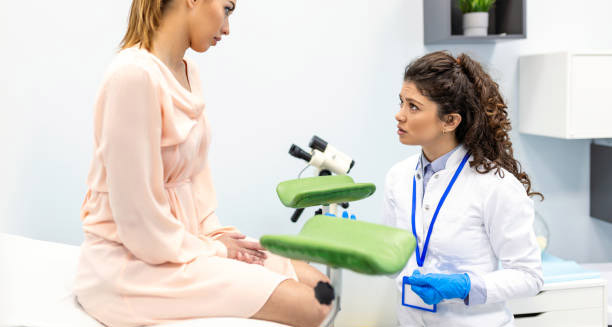
Diagnosis of Lichen Sclerosus is a vital step in ensuring timely and effective treatment for this chronic inflammatory skin condition.
Because its symptoms can look like other skin problems, getting the right diagnosis of Lichen Sclerosus is very important. A wrong diagnosis may delay proper care and increase the risk of long-term damage. The process includes a full medical check-up, a look into your health history, a close-up skin exam, and sometimes, a biopsy or referral to a specialist. Knowing this process helps both doctors and patients understand the condition better.
Lichen Sclerosus mainly affects the genital and anal areas, but it can also show up elsewhere. It often causes white, thin, wrinkled, or shiny patches on the skin. These patches may itch, burn, or hurt. In women, these signs can be mistaken for eczema, psoriasis, or infections. This makes diagnosis of Lichen Sclerosus harder. Men and children can also show symptoms that look like other skin issues, so careful checking is needed.
Medical History and Physical Examination
The first step in diagnosing Lichen Sclerosus is asking about your health history. The doctor will want to know when symptoms started, how they’ve changed, what treatments you’ve tried, and if there’s a family history of immune system issues. They may also ask about things like hormone changes or past injuries to the skin. This background helps doctors rule out other causes and spot clues pointing to Lichen Sclerosus. If you have ongoing itching, pain during sex, or problems urinating, it may be a clear sign.
Next comes the physical exam. Doctors will look closely at the skin in the affected areas. Experienced doctors often spot the signs right away. Classic signs include white, smooth patches or plaques, sometimes with cracks, bruises, or scars. In women, the vulva may look smaller or changed. In men, the foreskin and penis tip are often affected. Around the anus, the skin may look pale, thick, or cracked. These signs, along with your history, often give enough information to make a diagnosis of Lichen Sclerosus.
Biopsy, Imaging, and Other Tests
If things aren’t clear, or if the skin looks unusual, the doctor may suggest a skin biopsy. A small piece of skin is removed with numbing cream or a local shot. Then, a pathologist checks it under a microscope. Key findings include thin top layers of skin, groups of immune cells, and changes to the deeper skin layers. A biopsy helps confirm the diagnosis and rules out serious issues like early skin cancer. It’s often used if the skin doesn’t heal or if standard treatment fails.
Some skin doctors also use dermatoscopy. This is a tool that shows the skin in more detail. It can help spot changes in blood vessels or skin layers. While not needed in every case, dermatoscopy can help tell Lichen Sclerosus apart from other skin issues. It also helps doctors check if treatment is working over time.
Other Diagnostic Considerations and Special Cases
Doctors may also check for links to other health problems. Since Lichen Sclerosus sometimes appears with autoimmune diseases, patients might get blood tests to check for thyroid issues, type 1 diabetes, or vitiligo. These tests don’t confirm Lichen Sclerosus, but they help doctors understand the bigger picture and plan better treatment.
When diagnosing children, extra care is needed. The symptoms can look like infections or even signs of abuse, especially in the genital area. A gentle and expert check by a child skin doctor is important. Doctors should explain the harmless nature of the disease to the parents and guide them clearly through the treatment.
Once the diagnosis of Lichen Sclerosus is confirmed, follow-up visits are key. These help track how the condition is changing and whether treatment is working. Ongoing checks also let doctors catch any early signs of serious problems, like skin cancer. This long-term part of diagnosis helps patients stay safe and healthy over time.
Final Thoughts on Diagnosis of Lichen Sclerosus
To sum up, the diagnosis of Lichen Sclerosus involves more than just looking at the skin. It requires a full check-up, careful history-taking, and sometimes extra tests like biopsies or imaging. Because it looks like many other skin problems, getting help from a skilled doctor is important. A fast and correct diagnosis not only leads to better treatment but also prevents scarring, skin changes, and rare but serious issues like cancer. When doctors and patients understand the condition better, they can start treatment sooner and live more comfortably.