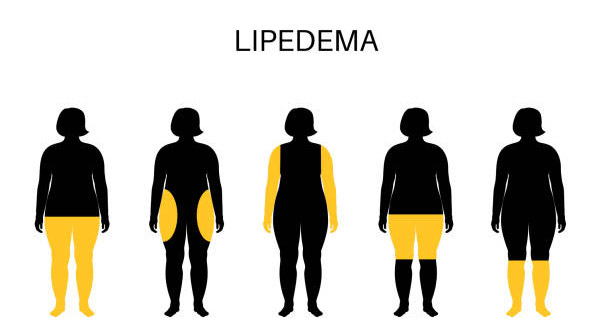
Symptoms of Lipoedema typically develop gradually and are often misunderstood or misdiagnosed due to their resemblance to other conditions, such as obesity or lymphoedema.
Symptoms of lipoedema mainly involve uneven fat build-up in the lower body, especially around the hips, thighs, buttocks, and sometimes the arms. This condition almost always affects women. It often gets worse during hormonal changes like puberty, pregnancy, or menopause. Since it can look like regular weight gain, many people—and even doctors—underestimate the signs. This often leads to late diagnosis and missed treatment.
Recognising Physical Signs and Pain
One of the clearest symptoms of lipoedema is swelling in both legs that happens in a matching pattern. This fat build-up creates a column-like or “tree-trunk” shape. A sharp line at the ankles usually separates the swollen area from the unaffected feet. That ankle line helps tell lipoedema apart from general weight gain or swelling caused by other issues.
The fat feels soft and doughy in early stages. In later stages, it becomes lumpy or nodular. Many people also feel pain and tenderness in these areas. Unlike regular fat, lipoedema fat often hurts, even with light touch. People may feel aching or heaviness, especially after standing or walking. This pain doesn’t always match the amount of swelling seen.
Easy Bruising and Impact on Daily Life
People with lipoedema often bruise easily. The tiny blood vessels in the fat are fragile. Even a slight bump may cause a visible bruise. These frequent bruises may confuse or worry patients, especially when they don’t remember getting injured. This can lead to emotional stress or embarrassment.
Over time, the added fat and weight in the legs can make it hard to move. Walking may become tiring. Climbing stairs or keeping balance can also be a struggle. In severe cases, joints like the knees and hips take on extra stress. This raises the risk of arthritis and changes in walking posture. These problems may even lead to more frequent falls.
Appearance and Emotional Impact
Many women with lipoedema notice their body shape becoming pear-like, with a smaller upper body and much larger lower body. This difference in size can make shopping for clothes frustrating. Wearing clothes that fit both top and bottom properly becomes difficult. These visual changes often affect self-esteem.
The pain, reduced movement, and body shape changes can lead to emotional issues. Many women experience low mood, anxiety, or depression. Feeling misunderstood or judged adds to the stress. People often feel blamed for their condition, especially if they’ve been told to just lose weight—something that doesn’t work for lipoedema.
Swelling, Progression, and Misunderstanding
Swelling is another major symptom of lipoedema, but it’s different from swelling caused by fluid. In lipoedema, the swelling comes from fat build-up. Still, in advanced stages, fluid-related swelling may also develop. This combination, called lipolymphoedema, makes the legs even larger and harder to treat. It can lead to thicker skin, higher risk of infection, and more severe symptoms.
Sometimes, symptoms of lipoedema also appear in the arms. Just like in the legs, the fat gathers in a matching pattern but doesn’t affect the hands. Pain, bruising, and tenderness may also appear in these areas. This pattern helps doctors tell lipoedema apart from other illnesses.
Diet and exercise often help people feel better overall. However, in lipoedema, the fat in the affected areas usually doesn’t go away. This can make patients feel frustrated or hopeless—especially when they try hard to lose weight but see no change. Some may even delay seeking care because they think they’re not trying hard enough.
Hormonal Flares and Long-Term Effects
The emotional side of symptoms of lipoedema can be intense. Constant pain, body changes, and social pressure often lead people to feel isolated. Many patients say their symptoms are brushed off by healthcare providers. This feeling of being ignored causes deep emotional harm and delays proper care.
For many, symptoms change with the seasons or life events. Hormonal shifts, hot weather, or being inactive for long periods can make everything feel worse. This up-and-down pattern makes it harder to plan life. People may cancel events or avoid travel due to flare-ups, affecting work and social life.
In later stages, the fatty areas may become hard. This is known as fibrosis. The once-soft tissue becomes tough and responds poorly to treatments like compression therapy. When this happens, new problems may develop, including vein issues. These can cause leg cramps, skin colour changes, and even more fatigue.
Understanding the Full Picture
To sum up, symptoms of lipoedema are more than just cosmetic. They include long-lasting pain, extreme sensitivity, easy bruising, trouble moving, and deep emotional strain. Spotting these signs early is key. The sooner people get the right diagnosis, the better their chances of managing symptoms well.
By spreading awareness and learning how lipoedema works, more people can get the help they need. That means less pain, fewer delays in treatment, and better lives for those affected.