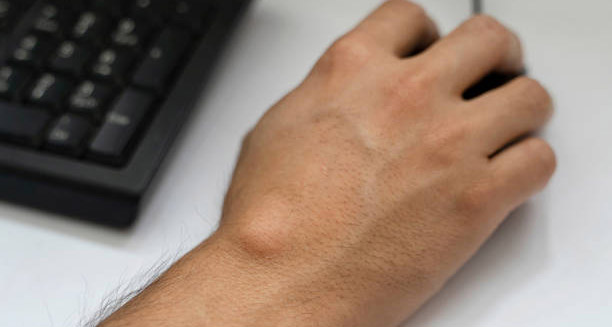
Symptoms of lipoma can vary depending on the size, location, and type of lipoma present. However, most individuals who develop these benign fatty tumours experience a consistent set of physical signs. Understanding the symptoms of lipoma is essential for early detection, especially in cases where the mass begins to grow or causes discomfort. While lipomas are generally harmless, their presence can sometimes mimic other conditions, making accurate recognition an important step toward appropriate management.
A lipoma is a soft, rubbery lump that forms just beneath the skin. It contains mature fat cells inside a thin, fibrous covering. Most lipomas grow slowly and do not hurt. This makes many people ignore them or mistake them for other lumps such as cysts or fibromas. One key symptom of lipoma is its soft, dough-like feel. The lump often moves easily under the skin when pressed gently.
Most lipomas are small and less than 5 centimetres wide. Some, however, can grow larger with time. A bigger lump becomes easier to see, especially if it appears on the arms, neck, shoulders, back, or thighs. People often notice a lipoma by accident while showering, getting dressed, or during a check-up. A lump that stays the same size and shape over time is a common sign of lipoma.
Pain and Discomfort in Symptoms of Lipoma
In most cases, lipomas do not cause pain. Still, they can feel tender if they press on nearby nerves. They can also ache if they contain blood vessels or muscle fibres. This type, called an angiolipoma, is more likely to hurt. Painful lipomas are rare, but when they happen, people often seek medical help sooner.
The depth of the lump also changes how symptoms appear. Most lipomas are right under the skin, called subcutaneous. Some grow deeper into muscles or tissues. These deeper lipomas are harder to see. People may not notice them until they affect movement or press on internal areas. When this happens, they may feel full in that spot, find movement harder, or have odd aches in the area.
Appearance also matters. Many people worry about visible lumps, especially on the face, neck, or scalp. Having more than one lump can cause stress or self-consciousness. In rare cases, a person may have familial multiple lipomatosis. This inherited condition causes many lipomas to appear over the body, often starting earlier in life and running in families.
Changes and Warning Signs in Symptoms of Lipoma
Some people see changes in the size of a lipoma, often with weight gain or hormone shifts. The lump itself is not affected by body weight, but the tissue around it can change how large it looks. Keeping track of changes is important for spotting problems early.
Although lipomas are harmless, they can look like liposarcomas. These rare cancers also grow from fat cells. Warning signs include fast growth, an uneven shape, or a hard texture. These do not always mean cancer, but they do need quick medical checks. If a lump becomes fixed in place, grows quickly, or bleeds, it is important to see a doctor.
Sometimes, a lipoma can affect daily life. If it grows near a joint or muscle, it may make movement harder. It can also cause pressure when lying down or discomfort during certain tasks. While not dangerous, these issues can lower quality of life, especially if the lump is in a spot that rubs against clothing or objects.
Skin and General Health with Symptoms of Lipoma
Skin changes from lipomas are rare. Still, they can happen if the lump rubs against clothes or gets pressed often. The skin might turn red, get irritated, or, in very old cases, develop a small sore. These signs are not common but can appear if the lipoma is ignored for a long time.
Lipomas do not cause other body symptoms. They do not bring fever, tiredness, weight loss, or other signs of illness unless something else is wrong. This lack of whole-body symptoms helps tell them apart from more serious conditions.
In short, symptoms of lipoma usually involve a soft, painless lump under the skin. Most cases do not need urgent care. But watching for changes in size, feel, or discomfort is wise. Knowing the signs helps people tell lipomas from more serious lumps. For those worried about looks or movement problems, treatments like surgery or liposuction can be discussed with a doctor.