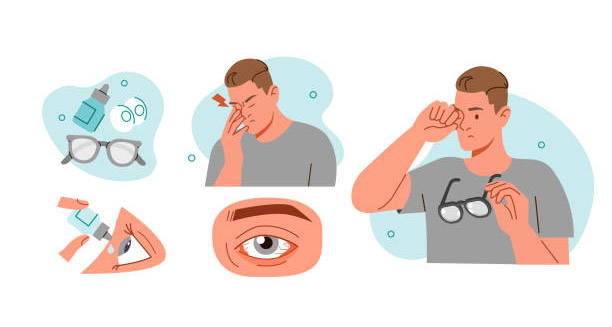
The complications of long-sightedness, or hyperopia, can differ greatly based on how severe the condition is, the person’s age, and whether corrective measures are used. While many people with mild hyperopia experience little or no problems, uncorrected or severe long-sightedness can cause significant functional issues. These complications are especially concerning for children, as their visual development is still ongoing and vulnerable.
Recognizing the potential complications of long-sightedness is key for early treatment. These issues can range from visual discomfort and academic struggles to serious long-term problems like amblyopia (lazy eye) and strabismus (crossed eyes). Untreated hyperopia can affect a person’s quality of life, school performance, and emotional health.
1. Amblyopia (Lazy Eye)
Amblyopia is one of the most serious complications, especially in children. It occurs when one eye becomes weaker due to underuse. In kids with moderate to severe hyperopia, the brain may rely more on one eye, ignoring the other. Over time, the neglected eye doesn’t develop properly, causing poor vision that glasses alone can’t fix.
Key signs of amblyopia:
- Reduced vision in one eye
- Poor depth perception
- Often noticed during childhood eye exams
- May be linked with strabismus
If left untreated, amblyopia can become permanent. However, early treatment using glasses, patching therapy, or vision exercises can help improve the situation.
2. Strabismus (Eye Turn or Crossed Eyes)
Strabismus happens when the eyes do not align properly, often because the extra effort required to focus with uncorrected hyperopia can cause one eye to turn. This may happen as:
- Esotropia: when the eye turns inward
- Exotropia: when the eye occasionally turns outward
This misalignment:
- Disrupts binocular vision
- Affects depth perception
- Can cause double vision
- May lead to emotional or social difficulties, especially in children
In most cases, glasses to correct hyperopia will fix the eye turn. In more severe cases, surgery or therapy may be needed.
3. Visual Fatigue and Eye Strain
A common complication of long-sightedness is asthenopia, or eye strain. People with hyperopia often struggle to focus on nearby objects, which leads to:
- Blurred vision during close tasks
- Headaches, especially after reading or screen use
- Burning or sore eyes
- Trouble concentrating
These symptoms might be dismissed as fatigue, especially if distance vision remains clear. However, they are clear signs that vision correction is needed. In today’s digital world, prolonged close-up work can make these issues worse.
4. Delayed Reading and Learning Difficulties
Uncorrected hyperopia in children often leads to academic problems, especially in reading, writing, and maintaining visual attention. Children may:
- Avoid reading or close tasks
- Read slower than peers
- Frequently lose their place while reading
- Show signs of frustration or inattention
This can be mistaken for behavioral problems or learning disorders like ADHD. A comprehensive eye exam should be part of the evaluation if a child struggles in school, as correcting hyperopia can often fix the issue.
5. Difficulty with Fine Motor Skills
Vision is crucial for hand-eye coordination, and children with untreated hyperopia may have trouble developing fine motor skills. These difficulties can affect:
- Drawing
- Writing
- Catching or throwing objects
- Playing certain sports or games
These struggles can lower self-esteem and participation in both physical and academic activities. Early identification and treatment, such as corrective lenses or therapy, are crucial for improvement.
6. Increased Risk of Falls in Older Adults
In older adults, especially those with presbyopia or balance problems, uncorrected hyperopia can increase the risk of falls or accidents. Poor near vision makes it hard to:
- See steps clearly
- Read medication labels
- Perform everyday tasks safely
If combined with depth perception issues, this can lead to injury. Properly fitted multifocal or progressive lenses help maintain safety and independence.
7. Refractive Accommodative Esotropia
This is a type of strabismus seen in young children with uncorrected hyperopia. As the child tries to focus, their eyes may turn inward. If not treated, it can:
- Become permanent
- Lead to amblyopia
- Require surgery
If caught early, wearing the right prescription glasses can usually resolve this condition.
8. Psychosocial Impact
Vision problems can affect a child’s confidence, social interactions, and emotional well-being. Kids may feel self-conscious about wearing glasses or face bullying. Adults with untreated hyperopia may avoid certain tasks. Common effects include:
- Social withdrawal
- Anxiety about schoolwork
- Reduced quality of life
- Poor job performance
Correcting the condition, creating supportive environments, and normalizing eyewear use can help reduce these psychosocial impacts.
9. Increased Dependency on Corrective Devices
Over time, people with uncorrected hyperopia may become more dependent on glasses or contact lenses, especially as presbyopia sets in. This can limit visual flexibility and spontaneity. Without proper management, people may:
- Experience ongoing discomfort
- Constantly update prescriptions
- Struggle during times when corrective aids aren’t available
Planning for long-term eye care, including potential surgery, can help manage these changes.
10. Missed Diagnosis or Misattribution
An overlooked complication of long-sightedness is that it often goes undiagnosed or is misunderstood. Since distance vision is usually unaffected, people may not realize they have an issue. This can delay treatment and worsen problems like amblyopia, headaches, or eye misalignment.
Reasons for missed diagnoses include:
- Children not knowing their vision is abnormal
- Adults thinking symptoms are due to stress or tiredness
- Lack of regular eye exams
Routine eye exams, particularly for children starting school and adults over 40, are key for early detection.
Summary
The complications of long-sightedness go far beyond just blurry near vision. Left untreated, hyperopia can affect every part of life—eye development in children, school performance, and safety in older adults. With timely diagnosis and proper treatment, such as glasses, contact lenses, therapy, or surgery, these complications are preventable.
Proactive eye care is not just about seeing clearly; it’s about living confidently and fully. Whether you’re managing your child’s eye health or planning for your own long-term vision care, addressing hyperopia early on can prevent many problems later in life.

