Treatment of long-sightedness, or hyperopia, focuses on improving near vision by correcting how light enters and focuses inside the eye. In individuals with this condition, light rays focus behind the retina instead of directly on it, causing close objects to appear blurry. While mild cases may not cause much trouble, more severe hyperopia usually needs clinical intervention. The treatment chosen depends on factors such as age, the severity of hyperopia, and lifestyle needs.
There are several treatment options available for long-sightedness, including glasses, contact lenses, laser eye surgery, and vision therapy. Each method works to help focus light properly onto the retina for clearer vision. Early treatment, especially in children, is important to avoid complications like amblyopia (lazy eye) and eye misalignment (strabismus).
Glasses – The First Line of Correction
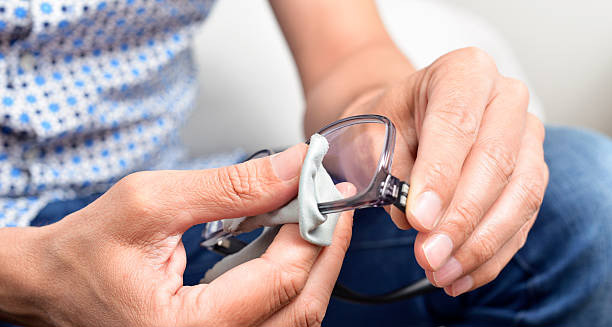
Prescription glasses are the most common and easy way to correct hyperopia. They use convex (plus-powered) lenses to help the eye focus light properly on the retina.
Advantages:
- Immediate improvement in vision
- Non-invasive and easy solution
- Adjustable for changing prescriptions
- Affordable and widely available
Children with moderate to severe hyperopia are often prescribed glasses to support their visual development. Adults may only need glasses for reading or screen work, or they might need them full-time, depending on the severity of hyperopia. Older adults may need progressive lenses or bifocals if they also have presbyopia.
Contact Lenses – Enhanced Visual Field and Aesthetics
Contact lenses are a good alternative for people who are active or prefer not to wear glasses. They also use convex curvature to refocus light but sit directly on the cornea. This provides a more natural field of vision and eliminates peripheral distortion.
Options include:
- Daily disposables (for hygiene and convenience)
- Monthly lenses
- Toric lenses (if astigmatism is present)
- Multifocal lenses (for older adults needing both near and far correction)
Contact lenses are cosmetically appealing but require proper hygiene. Poor handling can lead to eye infections, dryness, or other complications.
Laser Eye Surgery – Permanent Correction
For adults over 18 with a stable prescription, laser surgery can provide a long-lasting solution. These procedures reshape the cornea to improve its ability to focus light properly.
Common surgical options include:
- LASIK (Laser-Assisted In Situ Keratomileusis): A flap is created in the cornea, and the underlying tissue is reshaped with a laser.
- PRK (Photorefractive Keratectomy): The outer layer of the cornea is removed and reshaped without creating a flap.
- LASEK (Laser-Assisted Sub-Epithelial Keratectomy): Similar to PRK but retains the outer epithelial layer.
For individuals with severe hyperopia or age-related lens issues, Refractive Lens Exchange (RLE) may be recommended. This procedure replaces the natural lens with an artificial intraocular lens, similar to cataract surgery.
Benefits of laser surgery:
- Freedom from glasses or contact lenses
- Quick visual recovery
- High satisfaction rates
Laser surgery isn’t for everyone. Preoperative assessments ensure the cornea is thick enough, the prescription is treatable, and no underlying eye conditions exist.
Vision Therapy – A Supportive Approach
Vision therapy can be helpful for individuals, especially children, with focusing issues or binocular vision problems. This therapy includes exercises to improve eye coordination, strengthen eye muscles, and train the brain to work better with both eyes.
Therapy can help:
- Reduce eye strain
- Improve focus flexibility
- Address issues like convergence insufficiency or lazy eye
While it’s not a replacement for glasses, vision therapy can support children or adults dealing with discomfort from latent hyperopia.
Progressive and Multifocal Lenses
As adults age, presbyopia—a natural reduction in near vision—can occur alongside hyperopia. In such cases, multifocal or progressive lenses are a great way to correct both issues.
Key features:
- No need for multiple pairs of glasses
- Seamless transition between near and far vision
- Available in both glasses and contact lens formats
It may take some time to adjust to progressive lenses, but most users find them comfortable and functional for daily activities.
Low Vision Aids – For Severe or Combined Conditions
In rare cases, severe hyperopia combined with other eye conditions (such as macular degeneration or optic nerve damage) may require low vision aids. These include magnifiers, large-print screens, and electronic readers.
While not common for just hyperopia, these aids can improve quality of life when regular lenses or surgery aren’t enough.
Lifestyle Adjustments and Preventive Habits
While lifestyle changes can’t cure hyperopia, good visual habits can prevent the condition from worsening and improve eye comfort.
Helpful practices include:
- Taking breaks from screen time
- Following the 20-20-20 rule (look at something 20 feet away for 20 seconds every 20 minutes)
- Ensuring proper lighting while reading or working
- Scheduling regular eye exams, especially for children and older adults
These habits reduce strain on eye muscles, which is particularly helpful for latent hyperopia where the eyes overcompensate.
Paediatric Considerations
In children, treating long-sightedness is especially important. Uncorrected hyperopia can lead to:
- Amblyopia (lazy eye)
- Strabismus (crossed eyes)
- Learning difficulties in school
- Delayed visual development
Most children outgrow mild hyperopia, but moderate to severe cases should be monitored closely. Children often need full-time glasses and follow-ups every 6–12 months to adjust prescriptions and check for eye alignment.
Monitoring and Follow-Up
Regardless of the treatment, regular eye exams are essential to:
- Track vision changes
- Update prescriptions
- Monitor overall eye health
- Prevent complications like amblyopia or convergence problems
Adults typically need an eye test every two years, while children and individuals with high prescriptions or other visual issues should have annual assessments.
In Summary
The treatment of long-sightedness offers several effective options—from basic glasses to advanced surgical and therapeutic treatments. Early detection and tailored care help individuals achieve clear, comfortable vision and prevent complications from uncorrected hyperopia. Whether through glasses, contacts, or surgery, the key is timely diagnosis and consistent eye care.